Do All Cemeteries in Utah Allow Bronze Markers?
flat markers have a long tradition in American cemetery culture — they're common in veterans' sections, mausoleums, and many public cemeteries. But not every Utah cemetery allows them, and those that do often have specific requirements about size, installation method, and backing material. Here's what to know before ordering.
Why Families Choose Bronze Markers
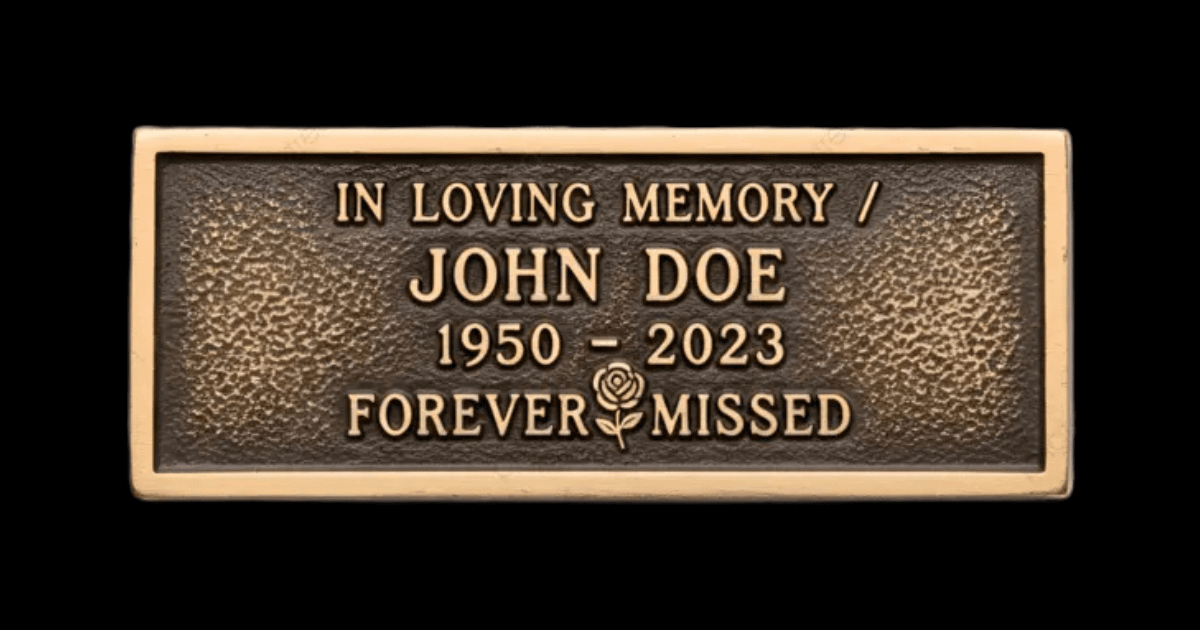
markers appeal for several reasons. They have a formal, timeless appearance with raised lettering and artwork that stone can't replicate. They sit flush with the ground, which many families prefer for maintenance simplicity. And their traditional association with military and civic memorial culture makes them a natural choice for veteran burials.
flat markers are also often used in mausoleum settings where a wall-mounted or niche-front marker is more appropriate than a freestanding stone. Their durability and classic patina hold up well in both indoor and outdoor settings.
- Raised lettering and cast artwork have a distinct dimensional appearance
- Flush with the ground for easy lawn maintenance
- Traditional choice for veteran burials and military sections
- Suitable for mausoleum crypts and columbarium niches
- Develops a natural patina that many families find classically attractive
Cemetery Policies: What to Expect
Most public Utah cemeteries permit markers in at least some sections, but policies vary significantly. Municipal cemeteries may allow markers in flat-marker sections while prohibiting them in sections designated for upright stones. Private memorial parks sometimes restrict markers to a specific approved vendor list.
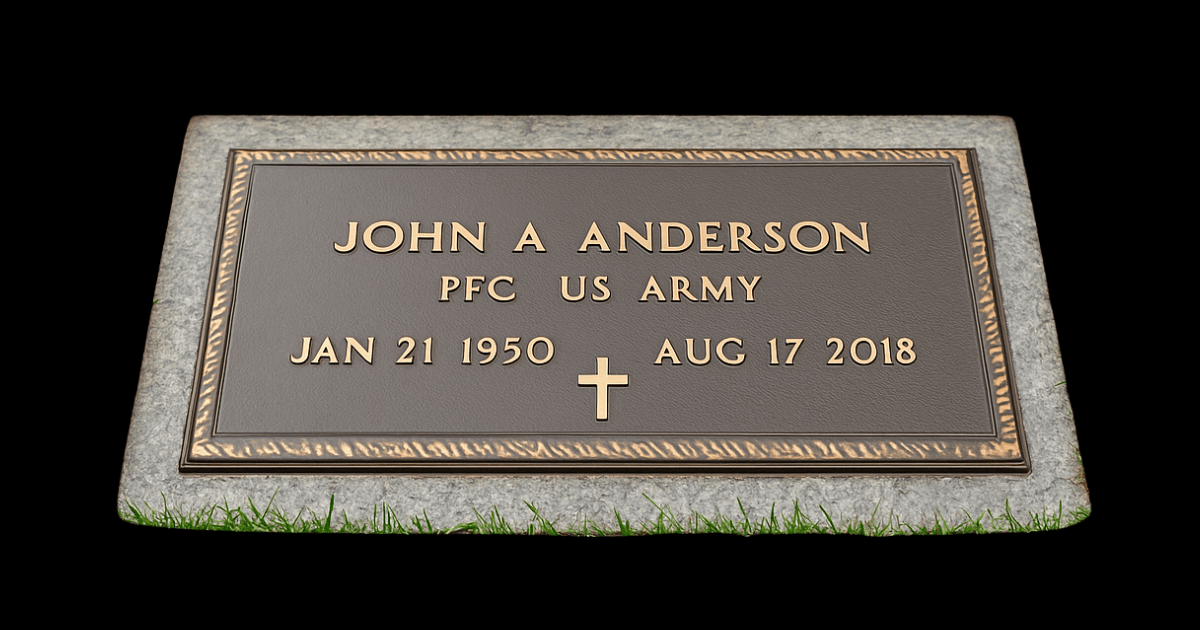
Veterans' sections in Utah cemeteries almost universally permit or require VA-standard flat markers, which have been a standard part of the VA burial benefits program for decades. If you're ordering for a veteran's burial, ask specifically about the VA marker coordination process.
- Most public Utah cemeteries permit markers in designated flat-marker sections
- Private memorial parks may restrict to approved vendor lists — confirm before ordering
- Veterans' sections nearly always permit VA-standard flat markers
- Some cemeteries require a or concrete backing for markers — confirm installation requirements
- markers must typically be pre-approved before installation, like any monument
Exceptions and Considerations
Religious cemeteries sometimes restrict markers to a specific style or material consistent with their tradition — a Catholic cemetery might require a cross to appear on every marker; some LDS-managed cemeteries have historically preferred upright monuments for uniformity. These policies vary by congregation and specific cemetery management.
Richfield Monuments can produce custom markers and coordinates installation with the cemetery on your behalf. We verify current policies for every cemetery before any order is finalized and flag any concerns well before production begins.
- Religious cemeteries may require markers to reflect the associated faith tradition
- LDS-managed cemeteries in Utah vary — check with the specific cemetery management
- markers require a or concrete backing for stable installation in most applications
- Richfield Monuments verifies cemetery policies for every order before finalizing