The Meaning Behind Custom Headstone Symbols and Designs
When walking through a cemetery, you may notice that many headstones feature more than names and dates. Some include flowers, trees, birds, religious imagery, or other decorative elements carved into the stone.
While these designs can make a memorial more personal, many also have historical meanings that families may not be aware of.
For centuries, people have used symbols on gravestones to express ideas about remembrance, faith, family, and the lives of those who have passed away. Some designs have traditional meanings, while others are chosen simply because they represent something important to a particular person.
Understanding the history behind common headstone symbols can help families select artwork that reflects their loved one's personality, beliefs, or interests.
The History of Headstone Symbols
Before photographs and detailed engravings became common on memorials, symbols were an important way to communicate information about the person buried beneath a gravestone.
In older cemeteries, certain carvings represented religious beliefs, mortality, or hopes about life after death. Other symbols reflected a person's occupation, family relationships, or membership in an organization.
As monument-making techniques developed, headstone designs became more detailed and personalized.
Today, families can choose from traditional symbols, custom artwork, landscapes, religious imagery, and many other decorative options.
Although some symbols have widely recognized historical associations, their meaning is not always universal. The same image may represent different things depending on the family's beliefs, cultural traditions, and personal experiences.
Here are several common headstone symbols and the meanings often associated with them.
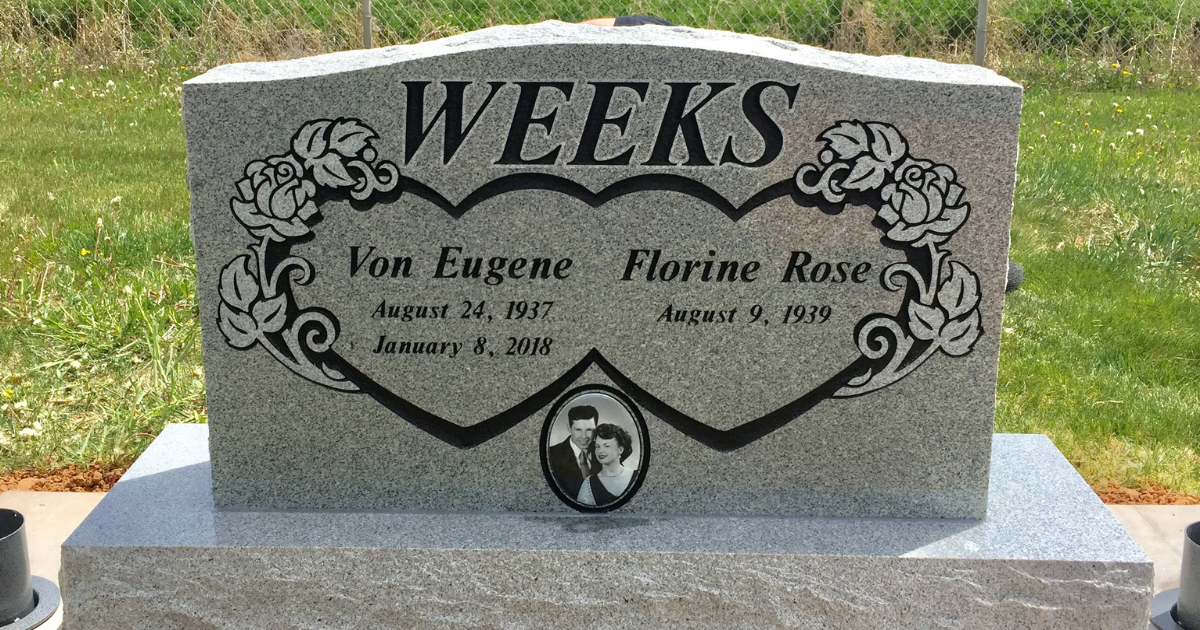
Roses: Love and Remembrance
Roses are among the most recognizable floral designs found on headstones.
Historically, roses have been associated with love, beauty, and the temporary nature of life. Their appearance on memorials often represents affection and the lasting significance of a personal relationship.
Different rose designs can also carry different interpretations.
For example, a fully opened rose has sometimes been used to represent a life that reached maturity, while a rosebud has traditionally been associated with youth.
However, these interpretations are not strict rules. Many families choose roses simply because they were a loved one's favorite flower.
Rose engravings can be incorporated into several types of granite memorials.
A single rose may appear near a name or inscription, while a larger arrangement can frame the lettering on an upright headstone.
Some memorials feature roses carved into the corners, creating a decorative border without overwhelming the central information.
The amount of detail possible depends on the engraving technique, granite color, and available space.
Doves: Faith, Hope, and Remembrance
Doves have appeared in religious artwork and memorial designs for generations.
In Christian traditions, the dove is often associated with the Holy Spirit. It can also symbolize hope, innocence, or the soul.
On headstones, doves may be depicted flying, resting on a branch, or carrying an olive branch.
A dove carrying an olive branch has historical connections to the biblical story of Noah and is often associated with reconciliation and hope.
For some families, the image holds a specific religious meaning. Others appreciate its gentle appearance and connection to remembrance.
Dove engravings are often combined with crosses, flowers, clouds, or short inscriptions.
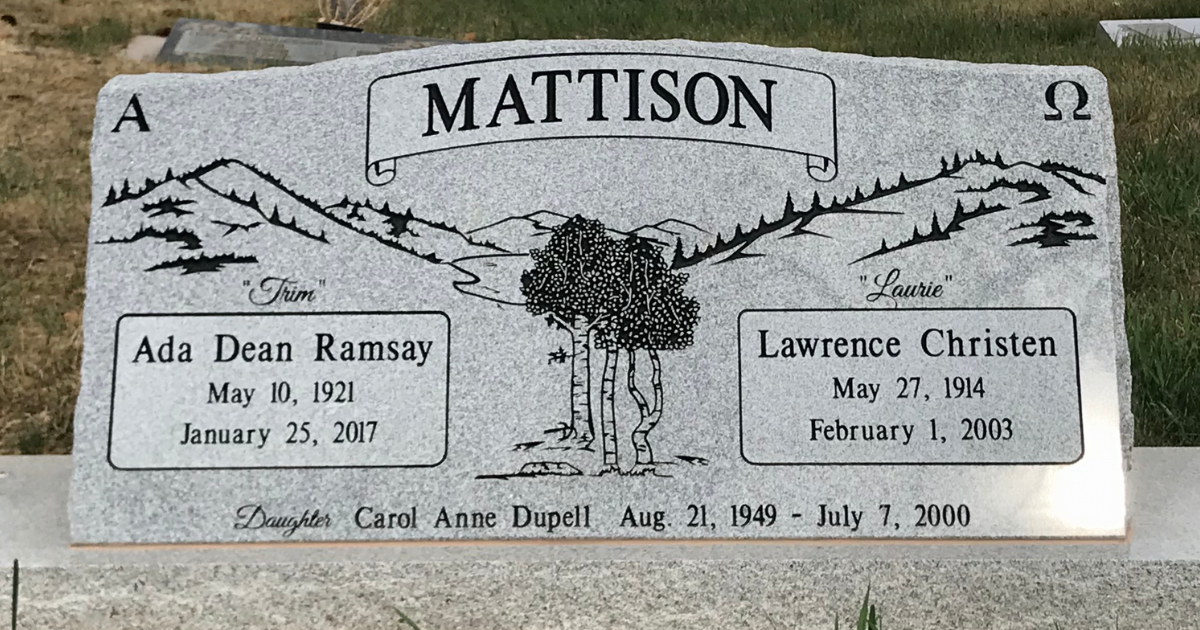
Trees: Family, Endurance, and the Passage of Time
Trees have been used as symbols in many cultures throughout history.
Because trees grow, change with the seasons, and can live for generations, they are often associated with family connections, endurance, and the passage of time.
Different types of trees may communicate different ideas.
Oak trees are commonly associated with strength, endurance, and longevity.
Their sturdy trunks and broad branches make them a recognizable symbol of resilience.
An oak tree may be a meaningful choice for someone remembered for their determination, leadership, or strong family connections.
Weeping willow trees are especially common in historic cemetery artwork.
During the late eighteenth and nineteenth centuries, willow imagery became a popular symbol of mourning in American memorial art.
The tree's long, drooping branches created a visual expression of grief and remembrance.
Today, willow designs are still found on older gravestones and may also inspire modern memorial artwork.
A family tree design can represent connections between generations.
Some larger memorials incorporate trees, branches, or leaves to symbolize a shared family history.
This type of artwork may be especially appropriate for family monuments intended to recognize multiple relatives.
Hands: Companionship, Farewell, and Spiritual Hope
Carved hands are another interesting feature found on historic gravestones.
Depending on how they are positioned, hands can carry several traditional meanings.
Two hands joined together are often interpreted as symbols of marriage, companionship, or farewell.
In some nineteenth-century gravestone traditions, clasped hands represented the relationship between the deceased and loved ones who remained.
They could also suggest the hope of being reunited.
A hand pointing upward has historically been associated with heaven or spiritual hope.
A downward-pointing hand can have different religious interpretations depending on the design and context.
Because hand symbols can be interpreted in several ways, it is important not to assume that every historic carving has one fixed meaning.
Modern families may choose hand imagery for its personal significance rather than its traditional symbolism.
Angels in Memorial Design
Angel imagery is common in Christian cemetery art.
Angels are often depicted with wings, flowing clothing, or hands folded in prayer.
In religious traditions, angels may represent heavenly messengers, spiritual protection, or the relationship between earthly life and the divine.
Some memorials feature an angel standing beside a cross, while others include an angel carved into the top of an upright monument.
The design may be simple or highly detailed.
Larger angel sculptures generally require different materials, fabrication techniques, and cemetery considerations than smaller engraved images.
Families interested in angel imagery should consider how the artwork will fit the size and style of the memorial.
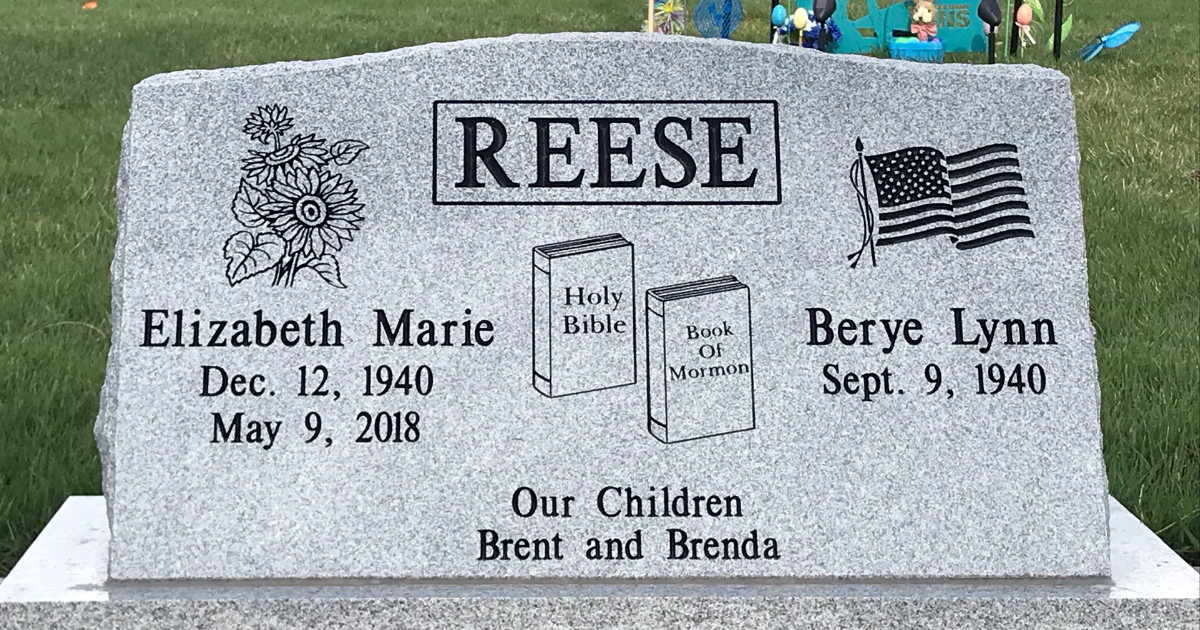
Books: Faith, Knowledge, and a Life Story
Open books are frequently found on traditional headstones.
In religious memorials, an open book may represent the Bible, scripture, or a person's faith.
Books can also symbolize knowledge, education, or the story of someone's life.
For example, a book design may be meaningful for someone who loved reading, worked as a teacher, or spent their life studying.
Some headstones incorporate an open-book shape into the monument itself, while others feature a book engraved onto a traditional granite surface.
An inscription or scripture reference can sometimes be incorporated into the design.
Lambs: Innocence and Tender Remembrance
Lamb carvings appear on many older cemetery monuments, particularly those created for children.
Historically, lambs have been associated with innocence, gentleness, and religious imagery.
In Christian symbolism, the lamb also has connections to Jesus Christ.
On nineteenth-century children's gravestones, small lamb sculptures or engravings were sometimes used as expressions of tenderness and remembrance.
Although this tradition is less common in some modern cemeteries, lamb imagery remains an option for families who appreciate its historical or spiritual significance.
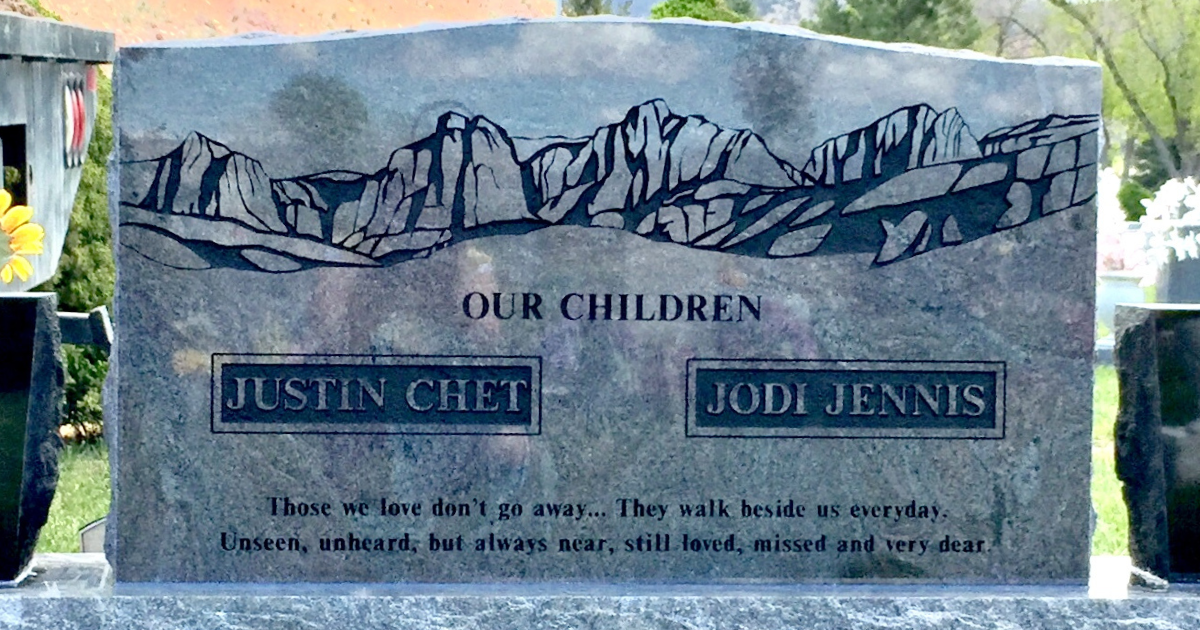
Mountains and Landscapes: Personal Connections to Nature
Not every meaningful headstone design needs to come from a traditional symbol.
For families in Central Utah, natural landscapes can have a particularly personal connection.
Mountains, forests, lakes, and outdoor scenes may represent places where someone spent time with family, enjoyed hobbies, or developed lasting memories.
For example, a memorial might feature a mountain range that reminds the family of camping trips, hunting excursions, or years spent exploring the outdoors.
A fishing scene could reflect someone's favorite pastime, while a simple pine tree might represent a love of the mountains.
Unlike many traditional cemetery symbols, these designs often have meanings specific to the person being remembered.
Landscape designs can range from simple mountain silhouettes to more detailed scenes.
The level of detail depends on the memorial's size, granite color, and engraving method.
For smaller headstones, a simple design may be easier to recognize from a distance.
Larger upright monuments may provide more room for detailed scenery.
Choosing the right amount of detail helps ensure that the artwork complements the names and inscriptions rather than competing with them.
Religious Symbols and Personal Faith
Religious imagery has been part of cemetery design for centuries.
Crosses are among the most common symbols on Christian memorials, but families may also choose temples, praying hands, scripture imagery, or other designs associated with their beliefs.
In Utah, some families may wish to incorporate artwork that reflects their religious traditions or a loved one's personal faith.
These details can be particularly meaningful when religion played an important role in someone's daily life.
When selecting religious artwork, families should consider the specific meaning they want the design to communicate.
A symbol that is appropriate for one person may not reflect another person's beliefs or preferences.
Custom Artwork for Hobbies, Careers, and Interests
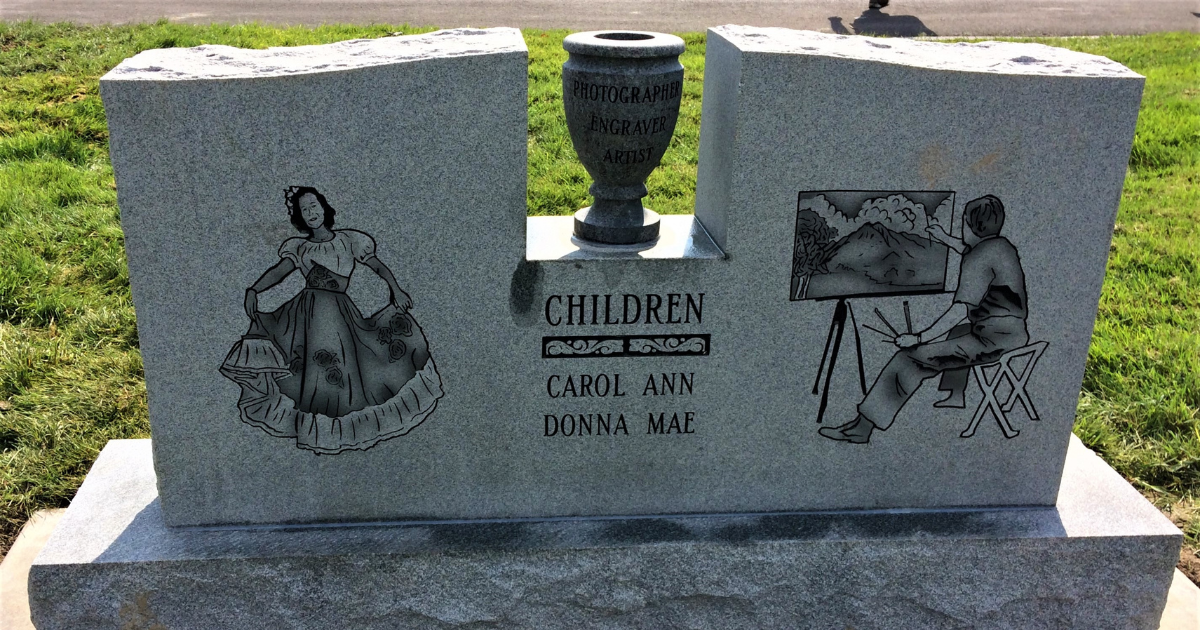
Although traditional symbols remain popular, modern headstones can also feature artwork connected to an individual's hobbies, career, personality, or interests.
Some examples include:
- Musical instruments for someone who enjoyed playing or performing music.
- Horses or other animals for someone who loved caring for animals.
- Farming equipment or agricultural scenes to recognize a lifetime of working the land.
- Fishing, hunting, or camping imagery for an outdoor enthusiast.
- Flowers or plants that held personal meaning.
- Artistic designs representing a special interest or accomplishment.
These images do not necessarily carry historical symbolism.
Instead, their meaning comes from the memories and experiences associated with the individual.
For some families, a simple image of a favorite activity may say more about a loved one's life than a traditional decorative design.
Choosing Meaningful Headstone Artwork
With so many options available, selecting artwork for a memorial can feel overwhelming.
Rather than beginning with a specific symbol, it may help to think about the person being remembered.
Consider the activities they enjoyed, the beliefs that guided their life, and the places or relationships that mattered most to them.
You might also think about whether the memorial should have a traditional appearance or a more personalized design.
Matching Artwork to the Monument
Decorative artwork should work with the monument's shape, size, and lettering.
A design that looks attractive on a large upright monument may not translate well to a smaller flat marker.
Similarly, detailed artwork can become difficult to recognize if it is reduced too much.
A monument professional can help determine how the selected image will fit within the available space.
Considering Readability Over Time
Headstones are exposed to sunlight, precipitation, dust, and changing temperatures throughout the year.
The appearance of engraved artwork can vary depending on the granite finish, engraving technique, and surrounding conditions.
Simple, clearly defined designs may remain easier to recognize from a distance than artwork with numerous small details.
Families should consider both the appearance of the memorial when it is new and how the design may be viewed over time.
Personal Meaning Matters
Traditional symbolism can provide inspiration, but families do not have to follow historical interpretations when selecting headstone artwork.
A rose does not need to represent a particular stage of life. A tree does not have to symbolize strength. A bird does not have to carry a religious meaning.
Sometimes a design is meaningful simply because it reminds someone of a loved one.
The most appropriate choice is one that reflects the individual and feels right to the family.
Creating a Memorial That Reflects a Life
Headstone symbols offer a way to communicate something beyond the information engraved in stone.
Traditional designs connect modern memorials to centuries of cemetery history, while personalized artwork allows families to recognize the unique interests and experiences of someone they love.
Whether you prefer a simple floral engraving, a religious symbol, a mountain landscape, or another meaningful design, the artwork should complement the memorial and the person it represents.
Understanding the options can make it easier to choose details that will remain meaningful for generations.
Explore Custom Headstone Designs with Richfield Monuments
At Richfield Monuments, we help families throughout Richfield, Sevier County, and surrounding Central Utah communities create granite memorials that reflect the individuals they are designed to honor.
From traditional headstone symbols to personalized engravings and decorative artwork, there are many ways to incorporate meaningful details into a memorial.
Our team can help you explore design options, consider the available engraving space, and choose artwork that works with your preferred monument style.
Contact Richfield Monuments to learn more about custom headstones, granite memorials, and personalized engraving options in Central Utah.