What Do Symbols on Headstones Mean?
Walk through any old cemetery and you'll encounter a symbolic vocabulary carved in stone — anchors, winged hourglasses, draped urns, sleeping lambs, weeping willows. These symbols weren't chosen at random. Each carries specific meaning rooted in history, religion, or fraternal tradition. Understanding what they represent deepens the appreciation for every memorial they mark.
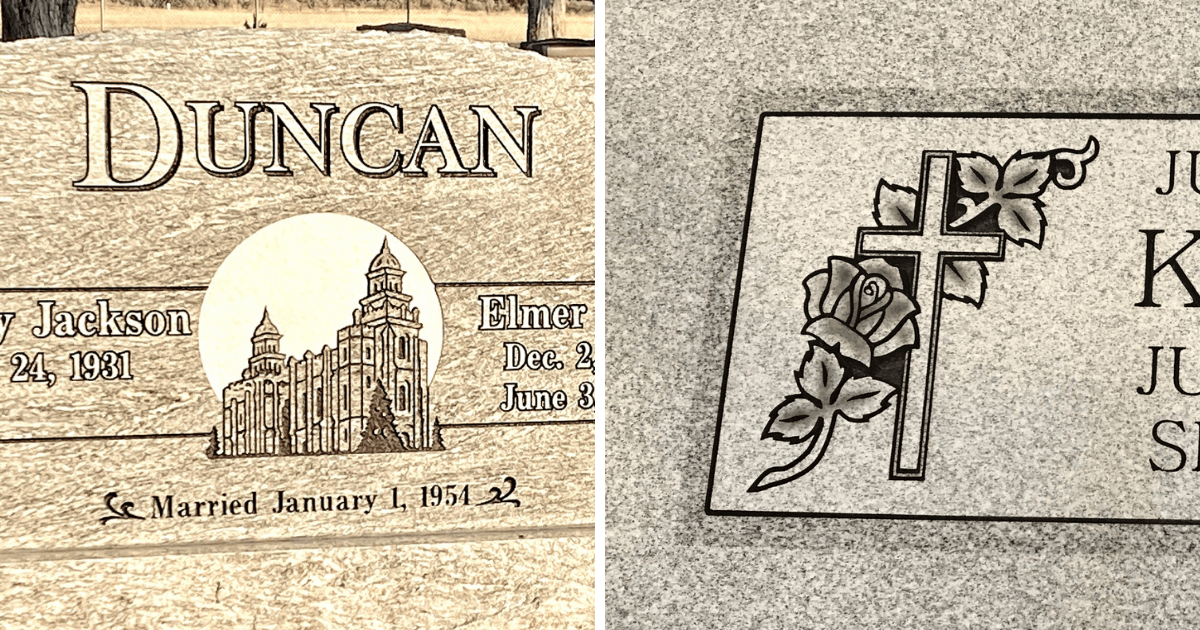
Religious and Eternal Life Symbols
Religious symbols are among the most common on headstones across all eras and cultures. They communicate faith, offer comfort to the living, and express the spiritual identity of the person memorialized.
- Cross: the central symbol of Christian faith; Latin, Celtic, and Orthodox cross forms carry different denominational resonance
- Angel: messenger, guardian, or escort — a common symbol of divine protection and heavenly passage
- Dove: peace, the Holy Spirit, purity — particularly common on children's and young adults' markers
- IHS / Chi-Rho: ancient Christian monograms referring to Jesus Christ
- Menorah / Star of David: Jewish faith and cultural identity
- Open Bible: faith in scripture, common on Protestant markers
- Praying hands: personal devotion and faith
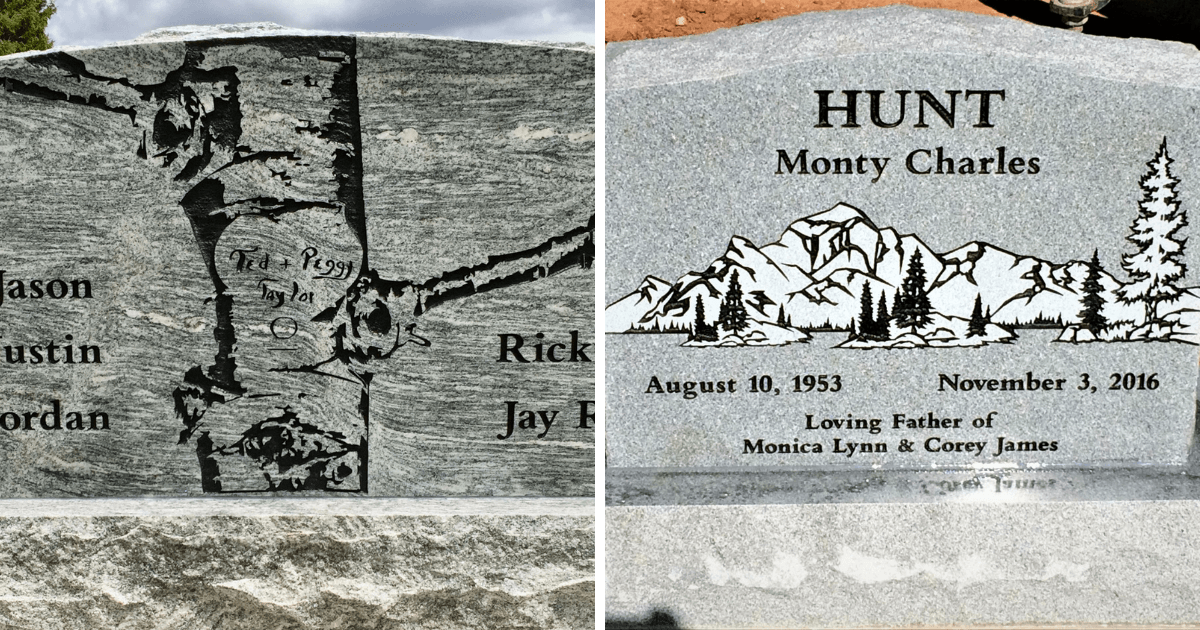
Nature and Life's Journey
Nature has served as a source of memorial symbolism for millennia. Plants, animals, and natural phenomena represent the arc of human life, the certainty of death, and the hope of renewal.
- Weeping willow: grief and mourning; one of the most traditional cemetery symbols
- Oak: strength, endurance, long life — common on men's markers in Victorian-era cemeteries
- Rose: love and beauty — a bud represents youth; a full bloom represents a completed life
- Ivy: memory, immortality, friendship enduring beyond death
- Wheat sheaf: a long life fully lived; the harvest at the end of a good season
- Butterfly: resurrection, transformation, the soul's release
- Lamb: innocence and gentleness — particularly prominent on children's memorials
- Anchor: hope and stability in faith; also common for families with naval or maritime history
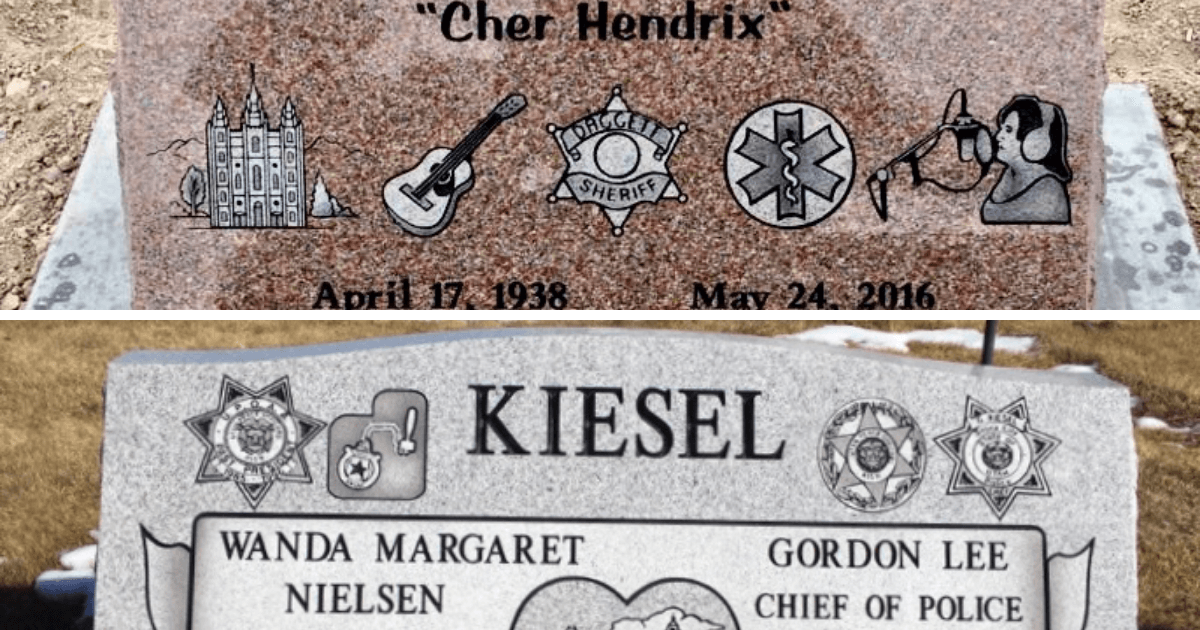
Fraternal and Organizational Symbols
From the late 1800s through the mid-20th century, fraternal organizations were central to American community life. Members often requested organizational symbols on their headstones as a mark of identity and belonging.
- Square and compass: Freemasonry — one of the most common fraternal symbols in older cemeteries
- Three-link chain: the International Order of Odd Fellows (IOOF)
- Eagle: often designating the Fraternal Order of Eagles; also a general patriotic symbol
- Grand Army of the Republic shield: Union veterans of the Civil War
- Military branch insignia: Army, Navy, Marines, Air Force, Coast Guard, or National Guard
- VA-issued veteran medallions: mark qualifying military service
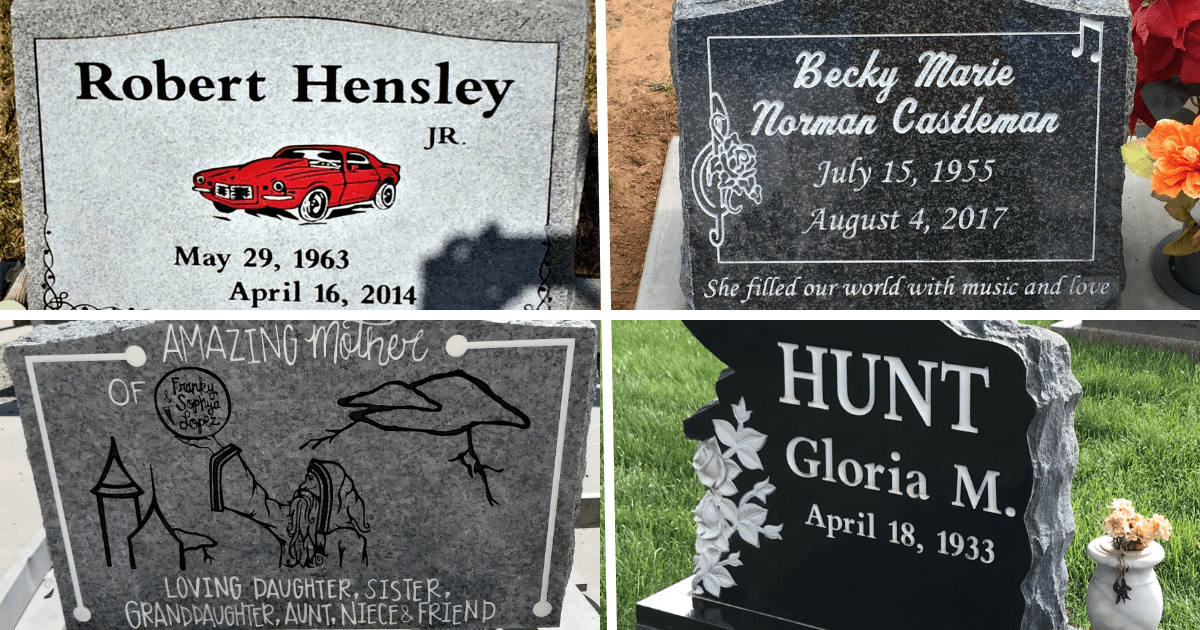
Modern and Personalized Symbols
Contemporary headstones increasingly incorporate personalized symbols that reflect the individual rather than a shared tradition. This reflects both cultural change and the expanded capabilities of modern technology.
Sports imagery, musical notes, tools of a trade, vehicles, and hobby-specific artwork are all common requests at Richfield Monuments. The key is choosing symbols with genuine personal meaning rather than generic decoration — a thoughtful personal symbol will be more meaningful a century from now than a fashionable motif from today.
- Sports and hobby imagery: golf, fishing, hunting, music, farming, and more
- Professional symbols: tools, equipment, or insignia from a career or trade
- Photographic portraits: laser-etched in or mounted as ceramic tiles
- Custom family crests or emblems
- Favorite animals, landscapes, or personal scenes
- QR codes linking to a digital tribute or family legacy page