The Best Headstone Epitaphs
An is one of the most enduring forms of human expression — a few words that attempt to say something true about a life. They range from solemn scripture to gentle humor, from declarations of faith to observations that make visitors smile. Here is a collection of epitaphs from across centuries and traditions to inspire the inscription for your loved one's memorial.
Classic and Traditional Epitaphs
Traditional epitaphs draw from scripture, poetry, and the enduring human understanding of death as a transition rather than an ending.
- "I am the resurrection and the life." — John 11:25
- "Well done, good and faithful servant." — Matthew 25:23
- "Beloved husband, father, and friend — forever in our hearts."
- "Until we meet again."
- "Gone but not forgotten."
- "In loving memory."
- "At rest."
- "In God's hands."
Epitaphs That Reflect a Life
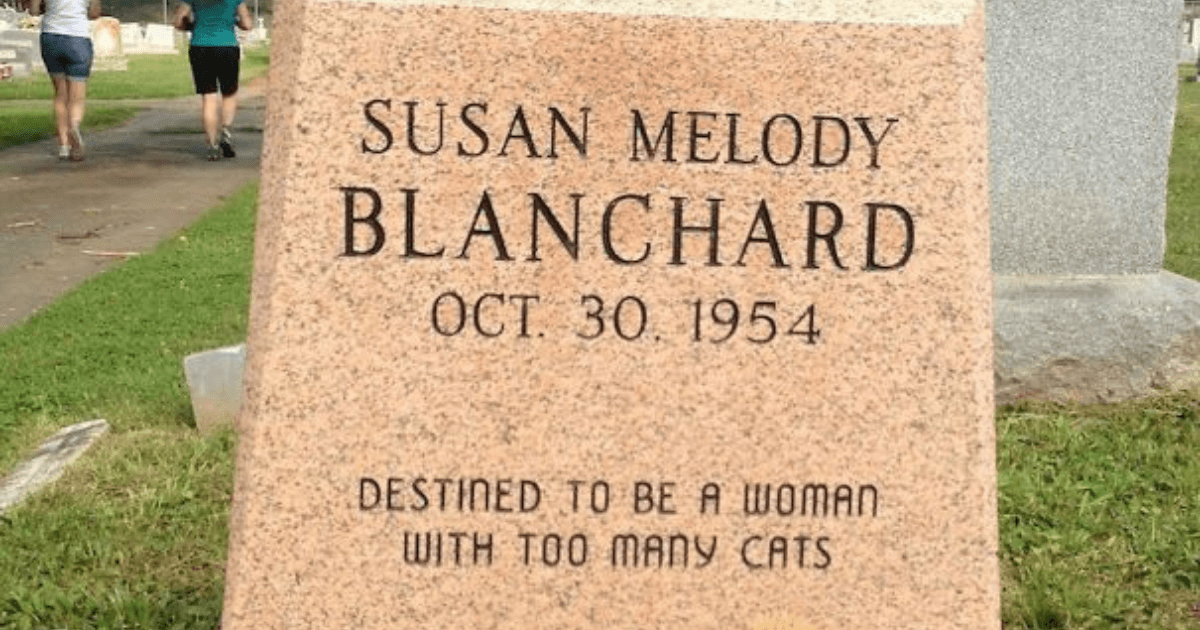
The most powerful epitaphs say something specific — something that couldn't be on anyone else's stone.
- "She never met a stranger."
- "He loved this land and it loved him back."
- "Fifty years of fishing. Now she knows what's really in those waters."
- "Kept his promises every single day."
- "Her kitchen table was always set for one more."
- "He built things that will outlast this stone."
- "She asked the right questions."
Humorous Epitaphs
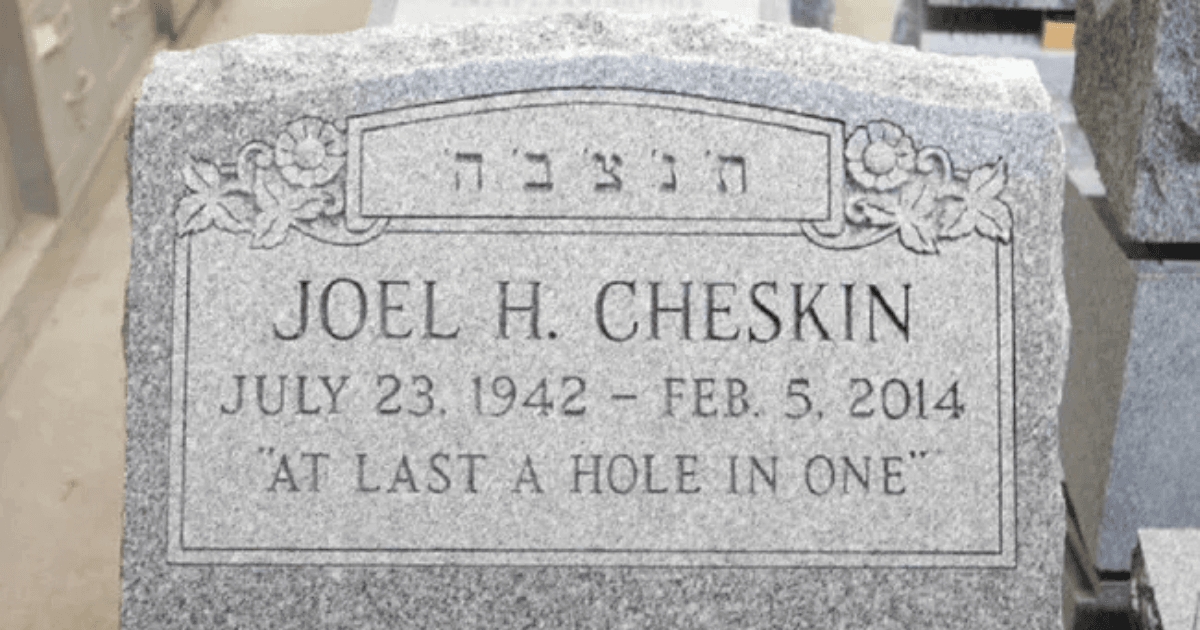
Humor on a headstone is not disrespect — it can be the most honest expression of who someone was. For someone who made people laugh throughout their life, a stone that makes visitors smile honors them more truly than a solemn formula.
- "I told you I was sick."
- "Here lies the body of Jonathan Blake. Stepped on the gas instead of the brake."
- "Finally stopped to ask for directions."
- "He always said he'd be the last one to know."
- "She was right. We were wrong. There. Happy?"
Writing Your Own Epitaph
The best epitaphs are often written by people who knew the person well — not professional writers. The goal is one true sentence, or a line that only this person would have said, or a scripture that was their compass.
Start with these questions: What were they known for? What did they believe? What made them laugh? What would they want the last word on their life to be? The constraint of a — a few dozen characters at most — forces you to find the essential thing. That constraint is a gift.
- Ask: what would they want the last word on their life to be?
- Use their actual words if possible — a phrase they said regularly
- Choose a scripture that was genuinely central to their faith, not a generic one
- Consider their humor — if they were funny, let the stone be funny too
- Read it aloud to see if it sounds like them