How to Choose the Right Words for a Memorial Inscription
The on a is often the hardest part of the entire memorial process. Everything else — the granite color, the monument style, the artwork — fades into the background next to the question of what words will represent this person, permanently, in stone. Here's how to approach it.
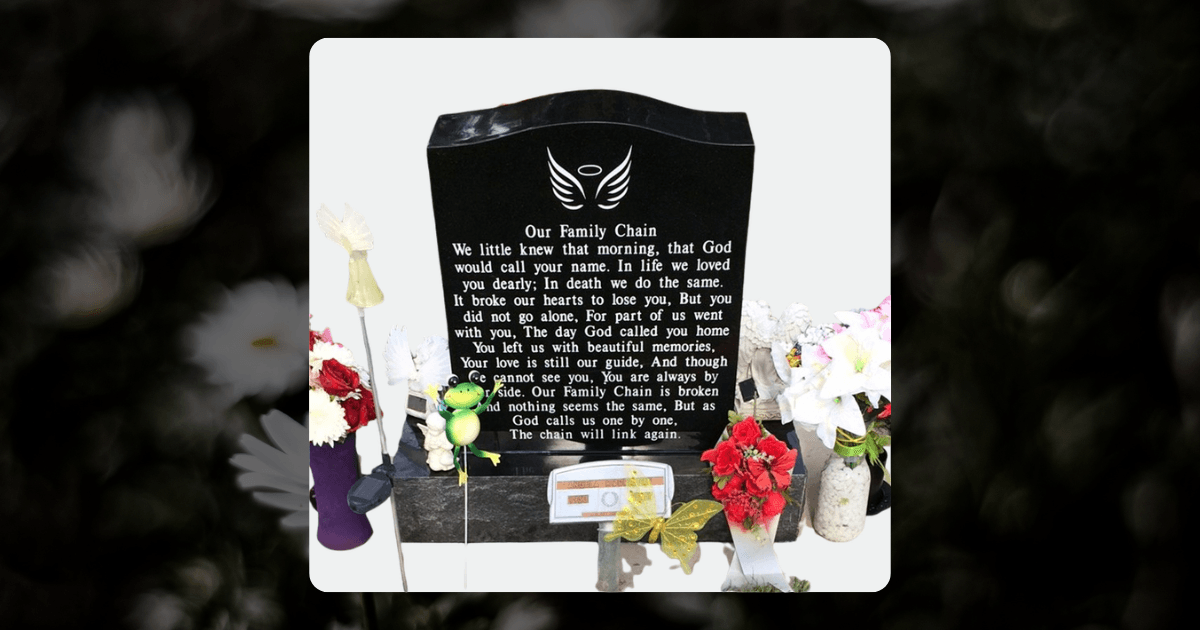
The Heart of the Monument
An can be a name and two dates — and that's enough. Or it can include a title, a relationship, a scripture verse, a poem line, a personal expression, or a single word that captures who the person was. There is no formula that fits every life, and there's no length that's more correct than another.
What matters is that the feels true. A generic phrase chosen because it seemed traditional will feel hollow to the people who knew the person. A line that captures something specific about who they were — their faith, their humor, their love, their work — will resonate with everyone who reads it, including strangers decades from now.
Sources of Meaningful Inscriptions
The best inscriptions usually come from one of four sources: scripture or sacred text (if faith was central to their life), poetry or literature they loved, something they said or wrote that became part of how family remembers them, or a simple statement of who they were in relation to others.
- Scripture: a favorite verse, a teaching they lived by, a promise they found comfort in
- Poetry and literature: a line from a poem, song lyric, or book they loved
- Their own words: a phrase they used, a conviction they expressed, something in a letter or journal
- Relational statement: Beloved husband, father, and friend — Farmer. Neighbor. Teacher. — a role that defined them
- A single word: Faithful. Joyful. Beloved. — sometimes simplicity carries the most weight
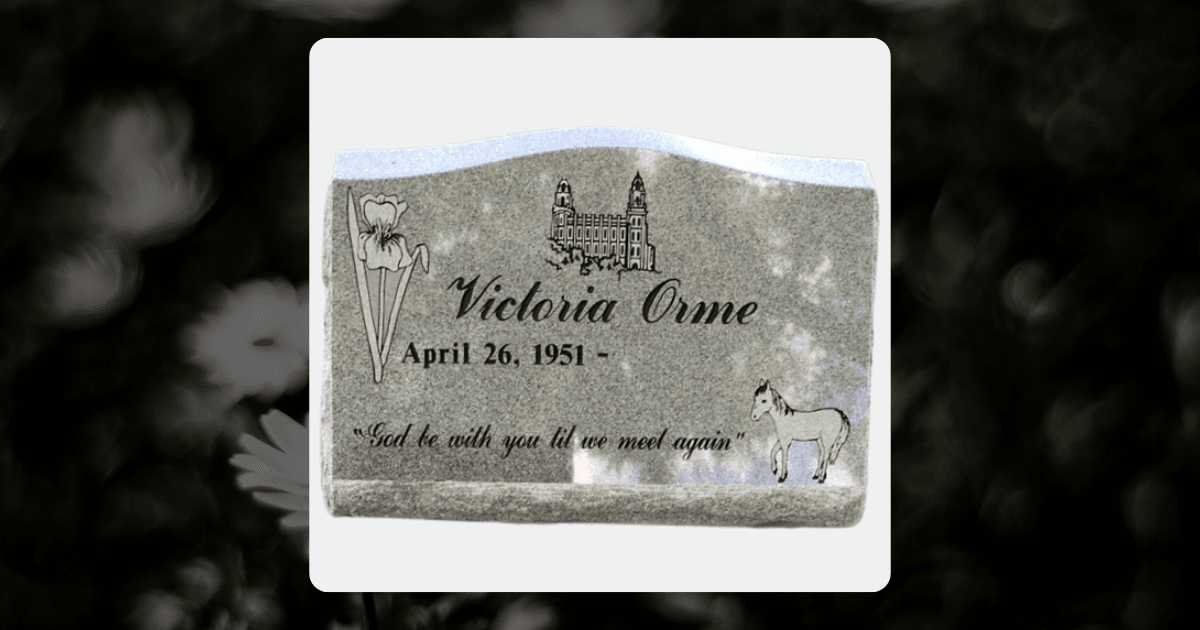
Practical Considerations for Legibility
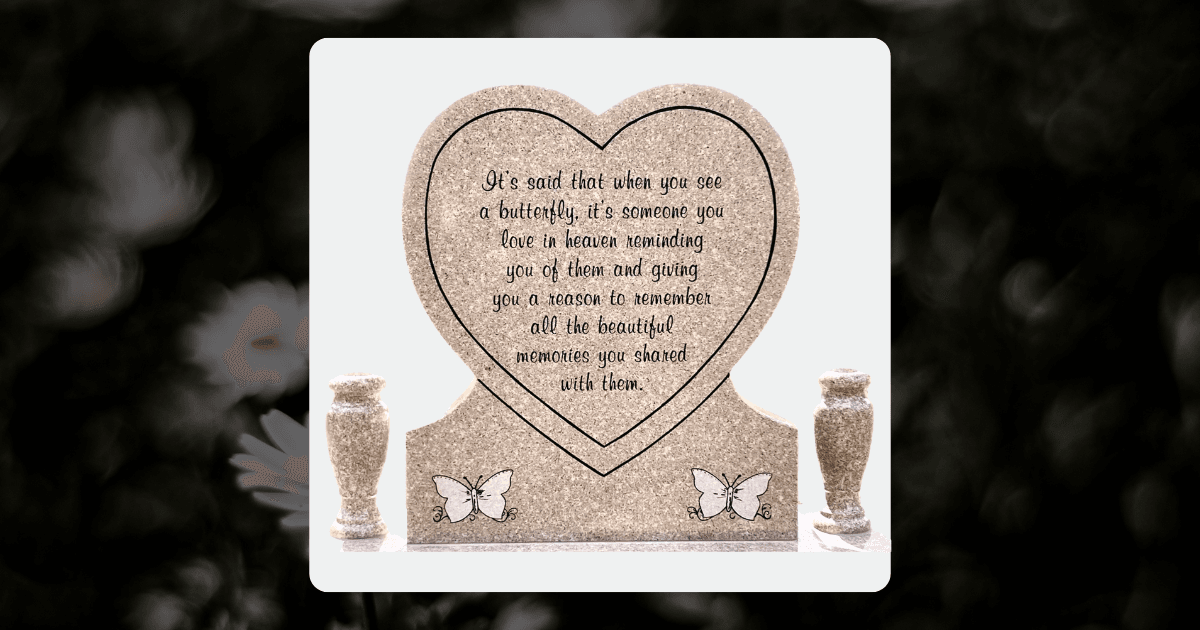
The must be legible. On a headstone intended to last a century, legibility means choosing fonts and sizing that hold up over time and read clearly at the distance from which the stone will normally be viewed.
- Serif and classic letterforms tend to read more legibly at distance than thin script fonts
- Minimum letter height for outdoor legibility is typically around 0.75 inches
- All-caps lettering occupies more space but can read well for shorter inscriptions
- Leave adequate stone face to avoid crowding — a cluttered loses impact
- Colored paint fill in letters improves legibility on darker granites, especially in shaded areas
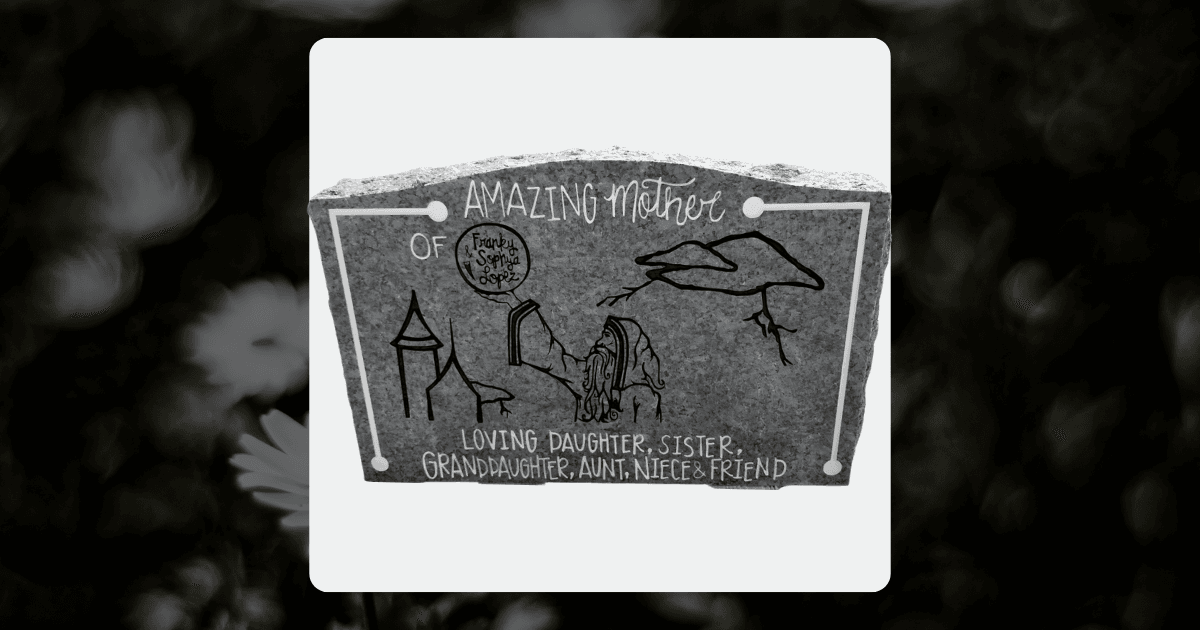
Cemetery Regulations and the Provider's Process
Most cemeteries don't regulate content beyond prohibiting commercial messages and certain imagery — they give families wide latitude in what they say. However, the physical placement of the — its position on the stone, the font used, and the character count — is part of the design proof that must be approved before cutting.
Richfield Monuments produces a full design proof for every monument that shows exactly how the will appear on the finished stone. Families review and approve the proof before a single letter is cut. If the wording isn't right, we revise it — as many times as needed — until it is.
A Lasting Legacy in Stone
The you choose will be read by people who never knew this person — grandchildren not yet born, visitors to the cemetery, community members who pass by. It will be the only encounter many of them have with this life.
That's a significant responsibility, and it's worth taking the time to get it right. Richfield Monuments is here to help you find the words.