What Is a Headstone Foundation and Who Handles It in Utah?
A headstone that leans, shifts, or topples years after installation usually traces back to one root cause: an inadequate . In Utah's climate, getting the right isn't optional — it's what separates a memorial that stands straight for a century from one that needs costly repairs within a decade.
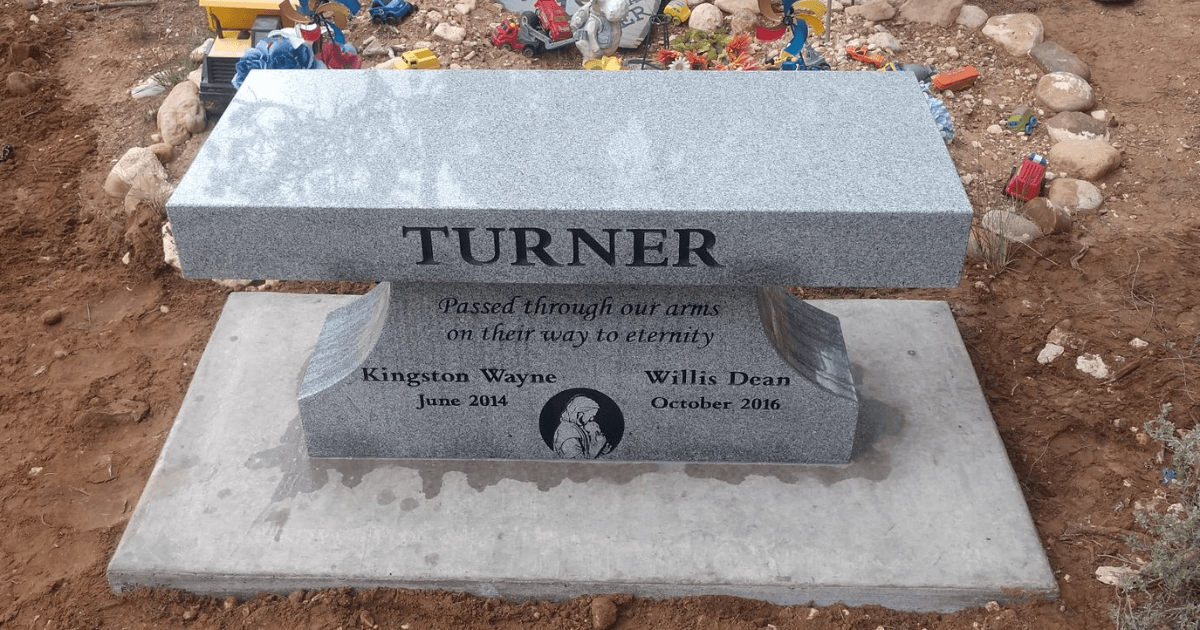
What Is a Headstone Foundation?
A (also called a footing) is a concrete base installed below ground on which the monument rests. It distributes the monument's weight over a larger surface area, preventing it from sinking into soft soil. More importantly, it anchors the stone below the frost line so that freeze-thaw cycles cannot shift or topple it.
size depends on the weight of the , soil conditions at the cemetery, and local code requirements. Larger, heavier upright monuments require proportionally larger and deeper footings than flat markers.
- Typically poured concrete, often reinforced with rebar for larger monuments
- Depth is determined by local frost depth — Utah typically requires 24–36 inches minimum
- Some cemeteries require a specific size and material as a condition of installation
- The base is mortared or pinned to the to prevent any surface movement
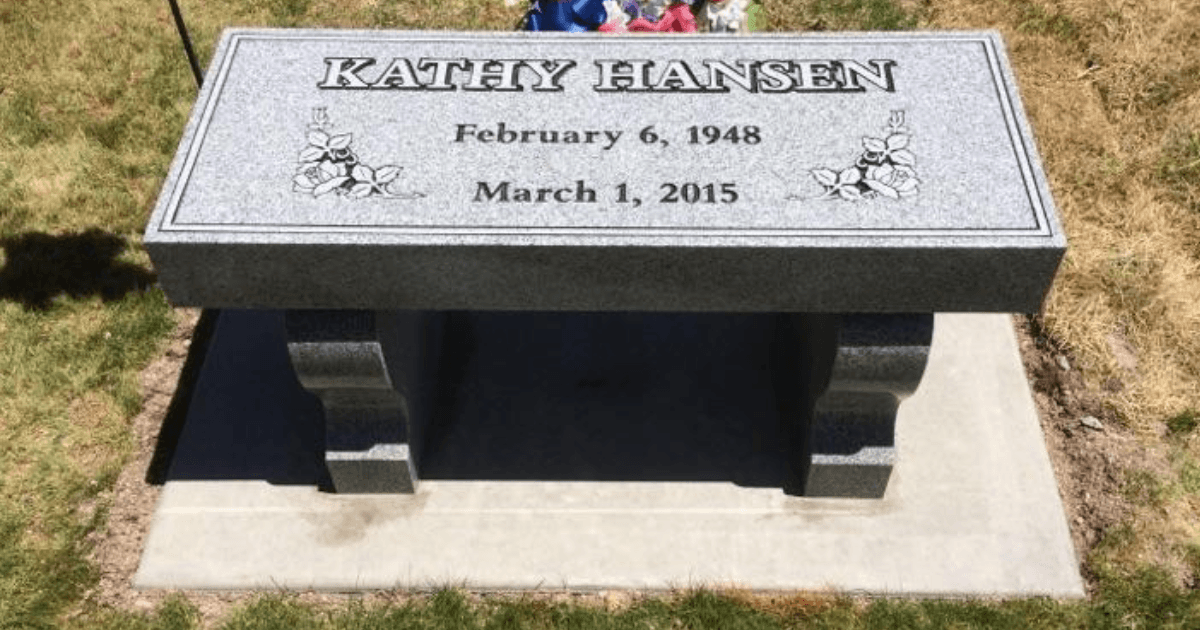
Why Utah's Climate Makes Foundations Essential
Utah's frost depth — how deep the ground freezes in winter — is significant enough in Central Utah to cause frost heave in shallow-set monuments. When water in the soil freezes, it expands. A anchored above the frost line will move with the soil, gradually leaning or toppling over years of cycling.
Above-ground also stresses the joint between a and its base. Without a locking the assembly in place, monument bases can work loose even when the stone itself is in perfect condition.
- Frost heave is the primary cause of tilting in Utah cemeteries
- Central Utah winters regularly freeze soil to 18–30 inches — foundations must extend below this depth
- Properly poured foundations prevent movement even during unusually cold winters
- Monument bases should be mortared or pinned to the to prevent any surface movement
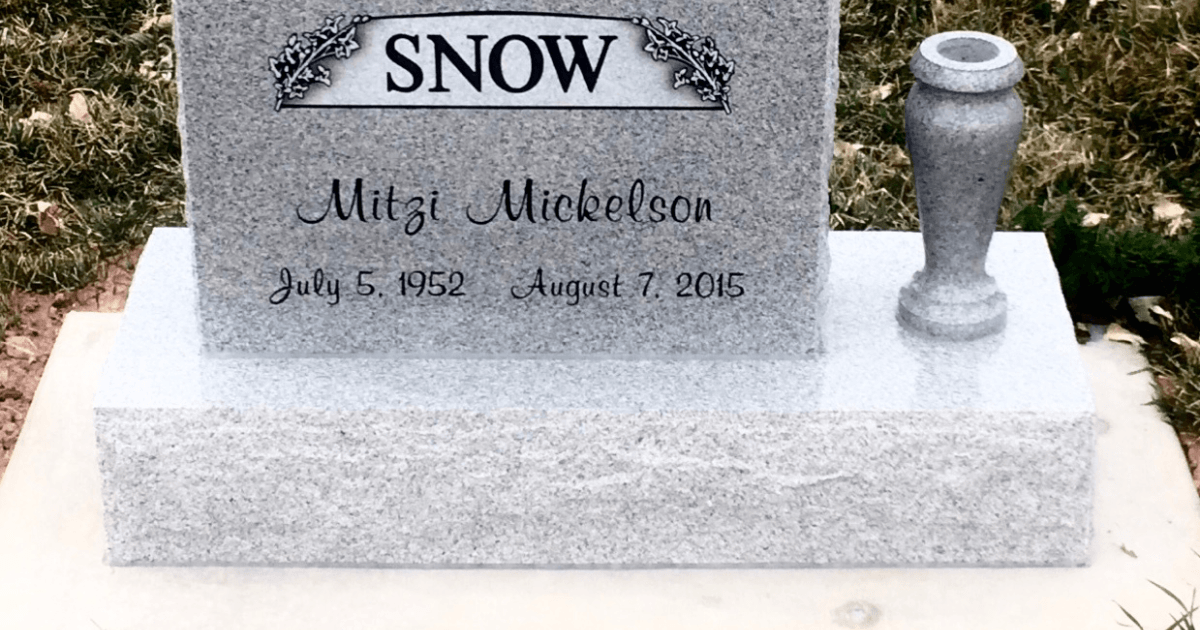
Who Handles the Foundation: You, the Cemetery, or the Monument Company?
responsibility varies by cemetery. In Utah, most fall into one of three categories: those that require all work be done by the cemetery for a fee; those that require monuments be installed by a licensed monument company (which handles the ); and smaller rural cemeteries with minimal formal requirements.
Always ask the cemetery about their policy before ordering a monument. Some require a permit submission before installation can be scheduled. Others coordinate directly with your monument company.
Richfield Monuments manages all work — including permits, concrete, and scheduling — as part of our standard installation service across Central Utah. Families don't have to coordinate work separately.