How Weather Affects Headstones in Utah (And What You Can Do About It)
Utah's high-desert climate is beautiful — and remarkably hard on stone. Wide temperature swings, intense ultraviolet radiation, seasonal cycles, and occasional heavy snow all degrade cemetery monuments faster than in milder regions. Understanding how weather damages headstones helps families make better material choices and maintain memorials that stand for generations.
Utah's Four-Season Climate Challenge
Central Utah experiences dramatic seasonal variation: summers above 100°F, winters well below freezing, and rapid spring and fall temperature cycling. This isn't just harsh — it's physically destructive to stone at a level that more temperate climates don't produce.
handles these extremes better than any alternative material, which is why it dominates cemetery monuments across the region. But no stone is entirely immune to sustained weathering over decades.
- Summer heat and UV accelerate fading of color fills and oxidation
- Winter cycles physically crack and spall stone over time
- Rapid day-to-night temperature swings create more thermal cycling stress than consistently cold climates
- Wind-driven dust acts as a slow abrasive on polished surfaces year-round
Primary Weather Threats to Headstones
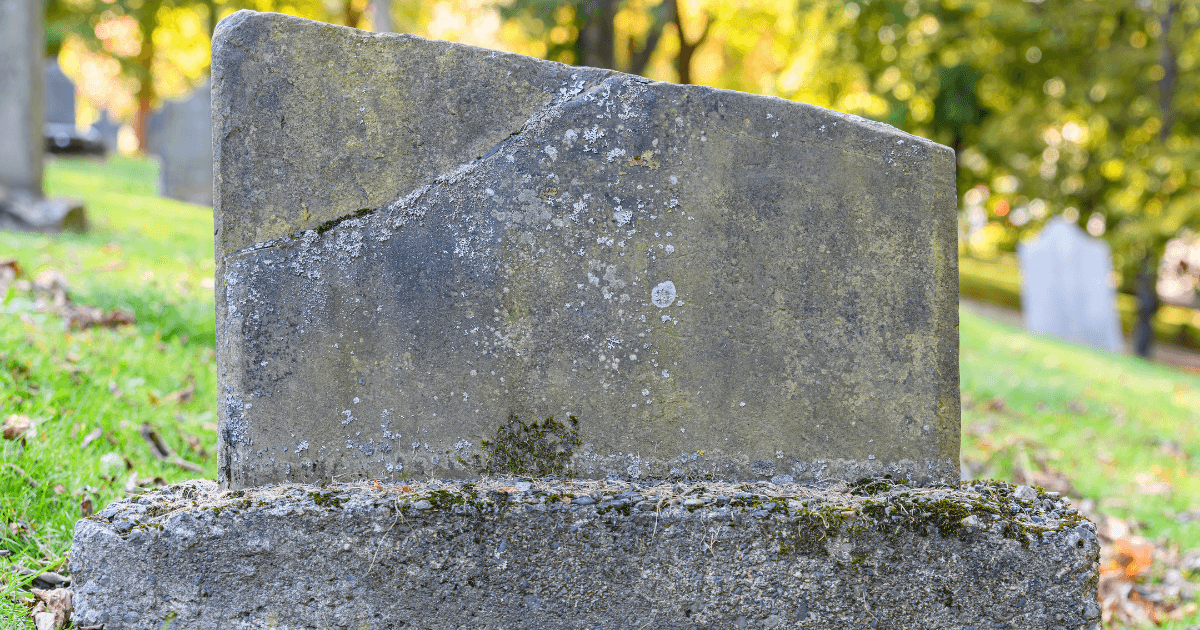
is the most destructive force on Utah headstones. Water enters microscopic pores and surface cracks during warmer months, then expands as it freezes in winter. Over years, this widens existing cracks and causes spalling — flakes of stone breaking off the surface. Even the densest granites have micro-porosity that water can exploit.
UV radiation bleaches color fills used in letter and artwork engravings. inlays and sealants oxidize faster at altitude. Ceramic photo portraits are more durable, but decades of direct sun exposure can still cause visible fading without periodic maintenance.
- cycles: the single biggest cause of structural headstone damage in Utah
- UV exposure: fades color fills and accelerates oxidation of elements
- Moisture: enables lichen and moss growth that slowly etches stone surfaces over years
- Wind: fine particulates abrade polished surfaces gradually
Signs Your Headstone Needs Attention
Most damage is gradual and easy to miss on occasional visits. Catching problems early — before cracks extend or becomes illegible — makes repairs far simpler and less expensive.
- Surface cracks or chipping, especially on edges and corners
- Faded or missing color fills in letters or design elements
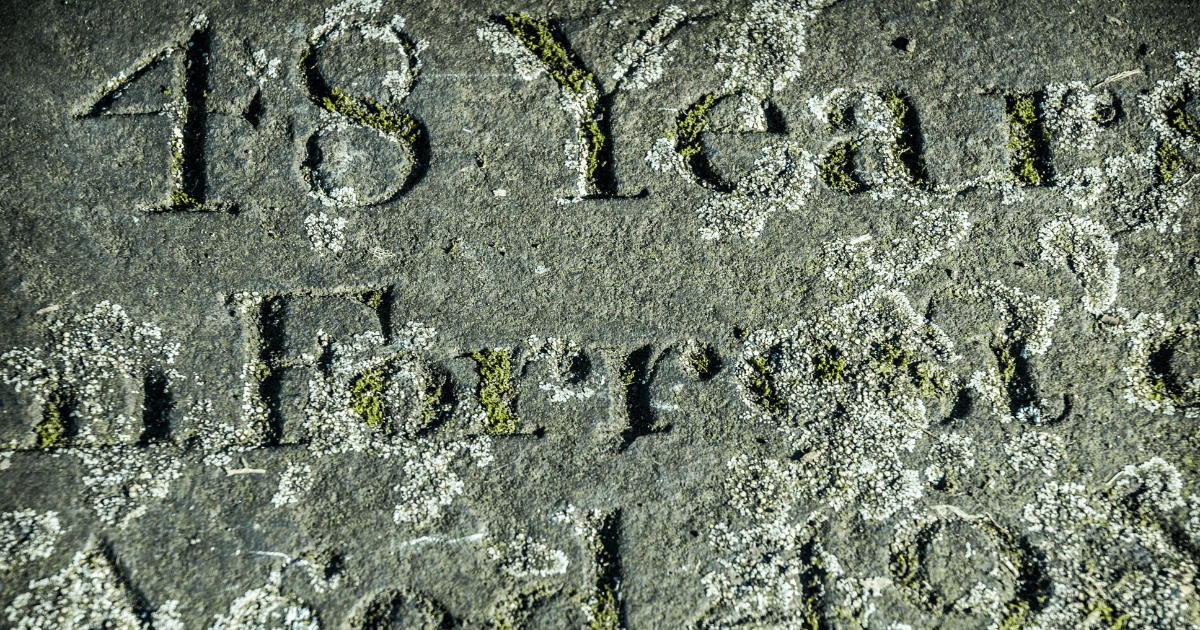
- Green, black, or orange biological staining from lichen or algae
- Leaning or tilting — a sign of settling or frost heave
- Surface pitting on the polished face, indicating progressive erosion
- Loosening of vases, plaques, or any attached hardware
What You Can Do to Protect Your Memorial
Choosing the right is the most effective long-term protection. Dense, low-porosity granites — jet black, dark gray, most blues — absorb less water and resist damage better than lighter varieties. Avoid marble for outdoor Utah cemeteries; it degrades significantly faster than in this climate.
For maintenance, rinse the stone with clean water each spring to remove mineral deposits. Every few years, use a soft brush and pH-neutral stone cleaner for deeper cleaning. Avoid bleach, vinegar, pressure washing, or any acidic cleaners — all degrade polished surfaces over time.
Richfield Monuments can advise on the best for your specific location in Central Utah and can inspect or repair monuments that are showing signs of weather damage.