7 Headstone Decisions Your Family Shouldn’t Have to Guess About
When a loved one passes away, families are often asked to make permanent decisions during one of the most emotional times of their lives. What kind of headstone would they have wanted? Which cemetery should we use? Did they want a scripture, a saying, or simply their name and dates?
You do not necessarily need to purchase a headstone in advance to make things easier for your family. Simply thinking through a few important decisions and writing down your preferences can make a significant difference.
The Federal Trade Commission recommends putting final-arrangement preferences in writing and making sure family members know where those instructions can be found. Here are seven headstone decisions your family should not have to guess about.
1. Where Do You Want to Be Buried?
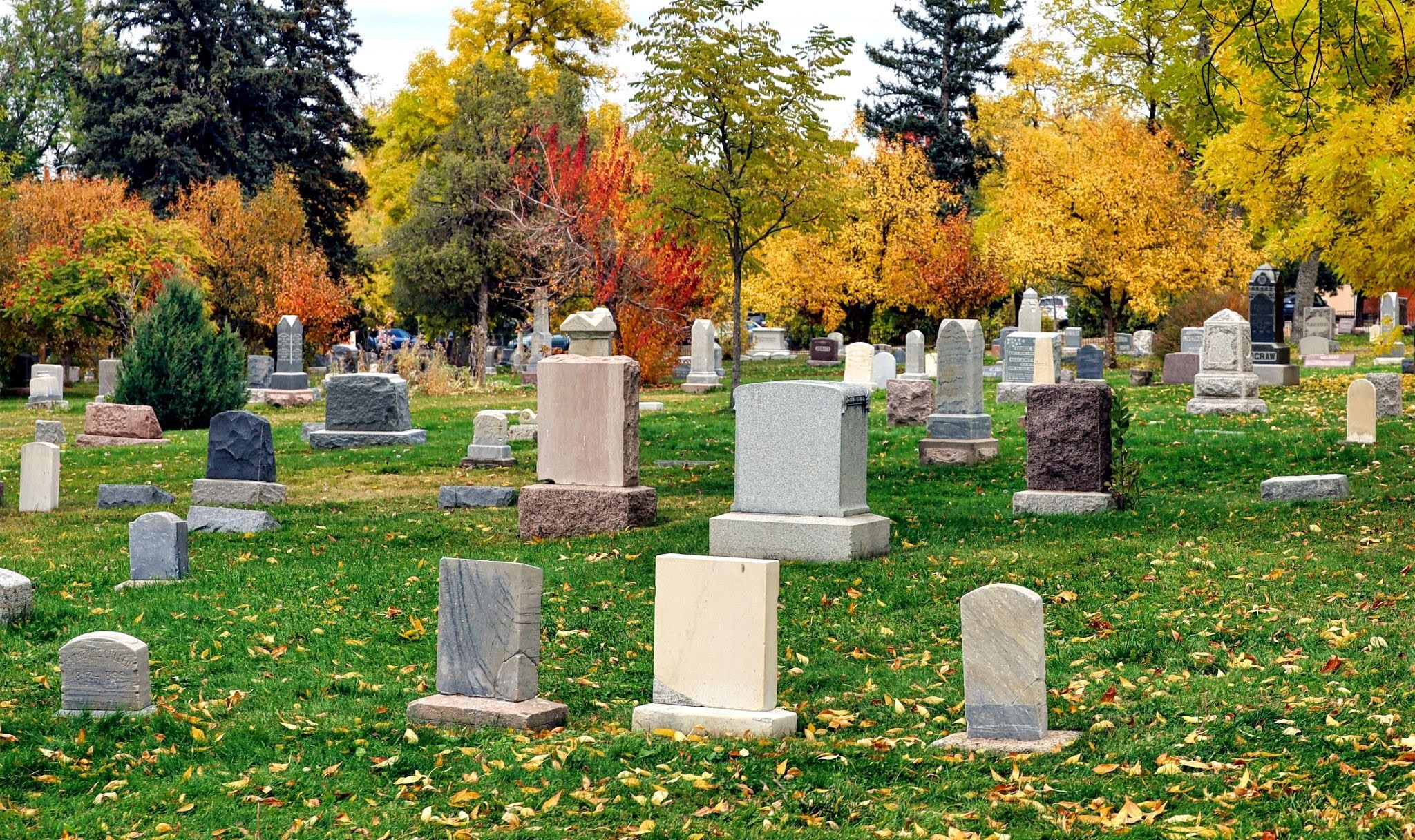
Before thinking about granite colors, artwork, or inscriptions, start with location. Do you already own a cemetery plot? Would you like to be buried near your spouse, parents, children, or other family members? Is there a particular cemetery or community that has meaning to you?
Cemeteries can have specific requirements for monument size, style, placement, foundations, and installation. A headstone that is acceptable in one cemetery may not meet the requirements of another.
- Cemetery name
- City and state
- Section or plot number, if known
- Cemetery contact information
- Location of any cemetery paperwork
2. What Type of Headstone Do You Prefer?
There are many more options than families sometimes realize. You might prefer an upright monument, a flat grass marker, a slant marker, a bevel marker, a bench memorial, a companion monument, a family monument, or a custom-shaped memorial.
You do not have to choose every measurement or detail right now. Even leaving a simple instruction such as “I prefer a traditional upright granite monument” gives your family much more direction than having no information at all. Looking through Richfield Monuments design and monument options can help you identify what feels right. You can also read our guide to designing a unique and timeless headstone.
3. What Should Your Headstone Say?
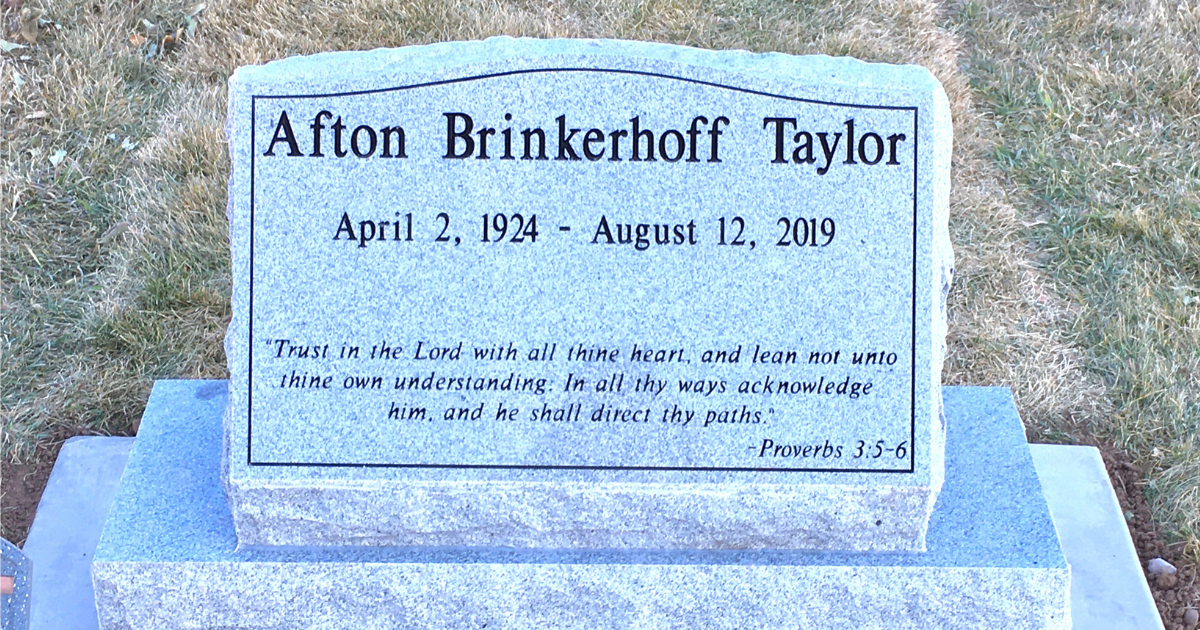
Names and dates may form the foundation of a headstone inscription, but many families want the memorial to communicate something more. Consider whether you would like to include your full legal or preferred name, maiden name, family role, marriage date, military rank or branch, favorite scripture, short epitaph, meaningful quote, religious phrase, or family surname.
If there is wording that is especially important to you, write it down exactly as you would like it to appear. That is especially helpful with scripture references, names, nicknames, and family relationships. A memorial has limited space, so identifying what matters most can make the final design process easier.
4. Are There Symbols or Images You Want Included?
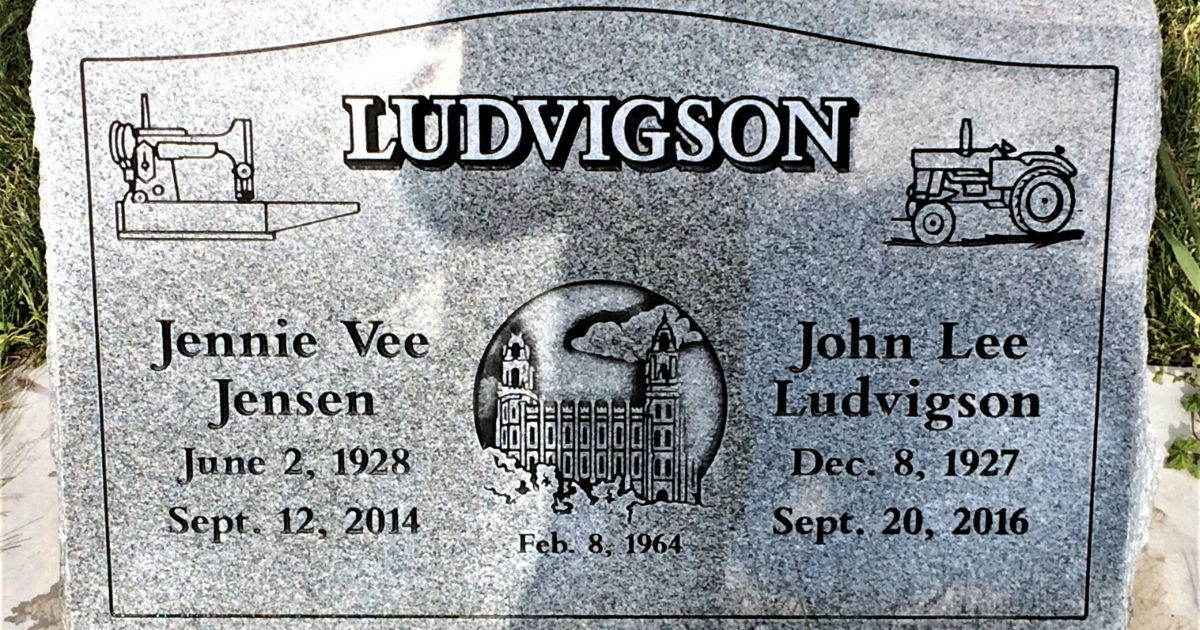
Artwork can transform a headstone from a simple marker into a reflection of a person’s life. Popular choices include crosses, temples or churches, flowers, mountains, wildlife, ranch or farm scenes, musical instruments, military emblems, sports, vehicles, family crests, hobbies, and occupations.
The best artwork usually has a reason for being there. A mountain scene might represent years spent hunting, hiking, or camping with family. A tractor may represent a lifetime spent farming. Religious imagery can reflect faith that shaped an entire life. Our guide to what symbols on headstones can mean can help you consider meaningful options. When you find artwork, photographs, or design examples you particularly like, save them with your other memorial-planning information.
5. Do You Want to Share a Monument With Your Spouse?
This is one of the best memorial decisions for couples to discuss together. Would you prefer one companion monument, two individual headstones, matching monuments, side-by-side graves, or a larger family memorial?
If you prefer a companion headstone, decide together what should appear in the center of the design. That might include your family surname, wedding date, shared scripture, religious imagery, family artwork, a landscape you both love, or a saying that represents your marriage. Many details can be planned while both spouses are living, with space reserved for information that will be completed later. Families planning beyond an individual memorial can also read our guide to creating a family plot with matching headstones.
6. Does Military Service Need to Be Included?
If you or your spouse served in the military, make sure your family knows where those records are kept and whether you want that service represented on your memorial. Record the branch of service, rank, years served, location of discharge documents, and whether you want military imagery or information on the monument.
Eligible Veterans may qualify for certain government-provided memorial benefits. The Department of Veterans Affairs explains available headstone and marker options, which can include upright granite or marble headstones and flat granite, marble, or bronze markers, depending on eligibility and circumstances. Private cemeteries can still have their own rules regarding which styles they allow.

7. Who Knows What You Want?
Creating a beautiful headstone plan does little good if nobody knows it exists. Consider sharing your wishes with your spouse, adult children, personal representative or executor, a trusted family member, or your attorney when appropriate.
A simple memorial-planning page could include where you want to be buried, your preferred monument style and granite appearance, inscriptions, artwork, family plans, important documents, and the monument company you would like your family to contact. Even one clearly written page can save your family from making permanent decisions without knowing what you would have wanted. The FTC also recommends putting advance-planning preferences in writing and sharing copies with the people who may need them.
You Don’t Have to Make Every Decision Today
Planning ahead does not mean every detail has to be permanent. Your preferences may change, you might move, your cemetery plans may change, or you may see a monument design later that you love more than what you would choose today. That is okay.
The goal is not to control every detail of the future. The goal is to give your family enough direction that they are not starting from a blank page during a difficult time. Review your wishes occasionally and update them as your circumstances change.
Give Your Family One Less Difficult Decision
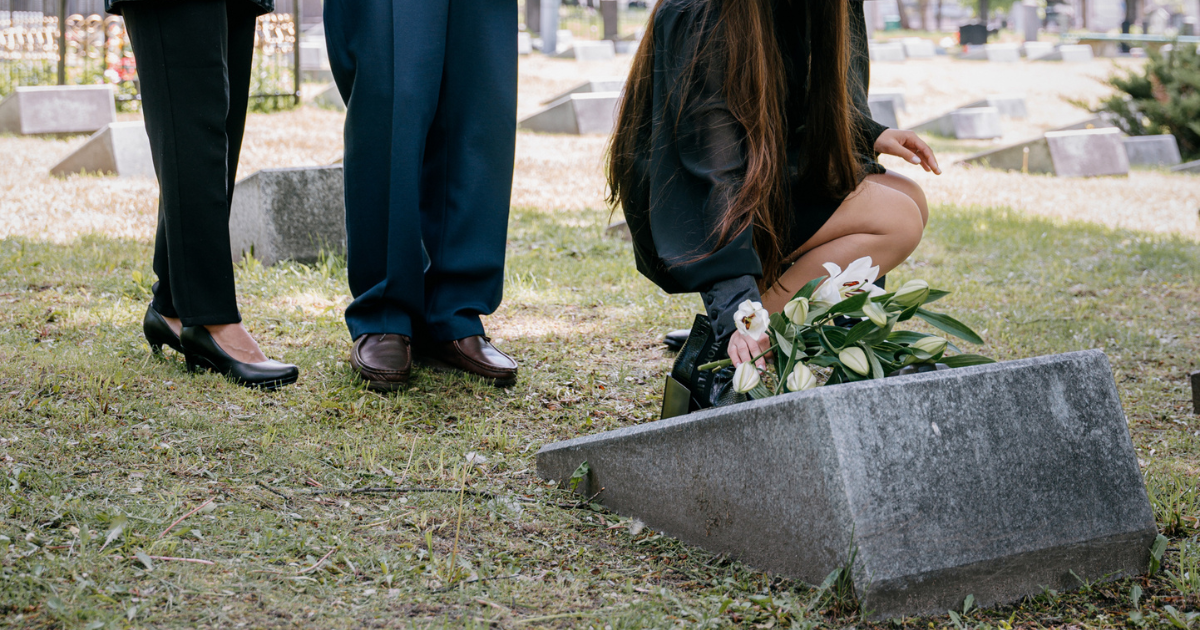
A headstone becomes a permanent place of remembrance. If your family knows where you would like to be buried, the type of monument you prefer, the words that matter to you, and the story you want your memorial to tell, they can spend less time guessing and more time honoring your life.
Planning these details can also start meaningful conversations with your spouse and children now. Richfield Monuments has helped families create meaningful memorials for generations. Thoughtful preparation can make the process easier and help create a monument that truly reflects the life behind the name.