How Are Headstone Photos Attached, and Will They Last?
A picture holds a thousand memories. Adding photos transforms a simple marker into a deeply personal tribute. At Richfield Monuments, we often hear families ask: How are those photos attached? Will they survive rain, snow, and sun?
Method 1
Laser Etching: The Gold Standard
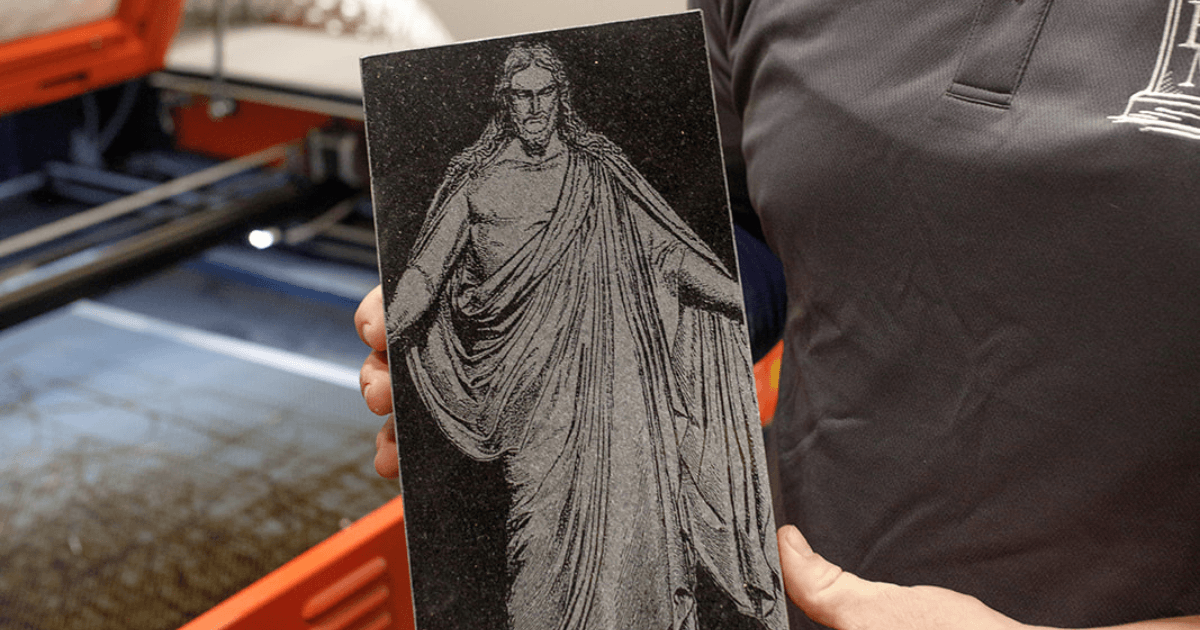
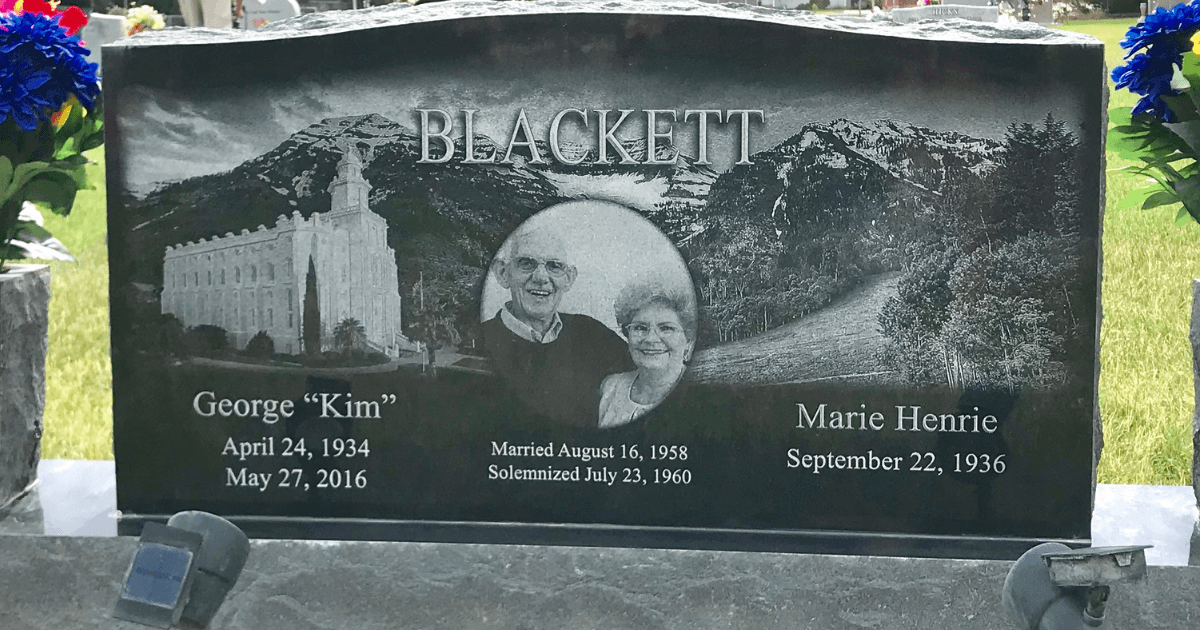
This is the most durable method. A high-powered laser burns the image directly into the 's surface. No glue. No sealant. Just stone.
The laser removes microscopic layers of to create a frosted, photographic effect. Darker granites (like black or charcoal) work best because the contrast makes the image pop.
Lifespan: 100+ years. The photo is literally part of the stone. It will not fade, peel, or discolor.
Best for: Portraits, detailed scenes, and any family wanting a permanent image that requires zero maintenance.
Method 2
Porcelain or Ceramic Photo Plaques
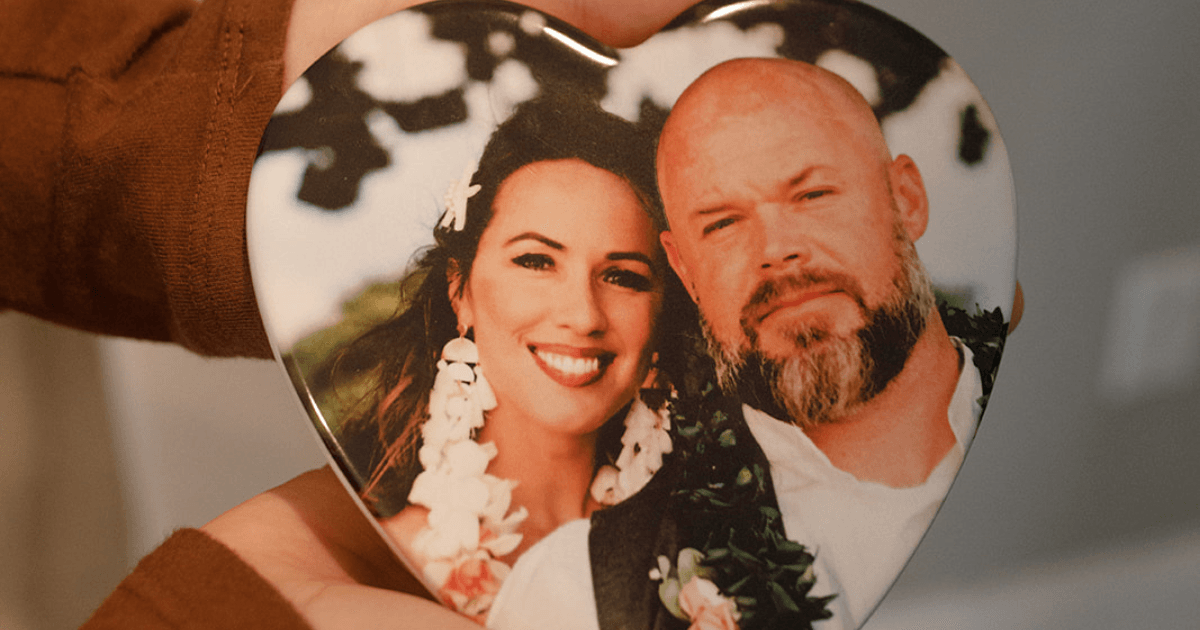
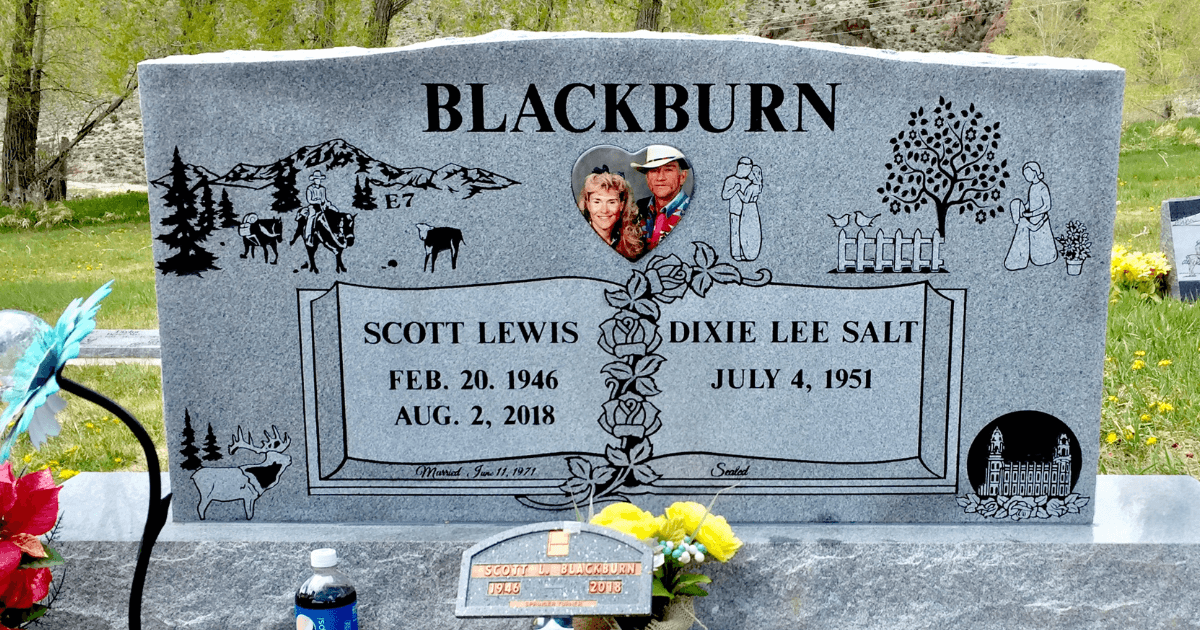
A high-quality photograph is fired onto a porcelain or ceramic tile at extreme temperatures. The result is a smooth, glass-like photo. The tile is then adhered to a recessed area of the headstone using specialized outdoor epoxy or mechanical anchors.
Lifespan: 30–75 years with proper installation. Porcelain is UV-resistant and waterproof. However, the adhesive can eventually weaken after decades of freeze-thaw cycles.
Best for: Color photos. is grayscale; porcelain preserves true-to-life color.
Method 3
Photoceramic (Domed) Emblems
These are flexible, domed emblems created by sealing a photo under a clear resin or polyester dome. They are bonded to the stone with industrial-strength adhesive.
Lifespan: 15–30 years. The resin can yellow or delaminate over time in direct sunlight. Adhesive failure is also possible in extreme climates.
Best for: Temporary or smaller memorials, or as an internal keepsake rather than a permanent outdoor fixture.
Will Headstone Photos Last? The Honest Truth
Yes — but only if you choose the right method and materials.
cycles cause water to seep behind a poorly sealed plaque, freeze, expand, and pop it loose. UV radiation fades cheap resins and low-quality prints within 5–7 years. Improper adhesives — like standard hardware store epoxy — fail where monument-grade products hold.
At Richfield Monuments, we refuse to cut corners. We use on premium for black-and-white or sepia images, weather-tested UV-stable adhesives for porcelain plaques, and recessed mounting so no edge is exposed to pry bars or ice.
How to Ensure Your Headstone Photos Last Generations
Choose . Marble and limestone are too soft for and can discolor porcelain adhesives.
Avoid domed resin for primary outdoor memorials. Use it only for small, protected applications.
Trust a local monument company. Richfield Monuments does all work in-house — no subcontractors, no mystery adhesives.
Clean gently. Harsh chemicals like bleach or vinegar degrade sealants. Use mild soap and soft cloths.
What Richfield Monuments Recommends
Want absolutely permanent? Get a laser-etched portrait. You will never replace it. Your grandchildren's grandchildren will see it.
Need full color? Get a high-quality , professionally recessed and epoxied. Expect to check it around year 50.
On a strict budget? A smaller laser-etched photo is cheaper than any plaque in the long run because it never needs repair.
photos can last over a century — if attached correctly. is immortal. Porcelain is longevity-plus-color. Resin domes are temporary.
At Richfield Monuments (family-owned since 1895), we do not gamble with memories. Every photo attachment we perform is designed for your lifetime and beyond. Walk through our showroom and see 100-year-old monuments with etchings as crisp as the day they were made. That is not luck. That is craftsmanship.