How to Review a Headstone Proof Before You Approve It
Designing a headstone is an important way to honor someone you love. Every name, date, symbol, and carefully chosen word contributes to a memorial that family and friends may visit for generations.
Before the monument is engraved, you'll typically have an opportunity to review a design proof. This is one of the most important steps in creating a personalized headstone because it allows you to check the details and request corrections before production begins.
At Richfield Monuments, we understand that reviewing a memorial design can feel emotional, especially when you're making decisions after losing someone close to you. Taking a little extra time to examine the proof can help you feel more confident about the finished monument.
Here is a practical checklist to guide you through the process.
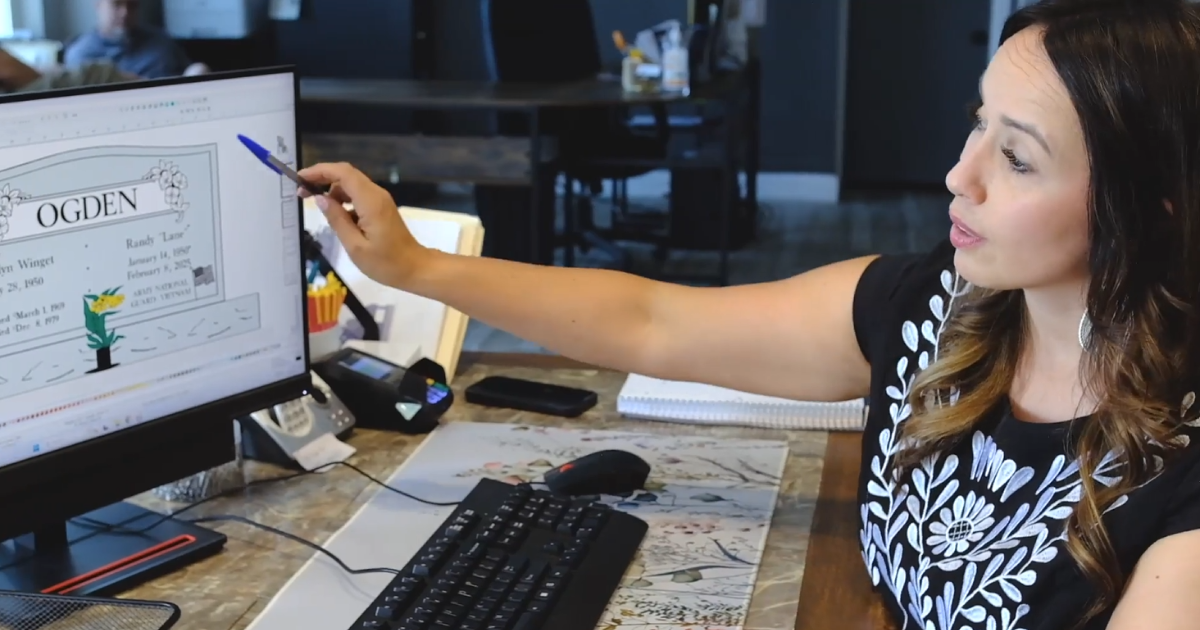
What Is a Headstone Design Proof?
A headstone proof is a preliminary representation of how the finished memorial is intended to look. Depending on the design process, it may show the monument's shape, lettering, names, dates, artwork, and overall arrangement.
The proof helps you visualize how the different elements work together before they are permanently engraved into granite.
It is important to remember that a proof is not necessarily an exact photographic representation of the finished stone. Granite color, natural variations, engraving depth, and lighting may affect the final appearance.
If you're unsure what a particular element represents, ask your monument designer for clarification before approving it.
Check Every Name Carefully
Begin with the most important information: the names appearing on the headstone.
Review each name letter by letter, including:
- First, middle, and last names
- Maiden names, if included
- Nicknames or preferred names
- Suffixes such as Jr., Sr., or III
- Hyphens, apostrophes, and unusual spellings
Avoid assuming a name is correct simply because it looks familiar.
A helpful approach is to compare the proof against a reliable document or family record rather than checking it from memory.
If the monument will eventually include a spouse's name, make sure the current and future lettering arrangements are clearly understood.
Verify Birth and Death Dates
Even a small mistake in a date can become a lasting concern once it is engraved.
Check the birth and death dates individually, paying attention to the month, day, and year.
Also review the chosen date format. For example, a memorial might use:
- January 12, 1948 – March 6, 2025
- Jan. 12, 1948 – Mar. 6, 2025
- 1948 – 2025
There isn't one format that every family must use. What matters is accuracy, consistency, available space, and any applicable cemetery requirements.
If multiple family members appear on one monument, make sure the dates are associated with the correct names.
Review Family Relationships and Personal Wording
Many headstones include phrases that express family relationships or affection.
Examples include "Beloved Mother," "Devoted Husband," or "Forever in Our Hearts."
Read these phrases as carefully as you would the names and dates.
Ask yourself whether the wording accurately reflects the person being remembered and whether the family is comfortable with the message.
If the memorial includes several family roles, consider whether the order and wording feel natural.
A meaningful inscription does not need to be long. A few thoughtfully chosen words can communicate love, gratitude, faith, or remembrance.
For additional inspiration, see our article on designing a unique and timeless headstone.
Double-Check Scripture, Quotations, and Epitaphs
If your design includes a Bible verse, religious quotation, poem, or personal saying, verify the exact wording.
For scripture references, check:
- Book name
- Chapter and verse numbers
- Spelling and punctuation
- Whether the quotation matches the intended translation
- Whether the wording is complete or intentionally shortened
For example, a reference to Psalm 23 should be checked against the specific verse the family wants to include.
Do not rely solely on a remembered phrase, particularly when several translations or versions exist.
If you are using a quotation from a poem, song, or other published work, ask about any copyright or reproduction considerations before finalizing the inscription.
Examine the Artwork and Symbols
Artwork often makes a headstone feel personal.
Families may choose floral designs, religious symbols, landscapes, meaningful objects, or other images that reflect a loved one's life.
When reviewing the proof, consider:
- Is the correct artwork included?
- Is it positioned where you expected?
- Does the image feel proportionate to the lettering?
- Are important details visible?
- Is the design appropriate for the selected granite?
- Does the artwork accurately represent the intended meaning?
A design that looks beautiful on a computer screen may need adjustments to reproduce clearly on stone.
If you're considering a portrait or detailed engraving, ask how the chosen image will translate to the finished granite.
For military memorials, the U.S. Department of Veterans Affairs explains authorized inscription elements for government-furnished headstones and markers. Those requirements differ from the options available for privately purchased monuments.
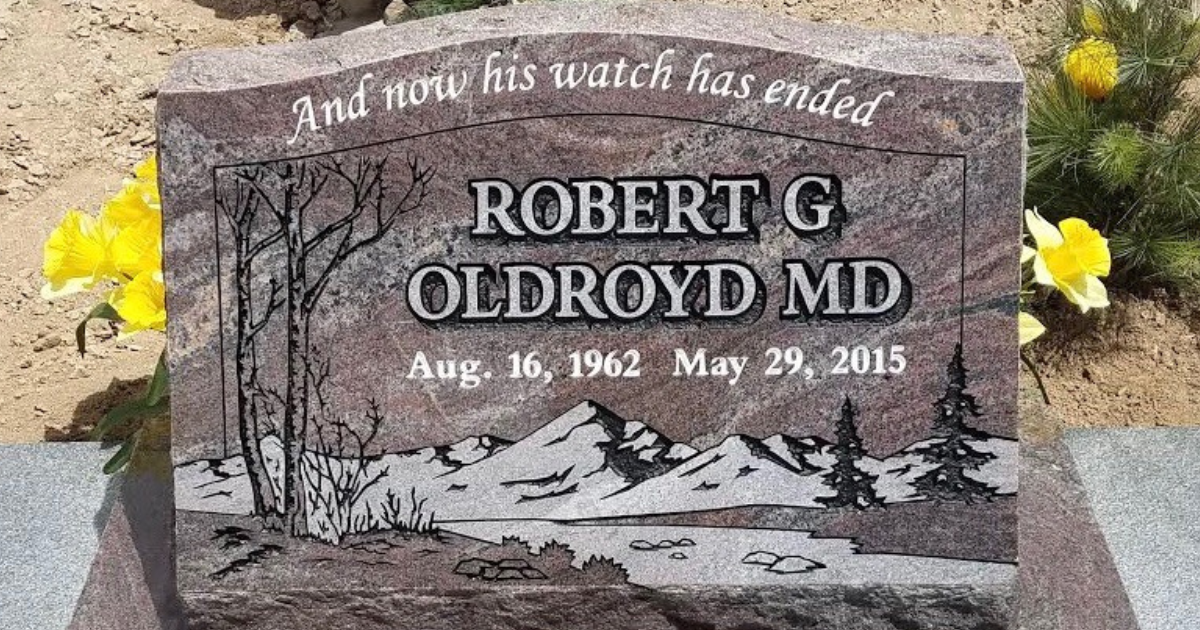
Look at Spacing, Balance, and Readability
After checking the individual details, step back and look at the proof as a complete design.
Does the monument feel balanced?
Are the names easy to identify?
Is the inscription crowded into one area while another area looks unusually empty?
Consider the following:
Letter size
The lettering should be appropriate for the size and style of the memorial. Ask your monument designer whether the finished letters will be easy to read.
Spacing
Check the spaces between names, dates, symbols, and decorative elements.
Alignment
Notice whether the text is centered, aligned consistently, or intentionally arranged in a particular way.
Future additions
If the headstone is designed for two people, confirm that the layout accounts for any future lettering the family expects to add.
For more background on choosing durable, readable memorial materials, explore our guide to headstone materials and their meaning.
Confirm the Cemetery's Requirements
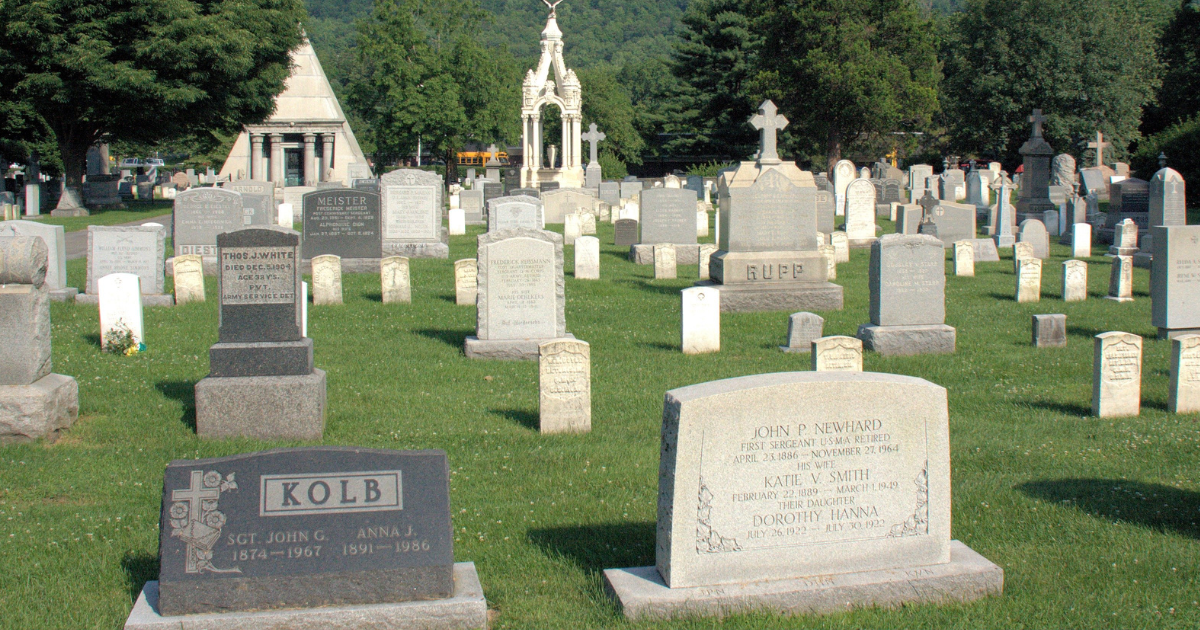
Before giving final approval, make sure the proposed monument complies with the cemetery's rules.
Requirements can vary by cemetery and sometimes by section within the same cemetery.
Depending on the location, restrictions may address:
- Monument dimensions
- Upright versus flat markers
- Permitted materials
- Base and foundation specifications
- Placement and orientation
- Decorative features or attached accessories
Do not assume that a style allowed in one Utah cemetery will automatically be accepted in another.
Ask whether the monument's size, style, and installation details have been checked with the cemetery.
The National Park Service's cemetery preservation guidance also emphasizes obtaining cemetery permission before performing work on memorials.
Ask Questions Before You Sign Off
A headstone proof should give you confidence, not leave you guessing.
If something looks different from what you discussed, ask for an explanation.
You may want to clarify:
- Whether the granite color and finish match your selection
- Whether the proof reflects the actual monument dimensions
- How the engraving and artwork will appear on the finished stone
- Whether requested changes have been incorporated
- What happens after approval
- Whether changes are possible once production begins
It is better to ask an extra question now than to discover a misunderstanding after the monument has been engraved.
Have Another Family Member Review the Proof
When possible, consider asking another trusted family member to look over the design.
A second person may notice a spelling error, missing detail, or date discrepancy that was overlooked during the first review.
This can be especially helpful when a memorial includes several names, a long inscription, or information from multiple generations.
However, make sure the family understands who has the authority to approve the final design. Too many conflicting changes can create confusion.
Final Headstone Proof Approval Checklist
Before approving your memorial design, make sure you can confidently answer yes to each question:
- Are all names spelled correctly?
- Are birth and death dates accurate?
- Are family relationships and personal phrases correct?
- Are scripture references and quotations verified?
- Is the artwork appropriate and correctly positioned?
- Is the lettering readable and evenly arranged?
- Is sufficient space reserved for any planned future information?
- Are the granite selection, monument dimensions, and finish understood?
- Have applicable cemetery requirements been confirmed?
- Have all requested revisions been included in the final proof?
A Thoughtful Review Helps Create a Lasting Tribute
Approving a headstone design is more than checking a document. It is an opportunity to make sure a memorial expresses the love, identity, and memories your family wants to preserve.
You do not have to rush through that decision.
At Richfield Monuments in Richfield, Utah, we help families explore personalized granite memorials and make thoughtful design choices. Whether you are planning ahead or honoring someone who has passed away, we're here to help you understand the process.
Visit Richfield Monuments to learn more about creating a meaningful memorial and discussing your design with our team.