Where The Phrase "Set In Stone" Came From
We use the phrase "set in stone" constantly — meaning something fixed, unalterable, permanent. But where did it come from? Ancient peoples' use of stone for their most important inscriptions — laws, religious texts, memorials — gives the phrase its weight. Here's the history.
Where The Phrase "Set In Stone" Came From
Stone was the ancient world's most permanent medium. When something needed to last — a law, a treaty, a record of the dead, a religious injunction — it was cut into stone. The medium communicated the permanence of the message.
The contrast being drawn was with other materials: wax tablets, clay tablets, papyrus, wood — all of which could be altered, erased, or destroyed. Stone could not. To "set something in stone" meant to commit it to a form that could not easily be changed.
Possible Historical Context
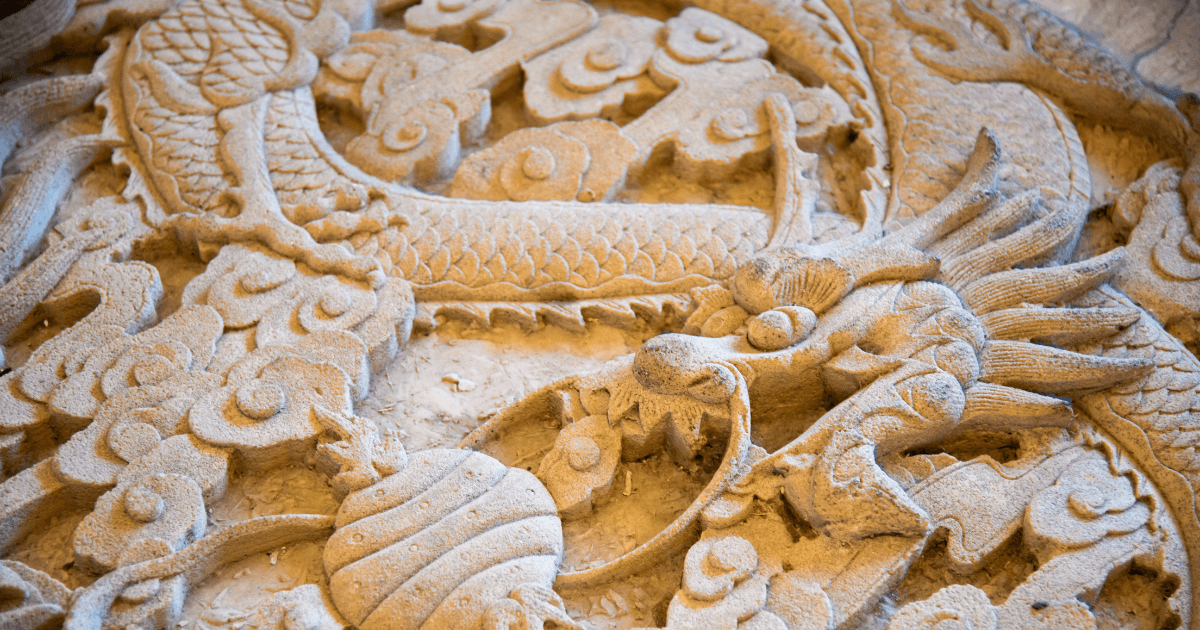
The most famous stone inscriptions in Western history include the Ten Commandments (given to Moses on stone tablets, according to Exodus), the Code of Hammurabi (inscribed on a large basalt stele around 1754 BCE), the Rosetta Stone (a decree in three scripts from 196 BCE), and countless Roman dedicatory and legal inscriptions cut into stone throughout the empire.
Each of these represents the use of stone to communicate permanence and authority. The laws of Hammurabi were inscribed in stone precisely because stone communicated that the law was fixed — not to be revised by the next ruler's whim.
- Code of Hammurabi (c. 1754 BCE): 282 laws inscribed on a basalt stele
- Commandments on stone tablets: the scriptural archetype of law inscribed in stone
- Roman stone inscriptions: laws, dedications, and memorials throughout the empire
- Funerary inscriptions: the use of stone to permanently record the lives of the dead
Possible Religious Context
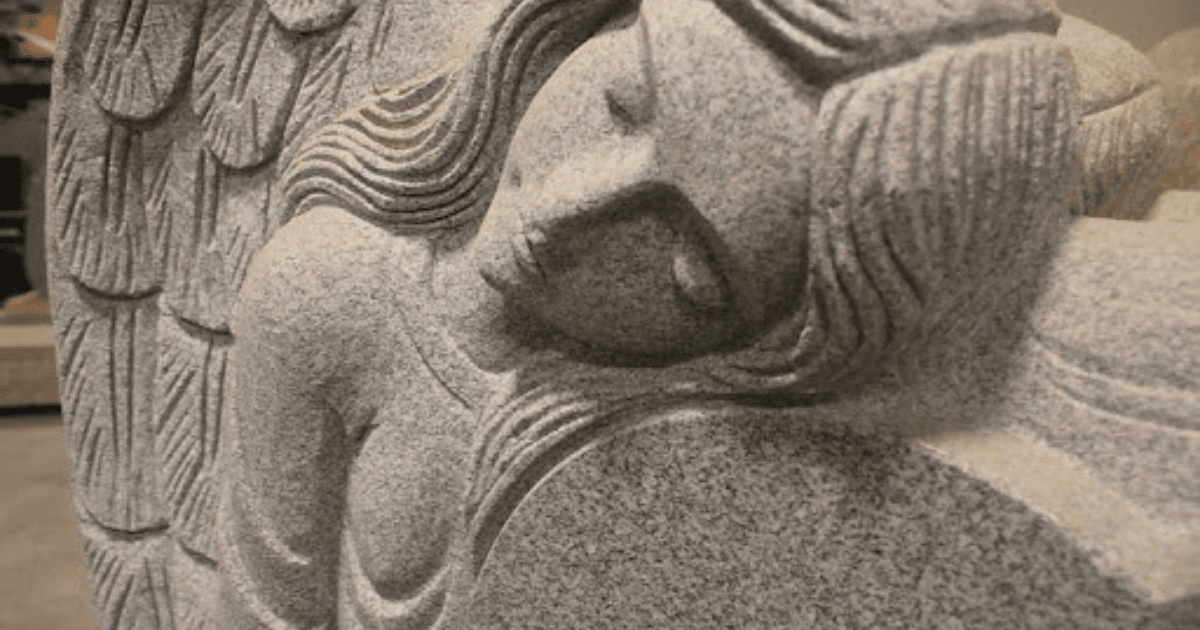
The Judeo-Christian tradition specifically describes divine law as written on stone — "And he gave to Moses, when he had finished speaking with him on Mount Sinai, the two tablets of the testimony, tablets of stone, written with the finger of God" (Exodus 31:18). This gave stone a sacred valence in Western culture: what is written in stone carries divine permanence.
Funeral monuments participated in this tradition. Families inscribing the names and faith of their dead in stone were claiming a kind of permanence for those lives — committing them to a medium that resisted the passage of time.
Stone and Memory
The phrase "set in stone" has outlasted the cultures that used stone writing most extensively, because its core meaning remains true: stone endures when other materials fail. Headstones participate in this ancient tradition directly — families entrust the memory of their loved ones to stone because they understand, instinctively, that stone lasts.
When Richfield Monuments cuts a name and date into , we're participating in a tradition that stretches back to the earliest human civilizations. The medium communicates what words alone cannot: this life mattered, and it will be remembered.