Cemetery Rules That Can Affect Your Monument
Choosing a monument for a loved one is a personal decision, but there is one practical step families should take before settling on a design: check the cemetery's rules.
Cemeteries can have specific requirements for monument size, materials, style, foundation, placement, and installation. Those cemetery monument rules can vary from one cemetery to another, so a design permitted at one location may not be allowed at another.
For families in Central Utah, understanding these requirements early can make the monument process much easier. Before ordering a headstone, confirm the cemetery's regulations and share that information with your monument provider.
Why Cemetery Regulations Matter
A monument becomes a permanent part of a cemetery, which means it must meet the requirements established for that property.
Cemetery regulations may determine the type of memorial that can be installed, how much space it can occupy, and how it must be secured. Some cemeteries also apply different standards by section, plot type, or burial space.
Because of this, families should not assume a particular monument style or size will automatically be approved in every cemetery.
If you are beginning the design process, browsing the Richfield Monuments design gallery can help you explore styles and options before matching those ideas to cemetery requirements.
Common Cemetery Headstone Rules to Know
While every cemetery sets its own policies, most monument restrictions fall into several recurring categories.
- size requirements, including maximum height, width, and monument footprint.
- Monument style restrictions, such as whether upright monuments are allowed or lawn-level markers are required.
- Material and finish restrictions, including approved colors, polished or honed finishes, and accessory limitations.
- standards defining how monuments must be supported and installed.
- Placement rules related to plot boundaries, neighboring graves, and walkway clearances.
- Approval procedures requiring design details before installation can be scheduled.
Headstone Size Requirements
One of the most common monument requirements involves size. Cemeteries may establish maximum dimensions for the monument and base, including overall height, overall width, base dimensions, footprint, spacing from neighboring plots, and setbacks from walkways.
Permitted dimensions can also vary by single burial plots, companion spaces, and larger family areas. Confirming measurements before finalizing a design helps prevent later revisions.
Richfield Monuments offers options including custom upright headstones that can be designed around available space and cemetery requirements.
Monument Style and Design Restrictions
Cemetery regulations may limit the style of monument that can be installed. Some cemeteries permit upright monuments, while others require grass-level markers or restrict specific styles and features.
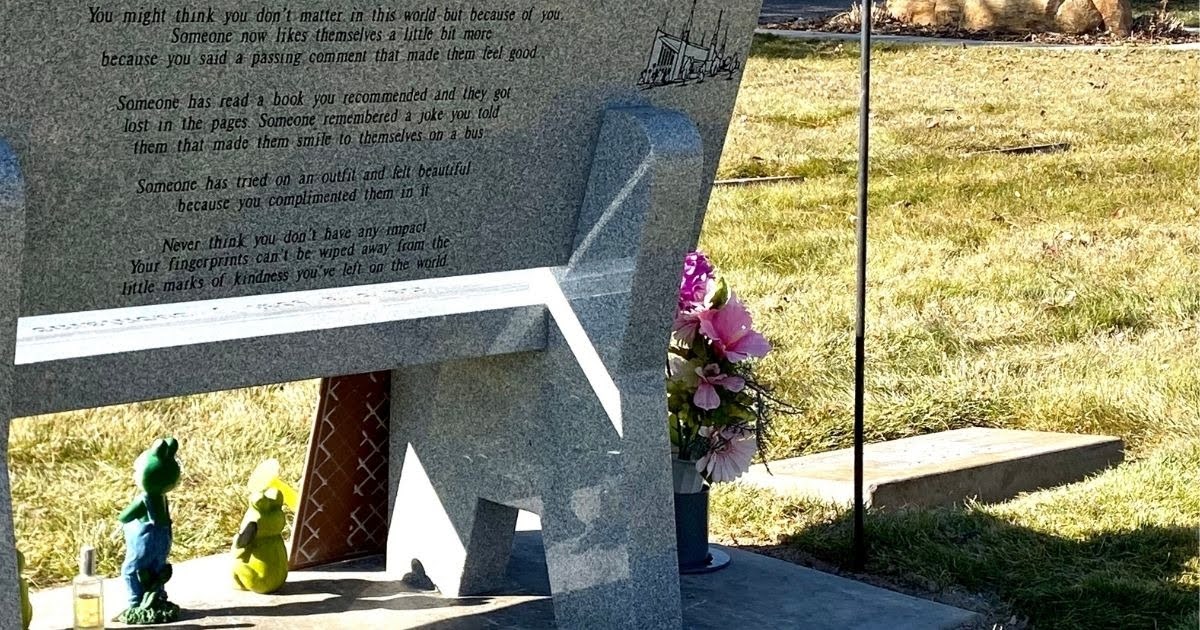
Additional elements such as benches, vases, and specialty monument forms may also require review and approval.
Families can still personalize within those boundaries. The key is selecting a design that satisfies both personal preferences and cemetery rules.
Materials, Granite Colors, and Finishes
Some cemetery restrictions involve material, color, and finish. is a popular monument material because of its durability and wide range of appearance options, but specific selections may still be limited by the cemetery.
Before making a final choice, ask whether there are restrictions on colors, polished or honed finishes, components, decorative elements, and accessories such as vases.
The Richfield Monuments granite and monument collection provides examples of colors, finishes, and custom design directions to discuss with your cemetery.
Cemetery Foundation Requirements
The visible stone is only part of a monument installation. The below it is critical for long-term stability and safety.
Cemetery requirements may specify dimensions, depth, construction methods, reinforcement, and installation procedures. These requirements can influence installation timing and project coordination.
Richfield Monuments explains the process in its guide to headstone foundations and monument installation in Utah.
Monument Placement and Plot Boundaries
Even if a monument meets size requirements, it still must be positioned correctly within the designated burial space. Placement often needs to account for plot boundaries, neighboring graves, walkways, and permanent cemetery features.
Companion and family monuments may require additional planning because they can span multiple spaces.
Before fabrication begins, provide the cemetery name, section, lot, and any plot records so spacing can be confirmed accurately.
Cemetery Approval for Headstones
Many cemeteries require formal approval before a monument is installed. Approval requests may include monument dimensions, material and color, design layout, details, plot location, specifications, and installation plans.
Because the process varies by cemetery, ask about approval requirements early. A monument company can often coordinate this process and reduce administrative stress for families.
Who Sets Cemetery Monument Regulations in Utah?
It is important to distinguish between Utah law and individual cemetery rules. Utah has laws governing funeral services and related merchandise, and Utah Code Section 58-9-102 includes monuments and grave markers among property that may be part of preneed funeral arrangements.
However, Utah law does not create a single statewide design standard for every cemetery. Monument size, style, and installation rules are usually set by each cemetery.
For consumer information, families can review the Utah Division of Consumer Protection. The most reliable step is still contacting the cemetery directly for its current monument requirements.
Monument Installation Requirements
Installation procedures may also be regulated by the cemetery. Policies can define who is permitted to install a monument, when work can occur, how equipment accesses cemetery property, and what installation standards must be met.
Working with an experienced monument provider helps ensure the memorial is approved and installed according to cemetery procedures before placement is scheduled.
A Simple Checklist Before Ordering a Headstone
Before approving a design, ask your cemetery these questions:
- What monument styles are permitted?
- What are the maximum height and width?
- Are there specific base or footprint requirements?
- Are there restrictions on colors or finishes?
- Are benches, vases, or other accessories allowed?
- What specifications must be followed?
- Who is responsible for the ?
- Does the cemetery require design approval?
- Are there application or installation fees?
- Who is permitted to install the monument?
- Are there rules about inscriptions, artwork, photographs, or symbols?
- Are there different requirements for companion or family monuments?
How a Monument Company Can Help
Families should not have to navigate every cemetery rule alone. An experienced monument company can review cemetery requirements, develop a compliant design, and coordinate the details needed for installation.
Richfield Monuments has served families in Central Utah since 1895 and provides design, custom monument work, and cemetery installation coordination. If you are still exploring options, the design gallery is a useful place to compare styles before final cemetery review.
Check the Cemetery Rules Before Ordering Your Monument
The most important thing to remember is that cemetery requirements are not universal. Size, material, style, specifications, placement, approval, and installation procedures can all vary by location.
Taking a few minutes to contact the cemetery before ordering can prevent delays, reduce revisions, and make the monument selection process significantly smoother.
If you are planning a or monument in Central Utah, contact Richfield Monuments for a consultation and quote. Sharing cemetery name and plot information early helps the team guide your project more efficiently.