Common Headstone Frustrations and How to Avoid Them
Choosing a headstone is an important part of remembering a loved one, but the process can sometimes come with unexpected challenges. From waiting for a memorial to be installed to discovering maintenance concerns years later, families may encounter situations they weren't prepared for.
Understanding these common frustrations before purchasing a headstone can help families make informed decisions, ask the right questions, and avoid unnecessary complications.
Waiting Longer Than Expected for Installation
One of the most difficult experiences families describe is visiting a loved one's grave months after burial and finding that a permanent headstone still hasn't been installed.
Headstone production and installation timelines can vary depending on the monument's design, material availability, engraving requirements, cemetery regulations, and weather conditions.
In Central Utah, frozen ground and seasonal cemetery installation schedules may also affect when a monument can be placed.
How to avoid frustration:
- Ask about estimated production and installation timelines before placing an order.
- Find out whether the cemetery has seasonal installation restrictions.
- Confirm who is responsible for coordinating the installation.
- Ask whether a temporary grave marker is available while waiting for the permanent memorial.
Although delays aren't always avoidable, understanding the process can help families know what to expect.
Grass and Dirt Covering Flat Grave Markers
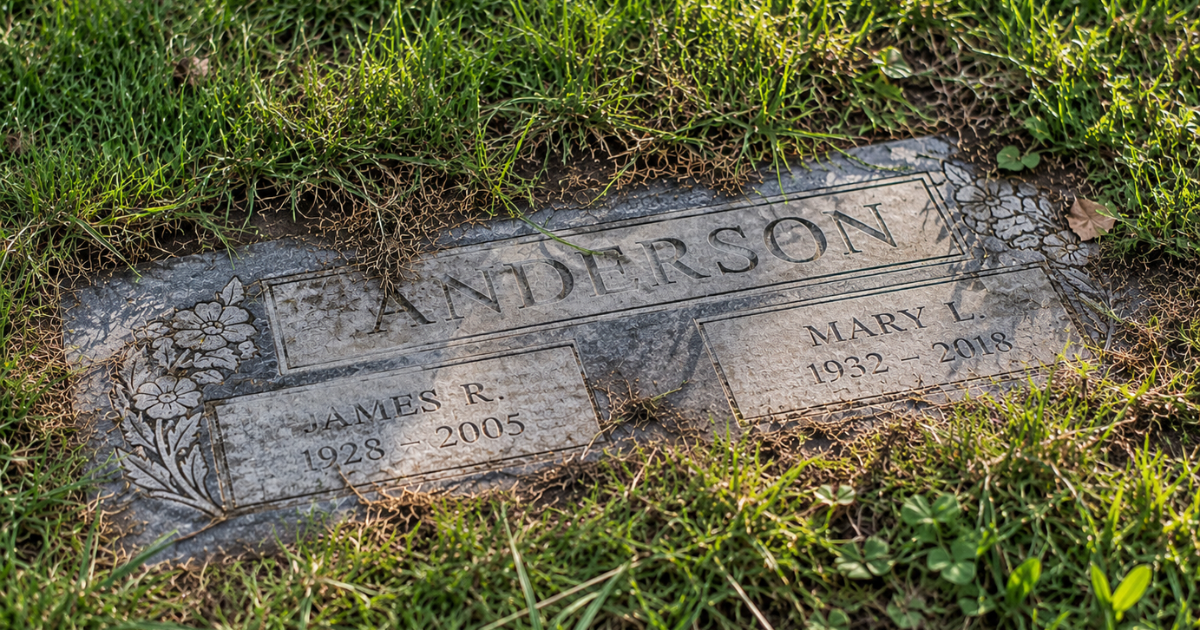
Flat grave markers are a popular memorial option because of their simple appearance and low profile. However, grass, soil, and other debris can gradually cover the edges or lettering.
Over time, a marker may become difficult to locate or read, particularly when grass grows over its borders.
This can be especially frustrating for families who visit a cemetery regularly and want their loved one's memorial to remain visible.
How to avoid frustration:
Before selecting a flat marker, ask the cemetery about its groundskeeping practices and whether families are permitted to maintain the area around individual graves.
When cleaning around a marker, avoid using sharp metal tools directly against the stone, as they can scratch or chip the surface.
Gentle cleaning and careful removal of surrounding vegetation can help keep the memorial visible without causing unnecessary damage.
Unclear Responsibilities for Headstone Maintenance
Many families assume that cemetery maintenance includes cleaning, repairing, and maintaining individual headstones.
However, cemetery groundskeeping and individual monument care are often separate responsibilities.
A cemetery may maintain grass, pathways, and common areas without providing regular cleaning or repairs for privately purchased monuments.
This misunderstanding can lead to disappointment when a headstone becomes dirty, develops staining, or experiences damage.
How to avoid frustration:
Before purchasing a headstone, ask the cemetery:
- Who is responsible for cleaning individual monuments?
- What happens if a headstone becomes damaged?
- Does the cemetery provide monument leveling or repair services?
- Are families allowed to hire outside professionals for monument maintenance?
Understanding these responsibilities early can prevent confusion later.
Choosing a Headstone Without Checking Cemetery Regulations
Not every cemetery allows every type of headstone.
Some cemeteries have specific requirements for monument height, width, materials, foundations, and placement. Certain cemetery sections may only permit flat grave markers, while others allow upright monuments.
Purchasing a memorial without confirming these requirements can lead to unexpected design changes, additional expenses, or installation delays.
How to avoid frustration:
Contact the cemetery before finalizing your headstone design. Ask for its current monument regulations and confirm that the proposed size, style, and material meet the requirements.
Working with an experienced monument provider can also help families consider these restrictions during the design process.
Lettering and Designs That Are Difficult to Read
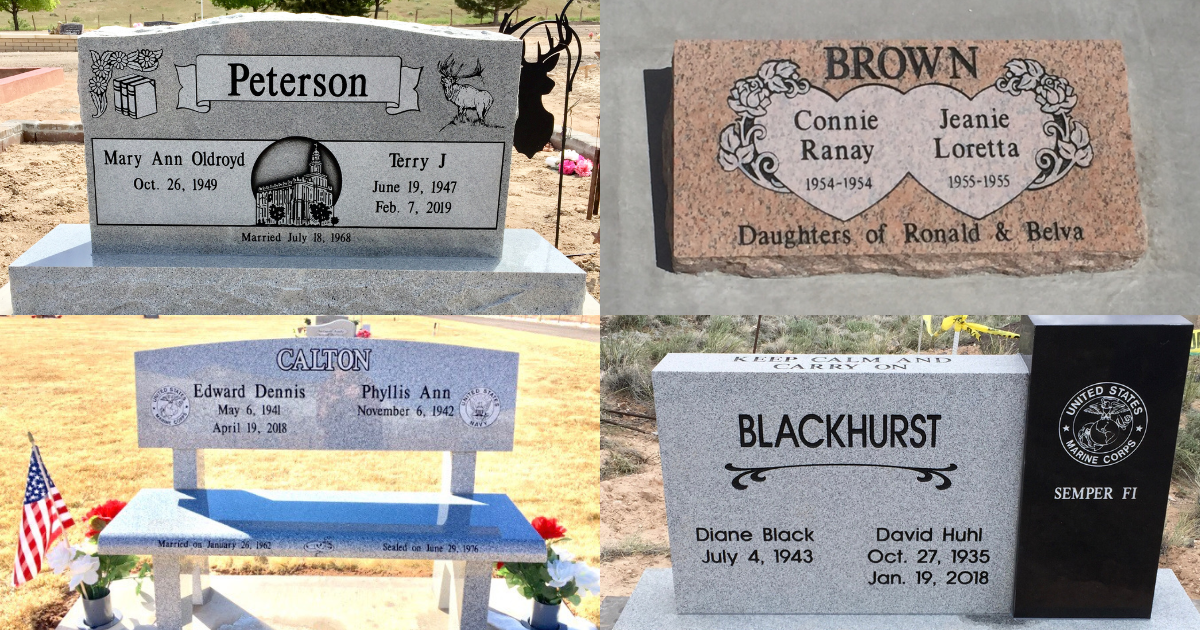
A headstone should preserve important information for generations, but not every lettering style or design remains equally readable under different conditions.
Small lettering, limited contrast, crowded inscriptions, and certain decorative elements can make a memorial harder to read.
Lighting, weathering, and the stone's finish may also affect how clearly the engraving appears.
How to avoid frustration:
When designing a headstone, consider readability alongside appearance.
Choose lettering that is appropriately sized, allow enough space between design elements, and review how the inscription will appear on the selected granite color.
It can also help to examine examples of completed monuments rather than relying entirely on digital design previews.
Family Disagreements About Memorial Design
Choosing a memorial can involve several family members, each with different ideas about how a loved one should be remembered.
Some may prefer a traditional granite headstone with simple lettering, while others may want religious symbols, decorative engraving, photographs, or a more personalized design.
Disagreements can become particularly challenging when design decisions are made without clearly establishing who has final approval.
How to avoid frustration:
Whenever possible, discuss memorial preferences before beginning the design process.
Identify who is authorized to approve the monument, confirm the wording and dates together, and review the final design carefully before production begins.
Taking time to communicate can help prevent misunderstandings and costly changes.
Not Knowing What to Do When a Headstone Is Damaged
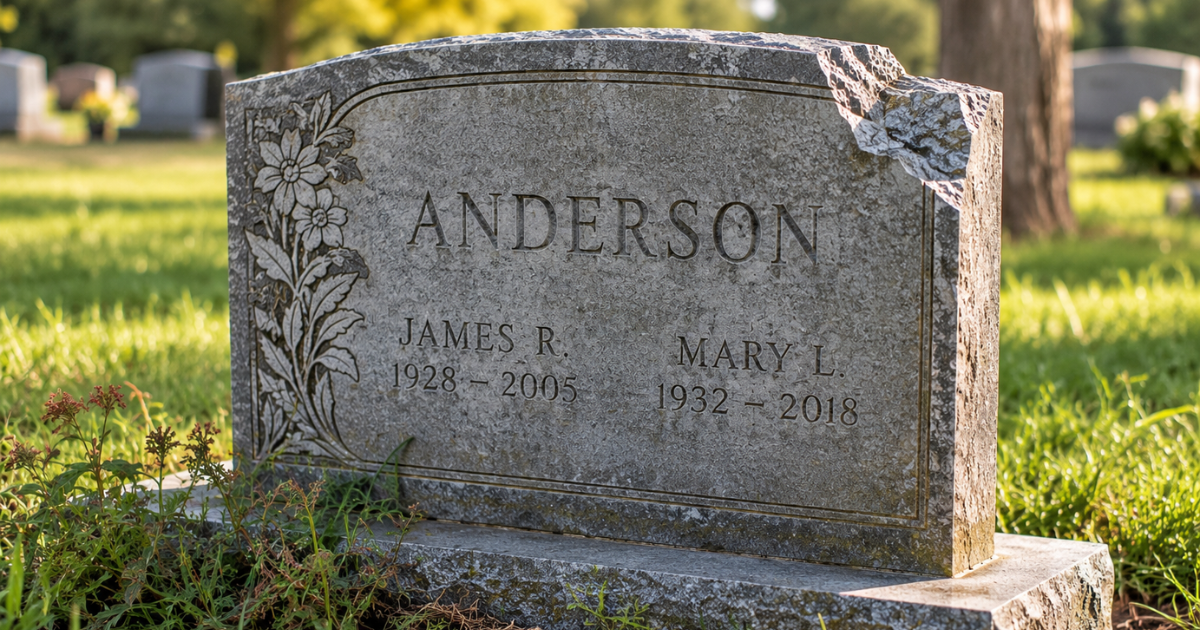
A leaning, cracked, or broken headstone can be upsetting, especially when the damage appears suddenly.
Monuments may experience problems related to ground movement, foundation conditions, accidental impacts, or deterioration of older installation materials.
The appropriate solution depends on the type of monument, the extent of the damage, and the underlying cause.
How to avoid frustration:
If you notice damage, document the condition and contact the cemetery or a qualified monument professional before attempting repairs.
Avoid trying to lift, straighten, or reposition a heavy headstone yourself. Even smaller monuments can present serious safety risks if they become unstable.
A professional evaluation can help determine whether cleaning, resetting, foundation work, or another repair approach may be appropriate.
Plan Ahead to Avoid Common Frustrations
Many common headstone frustrations begin with unanswered questions or misunderstandings about how the process works.
Before purchasing a memorial, take time to discuss design options, cemetery requirements, installation timelines, maintenance expectations, and any potential additional costs.
A carefully planned headstone can provide a lasting place for family members and future generations to remember someone important to them.
Help With Planning a Lasting Memorial
At Richfield Monuments, we understand that choosing a headstone is a meaningful decision. Families deserve clear information and the opportunity to explore memorial options that reflect their loved one's life.
We help families throughout Richfield, Sevier County, and Central Utah consider granite headstone styles, engraving options, personalized designs, and important details involved in planning a memorial.
Whether you're selecting a new headstone or have questions about an existing monument, our team is here to help you explore your options.
Contact Richfield Monuments to learn more about creating a lasting memorial for your loved one.