How Long Does It Take to Design, Make, and Install a Headstone in Utah?
When a family begins planning a memorial, one of the first practical questions is often: How long will it take before the is finished and installed?
There is no single timeline that applies to every monument. A straightforward memorial using available and a simple design may move through the process more quickly than a highly customized monument, a special-order stone, or a project that requires additional cemetery coordination.
As a general industry reference, the Monument Builders of North America says the process of designing and installing a monument usually takes about 8 to 12 weeks, depending on design complexity, material availability, and cemetery schedules. That should be viewed as a planning estimate—not a guaranteed completion date for an individual monument. Find a Monument Builder
At Richfield Monuments, several important steps happen between the first design conversation and the day the finished monument is placed in the cemetery. Understanding those steps can make the waiting period feel much less uncertain.
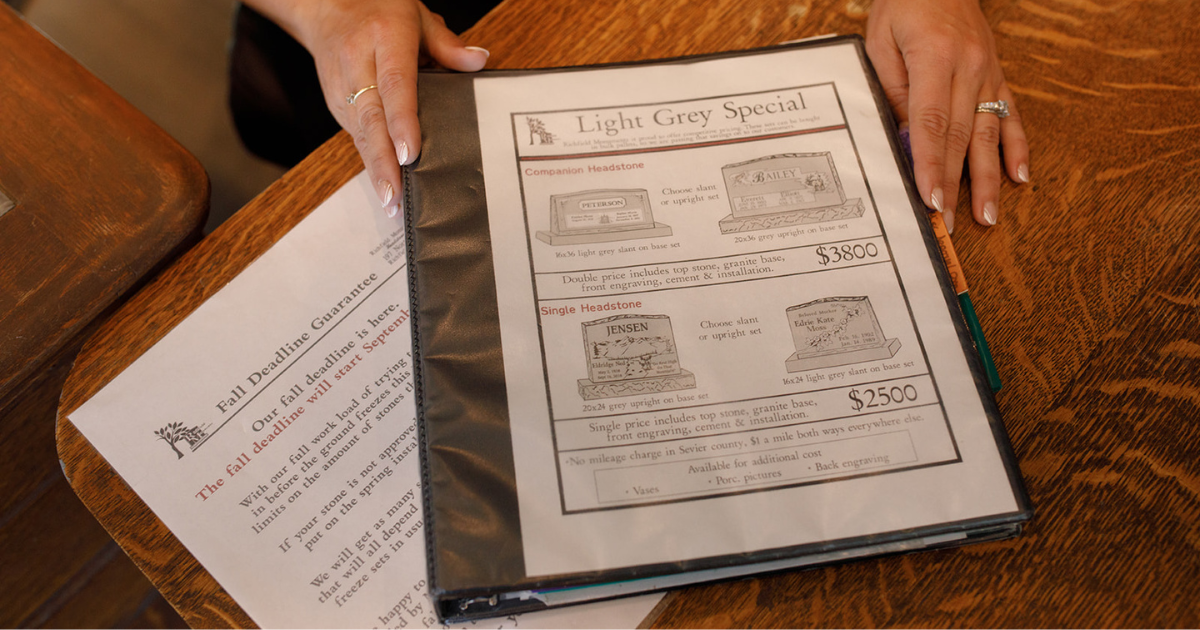
Step 1: Gathering Cemetery and Memorial Information
Before a monument can be designed accurately, the basic information needs to be confirmed.
That usually includes:
- Cemetery name and location
- Plot or grave information
- Name and dates to appear on the monument
- Preferred monument style
- preference
- Inscription wording
- Artwork, symbols, or photographs
- Companion or family information, if applicable
If you are preparing for an appointment, Richfield Monuments' guide to designing a meaningful and timeless can help you think through many of these choices before production begins. Tips for Designing a Unique and Timeless Headstone
Having accurate information at the beginning can prevent avoidable delays later.
Step 2: Confirming the Cemetery's Requirements
One of the biggest variables in a timeline is the cemetery itself.
Cemeteries may have their own requirements concerning monument size, style, materials, foundations, placement, and installation. Richfield City Cemetery, for example, publishes its own policies and procedures for families using the cemetery. Richfield City
Richfield City Cemetery information and policies
Cemetery approval can affect the schedule
Depending on the cemetery, approval may be straightforward or may require additional measurements, paperwork, requirements, or design changes.
Richfield Monuments also recommends checking cemetery restrictions before finalizing a design and notes that cemetery coordination is an important part of the memorial process. Richfield Monuments Blog
Handling those details early can reduce the chance of discovering later that a chosen monument does not meet the cemetery's requirements.
Step 3: Creating and Reviewing the Design Proof
Once the monument style and cemetery requirements are understood, the design can be developed.
A proof gives the family an opportunity to see how the memorial will look before permanent or carving begins.
The proof may include:
- Names and dates
- Font and lettering style
- or
- Religious or personal symbols
- Borders and decorative elements
- Portraits or photo etching
- Landscape artwork
- Placement of each design element
This stage should not be rushed.
A few additional days spent carefully checking spelling, dates, spacing, and artwork can prevent much more difficult corrections later.
Before approving a proof, everyone responsible for the monument should carefully review the information. Once lettering and artwork are permanently placed into the , changes can become considerably more involved.
What Can Slow Down the Design Stage?
Design time can increase when a family is deciding between several options or when multiple relatives need to approve the final layout.
Additional time may also be needed for:
- Custom artwork
- Photo preparation
- Handwritten signatures or special graphics
- Longer inscriptions
- Companion monuments
- Family monuments
- Unusual stone shapes
- Cemetery-required design changes
None of these are necessarily problems. They simply require additional planning.
For most families, getting the design right is more important than rushing through this stage.
Step 4: Granite Availability and Monument Preparation
Once the proof is approved, the physical monument must be prepared.
This is another point where timelines can vary.
If the selected , size, and shape are readily available, production may be able to move forward sooner. If a family chooses a special color, unusual size, custom shape, or material that must be ordered, additional time may be necessary.
is widely used for memorials because of its durability and its ability to accommodate detailed lettering, carving, and artwork. Richfield Monuments explains the different memorial materials and their characteristics in its guide to materials. Richfield Monuments Blog
What Are Headstones Made Of? A Guide to Materials and Their Meaning
If timing is especially important to your family, ask about the availability of your preferred before finalizing the design.
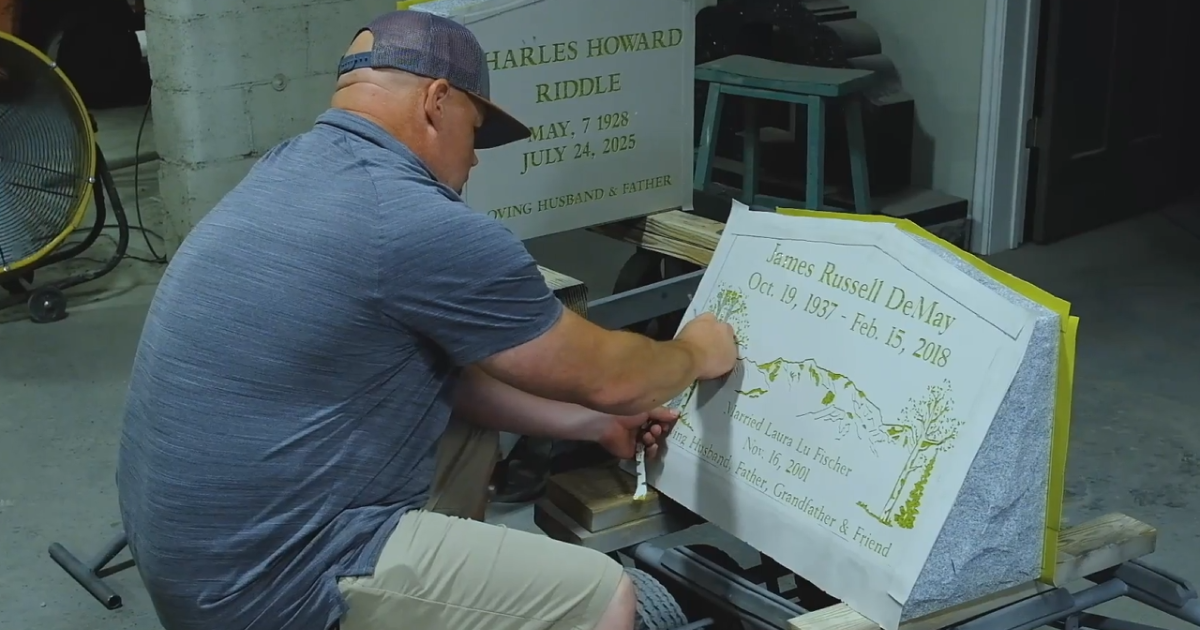
Step 5: Engraving, Sandblasting, and Custom Artwork
After the is ready, the approved design can be permanently transferred to the stone.
Depending on the memorial, this may include:
- Sandblasted lettering
- Carved designs
- Religious symbols
- Floral artwork
- Landscape scenes
- Portraits
- Custom illustrations
Richfield Monuments describes its monument work as an in-house process that includes design, carving, sandblasting, and installation. Richfield Monuments Blog
Naturally, the complexity of the design can affect production time.
A simple marker containing names and dates may require less production work than a highly customized upright monument featuring detailed artwork across several surfaces.
Step 6: Preparing the Headstone Foundation
A finished monument cannot simply be placed onto cemetery soil.
The support beneath it matters.
A properly prepared helps distribute the monument's weight and provides a stable surface beneath the stone. Cemetery requirements can determine how the must be prepared.
Richfield Monuments explains this part of the process in detail in its guide to foundations in Utah. Richfield Monuments Blog
What Is a Headstone Foundation and Who Handles It in Utah?
preparation can add time to the project because it involves site preparation, cemetery coordination, concrete work, and suitable conditions for installation.
Step 7: Scheduling Delivery and Cemetery Installation
Once the monument is finished and the cemetery site is ready, installation can be scheduled.
Even at this final stage, timing may depend on factors outside the family's control.
Cemetery scheduling
A cemetery may have procedures governing when monument installers can enter the grounds or when new monuments can be placed.
Ground conditions
Heavy rain, snow, frozen soil, excessive mud, or other unsafe site conditions may postpone or installation work.
Seasonal conditions
Utah weather can influence when cemetery work can safely be completed. Conditions can vary significantly depending on location and elevation.
Equipment access
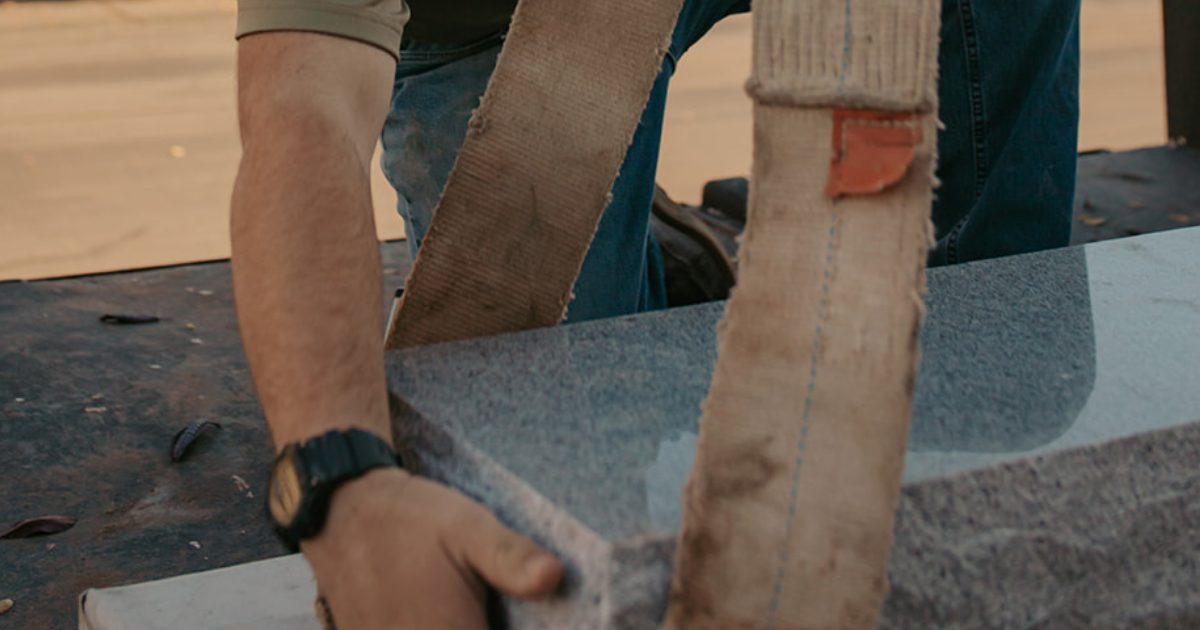
Large monuments are extremely heavy and require specialized equipment. Installers need adequate and safe access to the gravesite.
Why a Headstone Timeline Is Better Viewed as a Process Than a Deadline
Families sometimes worry when a permanent monument is not installed immediately after the funeral.
But a permanent is very different from a temporary grave marker.
It is being created to remain in place for generations.
The process may involve design decisions, cemetery verification, proof approval, preparation, permanent , work, transportation, and professional installation.
Each step contributes to the accuracy, appearance, and long-term stability of the finished memorial.
It is usually better to allow adequate time for thoughtful decisions than to rush a permanent monument simply to meet an arbitrary date.
What Families Can Do to Help Keep the Project Moving
Some parts of the timeline depend on the monument company, material availability, cemetery, or weather. However, families can help prevent unnecessary delays.
Provide cemetery information early
Knowing the exact cemetery and burial location makes it easier to determine the rules that apply to the monument.
Double-check names and dates
Provide complete and accurate spelling and dates whenever possible.
Gather artwork early
If you want a portrait, farm scene, mountain landscape, religious symbol, military emblem, or other custom artwork, mention it early in the design process.
Review proofs carefully but promptly
Take enough time to make a confident decision, but once everyone agrees, return the approved proof so the next stage can begin.
Ask about granite availability
If you have a particular color or monument style in mind, ask whether it is readily available or needs to be ordered.
Mention important dates
If you hope to have a monument installed before Memorial Day, an anniversary, birthday, family gathering, or another meaningful occasion, mention that goal at the beginning.
A particular installation date may not always be possible to guarantee, but discussing it early gives everyone more time to plan.
So, How Long Should You Expect?
A useful industry starting point is approximately 8 to 12 weeks from design through installation, but that range is only a general guideline. Find a Monument Builder
Your particular may take less or more time depending on:
- Design complexity
- Family revisions
- availability
- Custom artwork
- Monument size
- Production scheduling
- requirements
- Cemetery scheduling
- Weather and ground conditions
The most useful timeline is therefore the one based on your actual monument, cemetery, selection, and design.
A Thoughtful Memorial Is Worth Doing Carefully
Families often remember the day a is installed because it creates a permanent place where a loved one's name, life, and memory are represented in stone.
Getting to that day involves much more than a name onto .
There is design work. There is careful review. There is cemetery coordination. There is craftsmanship. There is preparation. And finally, there is professional installation.
Richfield Monuments helps families throughout Central Utah move through those decisions with a clearer understanding of what happens next.
If you are beginning a memorial and wondering how long your particular may take, contact Richfield Monuments with your cemetery information and design ideas. The team can help you understand the steps involved and the factors that may affect the timeline for your specific memorial.