What Is a Temporary Grave Marker and Should You Get One?
After a burial, many families don't immediately install a permanent headstone. During that interim — which can range from weeks to years — a temporary grave marker serves as the only visual identifier for the gravesite. Understanding what these markers are, when to use one, and how the transition to a permanent memorial works helps families plan without unnecessary stress.
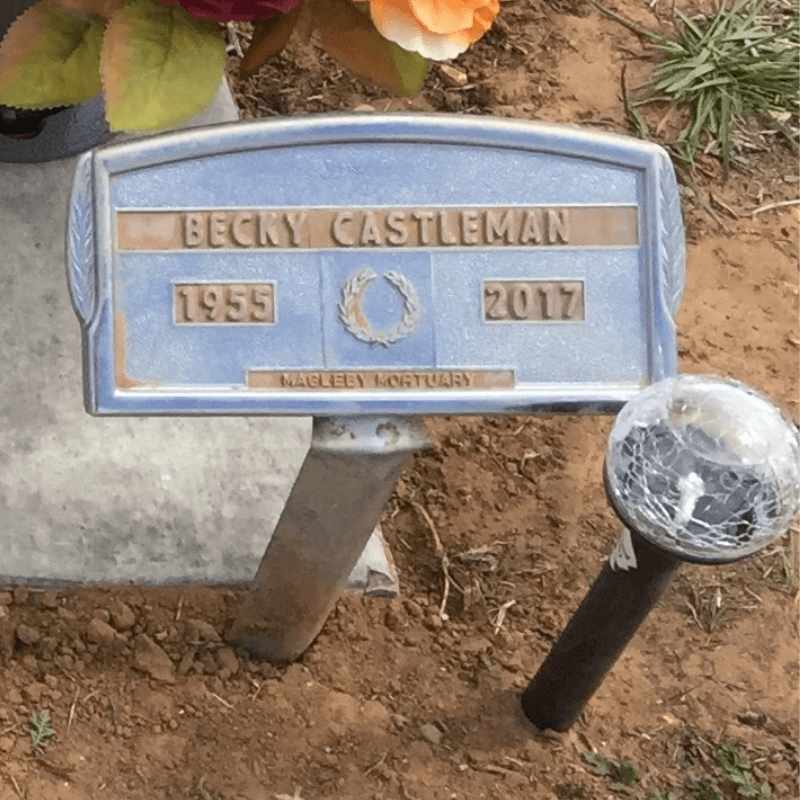
What Is a Temporary Grave Marker?
A temporary grave marker is a small, low-cost identifier placed at a gravesite until a permanent is installed. Most are made of flat aluminum, steel, wire-mounted wood, or plastic and include the name of the deceased and the dates. They're intended to last months to a few years — not decades.
Funeral homes typically provide a temporary marker as part of their standard service package. Veterans' burials in national or state cemeteries receive a government-issued temporary marker as a standard part of service. In both cases, the marker is always understood to be temporary.
- Usually made of flat aluminum, steel, wire-mounted wood, or plastic
- Typically includes name, birth year, and death year at minimum
- Intended to last months to a few years — not as a permanent solution
- Often provided by the funeral home as part of standard burial services
- Veterans receive a temporary marker from the VA as part of burial benefits
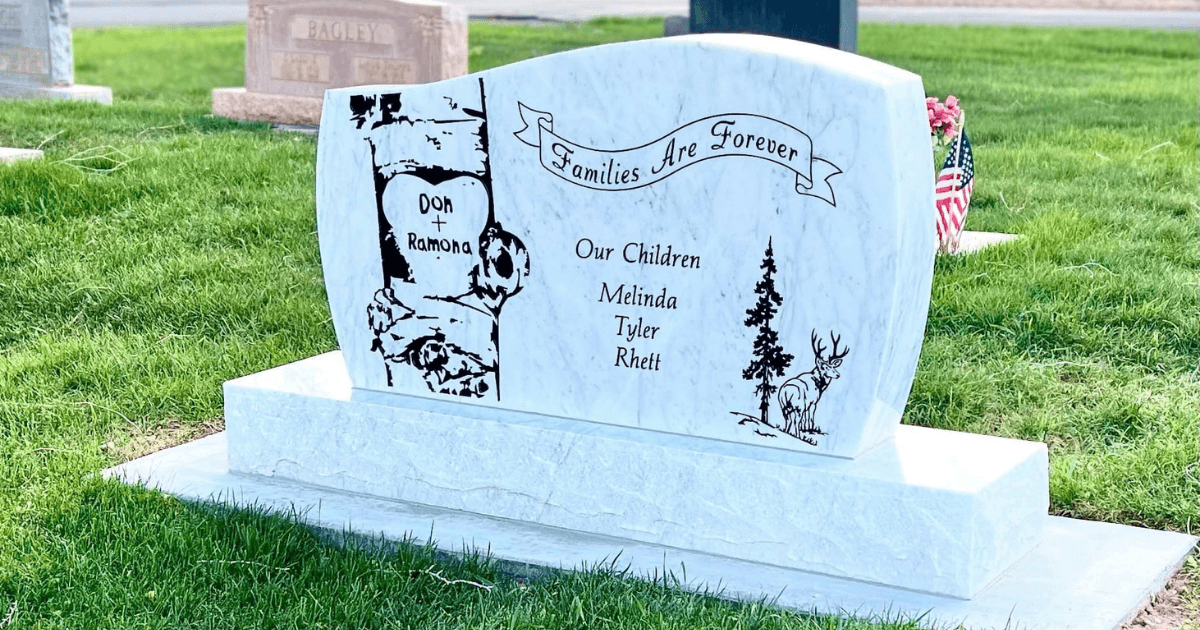
Temporary vs. Permanent: Key Differences
The practical differences between a temporary and permanent marker are significant. Temporary markers fade, rust, bend, and deteriorate in Utah's outdoor climate — most show visible degradation within two or three years. Permanent or markers, properly installed, are designed to last a century or more.
The personal difference matters equally. A temporary marker identifies a grave; a permanent honors a life. Families consistently report that installing the permanent memorial — whatever timeline follows the loss — provides a sense of closure and completion that a temporary marker simply cannot offer.
- Temporary markers typically last 1–5 years before deteriorating significantly
- Permanent markers last a century or more with normal outdoor weathering
- Permanent stones allow full personalization — inscriptions, artwork, symbols, photos
- A permanent memorial provides psychological closure that temporary markers cannot
When Should You Install a Permanent Headstone?
There's no legal deadline for installing a permanent in Utah, but practical reasons exist not to wait too long. Temporary markers deteriorate, some cemeteries become less reliable about unmarked grave tracking over time, and the longer families wait, the harder it can be emotionally to return to the task.
Many families wait 6–12 months after a loss before ordering — time enough for acute grief to settle and for thoughtful decisions about design to emerge. Some wait longer. Some order almost immediately. The right timeline is the one that works for your family.
Richfield Monuments works with families at any stage — immediately after a loss, or returning to the task years later. There is no wrong time to create a meaningful permanent memorial.