How Much Space Do You Need for a Headstone in a Cemetery?
Cemetery plots are finite spaces, and headstones must fit within them. Before ordering a monument, confirming the dimensions of the specific plot — and the cemetery's rules about how much of that space the headstone can occupy — prevents an expensive mistake.
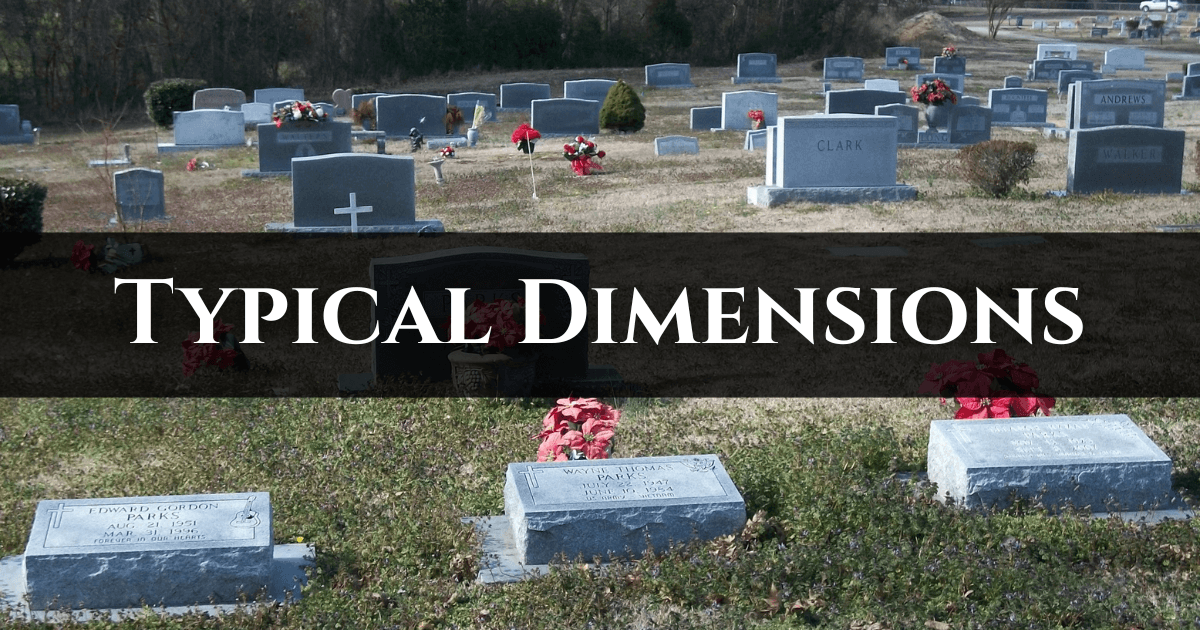
Standard Plot Dimensions in Utah
Utah cemetery plot sizes vary by cemetery and era. Standard single burial plots in established Utah cemeteries are typically 3 feet wide by 8 to 10 feet long, though plots in some historic cemeteries can be narrower or shorter. Double/companion plots (for two individuals side by side) are typically 6 to 7 feet wide.
The available space is less than the total plot space. The monument must leave room for the burial mound or turf, for access by adjacent plots, and for the cemetery's maintenance equipment. Many cemeteries specify the maximum width as a percentage of the plot width.
- Single plots: typically 3 feet wide by 8–10 feet long in Utah cemeteries
- Companion plots: typically 6–7 feet wide
- Cremation plots are often smaller: 2–4 feet wide and 4–6 feet long
- Available monument space is always less than total plot space — confirm the maximum with the cemetery
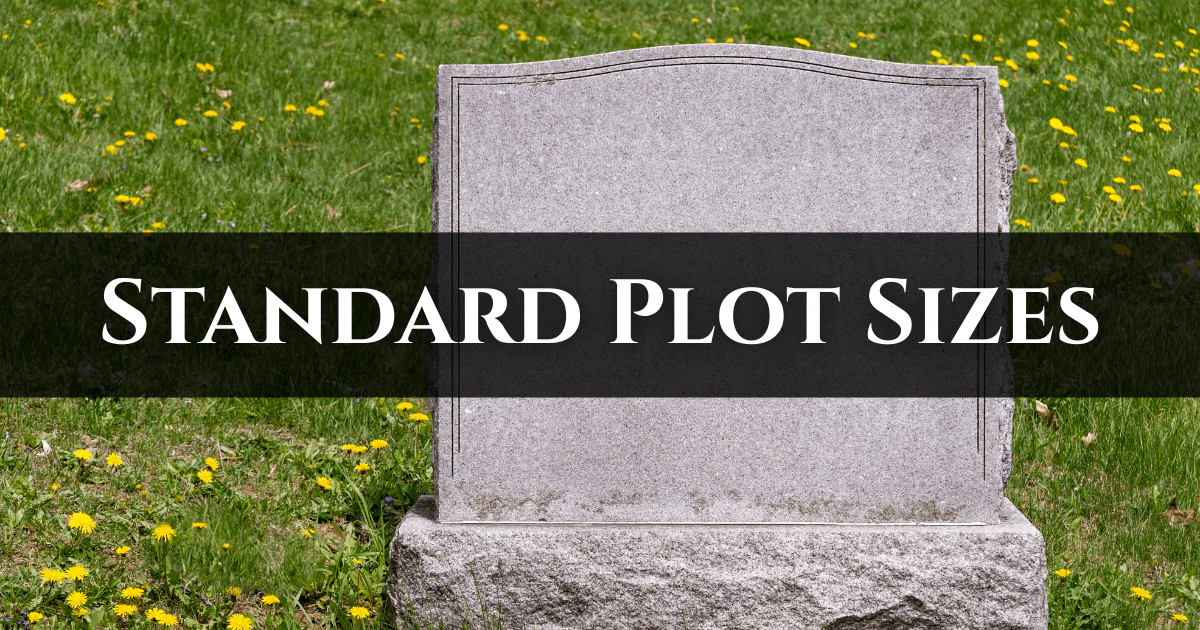
Headstone Size and Plot Size Relationships
Most cemetery regulations specify maximum dimensions relative to the plot. Common requirements include: the monument base must not extend beyond the plot boundary; the monument must be centered on the plot within a specific tolerance; and the total monument footprint (base plus die) must leave a minimum clearance from adjacent plots.
Typical Utah upright monuments for single plots are 20–24 inches wide and 14–18 inches tall (the die), on a base that extends 4–6 inches wider on each side. Flat markers are typically 12–24 inches wide and 24–36 inches long for single plots.
- Monument base must stay within the plot boundary — usually with a small inward tolerance
- Monuments must be centered on the plot within a required tolerance
- Adjacent plot clearance requirements prevent monuments from crowding neighbors
- Companion monuments can often span both plots when both are owned by the same family
A Practical Checklist Before Ordering
Before finalizing any monument order, verify these specific items in writing with the cemetery.
- Exact plot dimensions (width and length)
- Maximum monument width, height, and base dimensions
- Whether an upright or flat marker is required in that section
- Minimum setback from the head-of-plot line (how far back the monument must sit from the grave border)
- Whether a companion-size monument is permitted if you own both adjacent plots
- Foundation requirements — concrete depth, size, and who installs it
- Pre-installation approval process and lead time for submission
Special Cases: Companion and Cremation Plots
Companion plots (two adjacent plots owned by the same family) often allow a single wider monument that spans both spaces, creating a unified memorial rather than two separate stones. This is a common design choice for couples and requires confirmation that the cemetery permits a monument spanning the combined width.
Cremation plots are typically smaller and have proportionally smaller monument allowances. Some Utah cemeteries have dedicated cremation gardens with their own distinct monument size maximums — often limiting markers to flat or plaques rather than upright stones.