What Are Headstones Made Of? Headstone Materials Explained
Headstones have been made from a range of materials throughout history — wood, brick, iron, slate, , and . Today, dominates the industry for good reason, but families sometimes wonder about alternatives: , , natural fieldstone, or sandstone. Here's what each material offers and what to consider for Utah's climate.
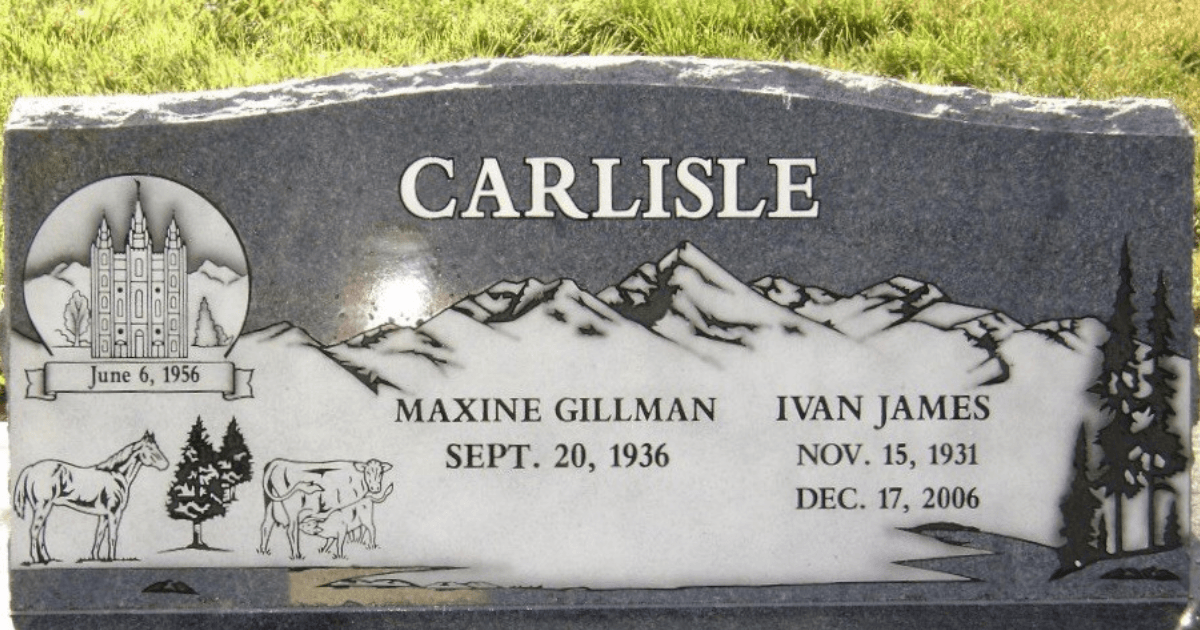
Granite: The Standard for Lasting Memorials
is the most widely used material in the world, and for good reason: it's one of the hardest natural substances, nearly impervious to moisture, resistant to freeze-thaw cycles, and capable of holding engraved detail indefinitely. A well-made installed in Utah today can look essentially unchanged in 100 years.
is available in dozens of natural colors — jet black, gray, pink, blue-gray, mahogany, and more — each with its own character and visual weight. Darker varieties show contrast most crisply and tend to age more gracefully in outdoor cemetery settings.
- Hardness rating of 6–7 on the Mohs scale — far harder than or limestone
- Minimal moisture absorption means it resists damage better than any alternative
- Holds laser-etched and sandblasted detail for a century or more
- Available in jet black, dark gray, blue-gray, pink, mahogany, and many other natural colors
- Can be polished to a mirror finish or left with a sawn, thermal, or honed surface
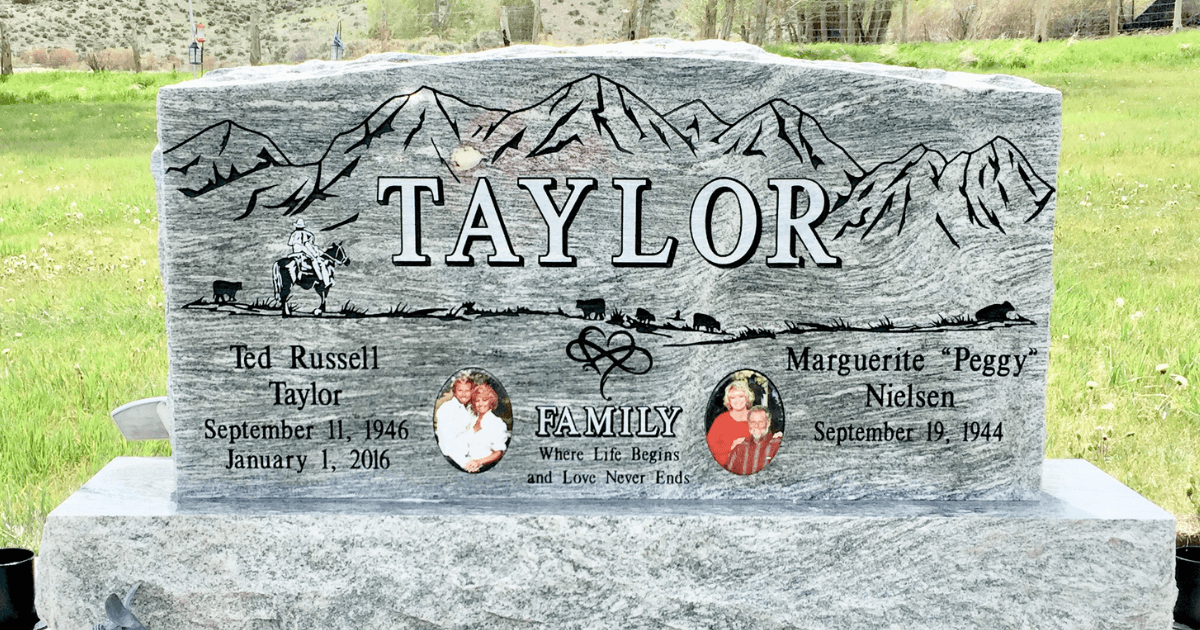
Marble: Beautiful but Challenging in Utah
has a long history as a memorial stone — the white monuments in older American cemeteries are among the most recognizable images in the medium. But is significantly softer than (around 3 on the Mohs scale) and reacts chemically to acidic rain and atmospheric pollution, gradually dissolving over decades.
In Utah's outdoor cemetery environment, inscriptions can become illegible within 50–100 years. For families who prefer a traditional white appearance, light gray or white offers a similar visual effect with far superior durability.
- Significantly softer than — scratches and etches far more easily
- Reacts with acid rain and atmospheric CO₂, gradually dissolving the surface
- Inscriptions can become difficult to read within 50 years in harsh climates
- Beautiful for indoor mausoleum use, but not recommended for outdoor Utah installations
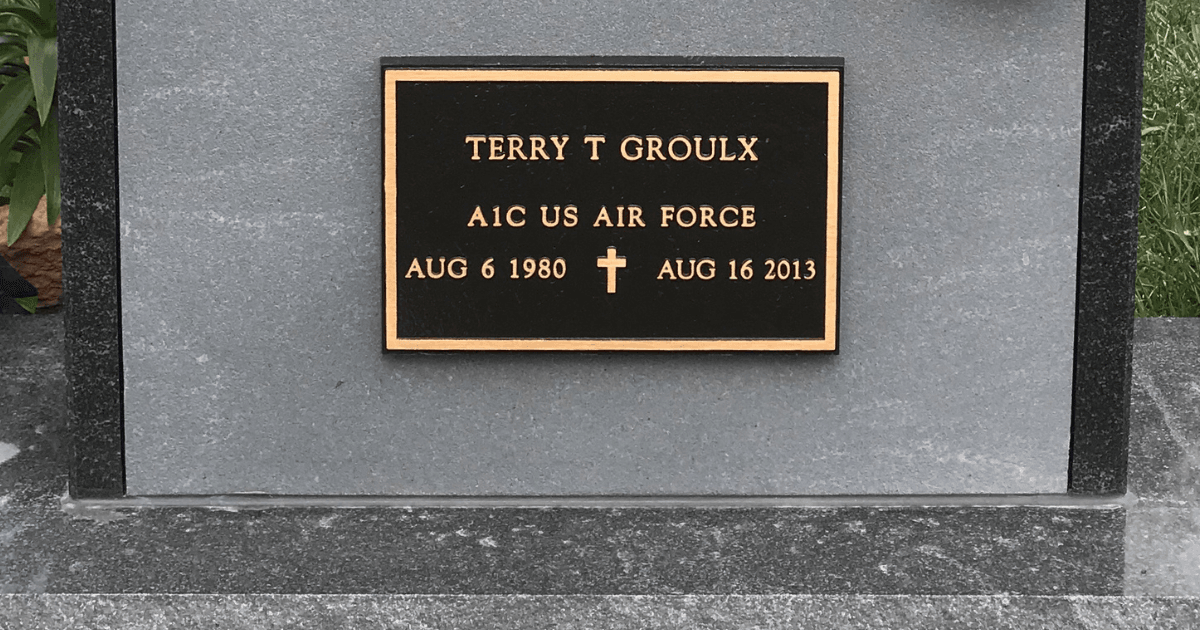
Bronze: Elegant for Plaques and Flat Markers
is used primarily for flat markers and memorial plaques rather than freestanding upright headstones. It's an alloy of copper and tin that, over time, develops a distinctive green-brown patina. markers can include elaborate raised lettering and artwork that cast differently from engraved stone.
weathers well but requires more maintenance than — periodic cleaning and re-bronzing keeps the surface looking its best. In Utah's dry climate, patina develops more slowly than in coastal areas. Many veteran cemetery sections use flat markers as a standard.
- Common for flat markers, mausoleum niches, and memorial plaques
- Raised lettering and artwork created through casting — a different aesthetic than carved stone
- Develops a natural patina over time; can be cleaned and refinished
- Requires more periodic maintenance than to maintain appearance
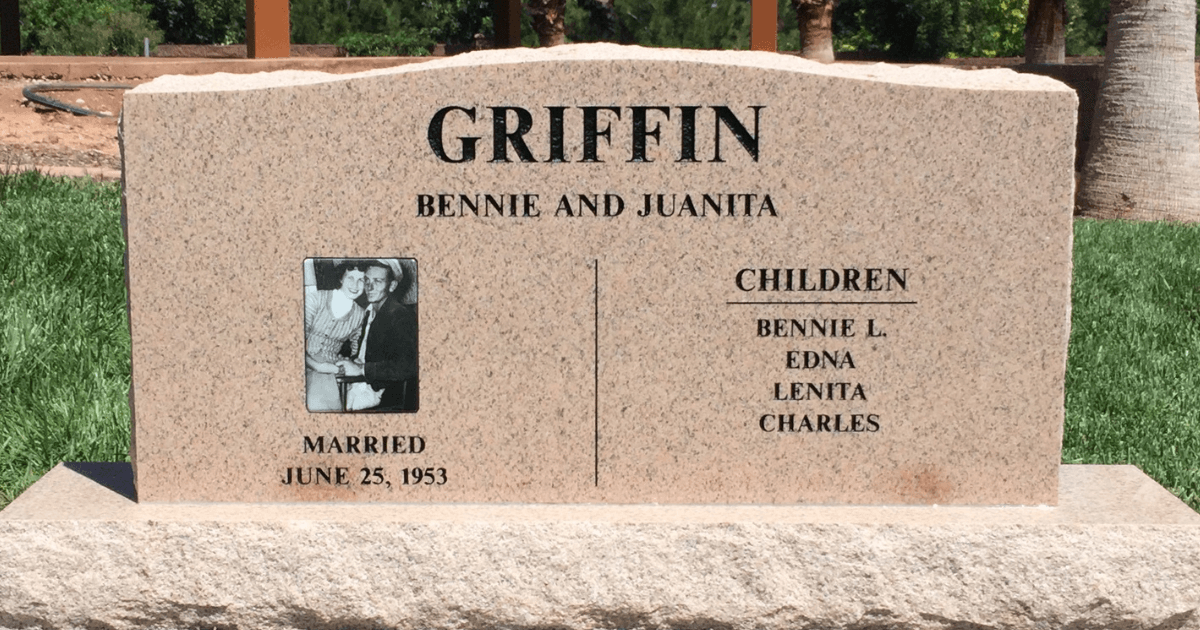
Fieldstone and Sandstone: Historical Context
Many of Utah's oldest cemeteries contain markers made from local fieldstone or sandstone — hand-carved, rough-hewn stones that reflect the pioneer era and the materials available at the time. These have significant historical and aesthetic character but are not a practical choice for new installations.
Sandstone is highly porous, weathers quickly, and deteriorates markedly within a generation in Utah's climate. Fieldstone markers are often illegible after a century. Their presence in older cemeteries is valued as historical record, not as a model for contemporary memorial design.
For families who want a natural, rustic appearance, certain rough-finished granites (thermal finish, sawn finish) offer a similar aesthetic with none of the durability concerns of true fieldstone or sandstone.