Can You Add a Name, Date, or Inscription to an Existing Headstone?
A headstone may have been in place for years before a family needs to add something to it. Perhaps a companion monument already includes one spouse's name and birth date, but the final date has not yet been engraved. Maybe a family would like to add another name, a meaningful phrase, or a small tribute.
That often leads to an important question: Can you add an inscription to an existing headstone without replacing the entire monument?
In many cases, yes. Additional lettering can sometimes be engraved directly onto a monument that is already installed. Whether the work is possible depends on the material, available space, condition of the stone, existing design, and cemetery requirements.
For families in Richfield and throughout Central Utah, understanding these details can make the process easier to navigate.
What Can Be Added to an Existing Headstone?
The most common addition is a final date of death. However, depending on the monument and cemetery rules, other additions may be possible.
Adding a final date
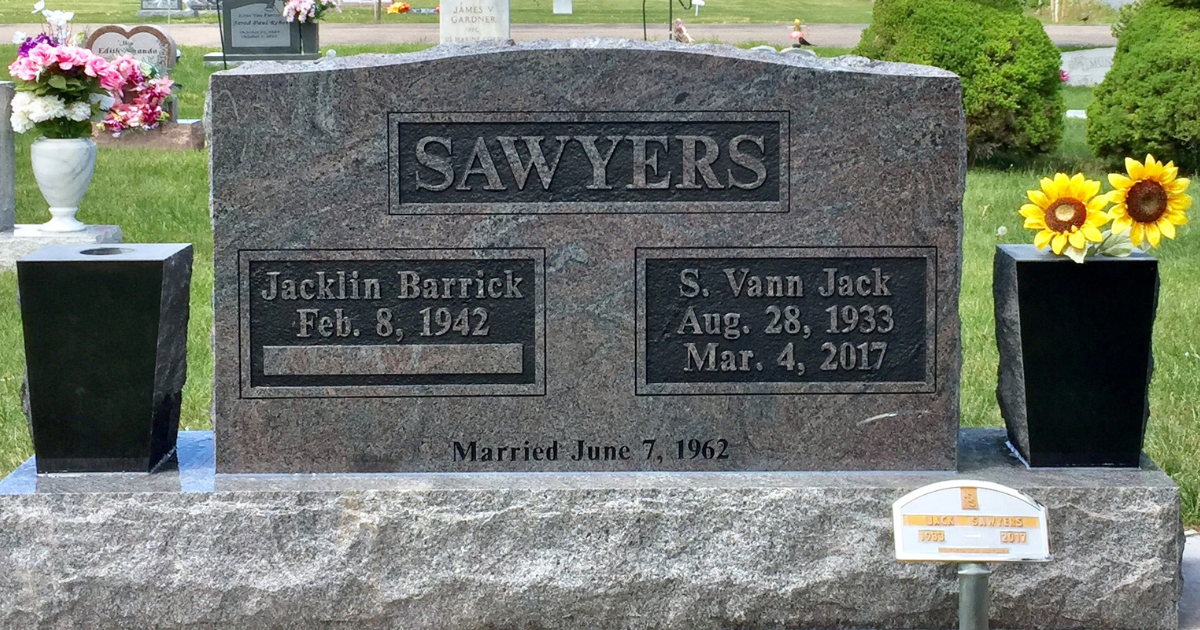
Companion headstones are often designed with both spouses' names and birth dates, leaving space for a date of death to be completed later.
When the time comes, a monument professional can evaluate whether the missing date can be added in a way that complements the original engraving.
Adding another name
Some larger family monuments have room for additional names. Whether a new name can be included depends on the remaining space and how the existing lettering is arranged.
The cemetery may also have rules about whose name may appear on a particular memorial.
Adding a meaningful inscription
A family may want to add a short phrase, scripture reference, or personal message.
For example:
- Forever in Our Hearts
- Together Always
- Beloved Mother and Grandmother
- A favorite scripture reference
Adding artwork or a photograph
Some families want to incorporate a symbol or image later. This is a separate design decision that depends on the granite, surface finish, available space, and cemetery requirements.
Our article on adding a photograph to a headstone explains some of the considerations for existing memorials.
Can a Date Be Added Without Removing the Headstone?
Often, yes.
Depending on the monument, additional lettering may be completed at the cemetery using specialized engraving equipment. This is commonly called on-site engraving or on-site lettering.
Working at the cemetery may eliminate the need to transport a heavy monument back to a shop. However, not every stone or inscription is suitable for on-site work.
A monument professional must first assess the existing memorial, the type of lettering required, the working conditions, and any cemetery restrictions.
Some projects may require the stone to be removed or the work to be completed using a different method.
How Does On-Site Headstone Engraving Work?
Although the exact process varies, additional engraving generally follows several stages.
1. Examine the existing monument
The monument's material, finish, condition, dimensions, and existing lettering are reviewed.
This helps determine whether the proposed addition is feasible and how closely it can match the original design.
2. Confirm the information
The family supplies the exact name, date, or wording to be added.
Every letter and number should be verified before engraving begins. An existing memorial is not a place to rely on memory when checking important details.
3. Plan the lettering
The new inscription is positioned to work with the existing design.
The goal is to create an addition that looks intentional, balanced, and respectful of the original memorial.
4. Obtain necessary permission
The cemetery may require approval, documentation, or a work permit before engraving takes place.
5. Complete and inspect the work
When approved and technically feasible, the lettering is added using an appropriate method for the stone. The completed inscription is then checked for clarity, placement, and finish.
Will the New Lettering Match the Original Inscription?
Matching existing lettering is an important part of updating a headstone.
A monument specialist may need to consider:
- Letter style and size
- Depth of engraving
- Spacing between characters
- Alignment with existing names and dates
- The original finish and contrast
- Weathering of the surrounding stone
The goal is to make the new information feel like part of the original design.
However, an exact visual match is not always possible. Older lettering may have weathered, the stone may have changed in appearance, or the original engraving technique may differ from methods available today.
Ask what kind of match is realistic before approving the work.
What If There Isn't Enough Room on the Headstone?
Available space is one of the biggest factors in determining whether an inscription can be added.
A monument may have room for a date but not for an additional name and several lines of text.
Trying to fit too much wording into a small area can affect readability and the overall appearance of the memorial.
If space is limited, a monument professional may discuss options such as shortening the wording, adjusting the proposed layout, or considering a different memorial solution where cemetery rules allow.
Not every option will be appropriate for every monument.
Families planning a new memorial can reduce future difficulties by leaving adequate room for additional information. Our guide to designing a unique and timeless headstone discusses thoughtful inscription and layout choices.
Does the Cemetery Need to Approve Additional Lettering?
Possibly, and it is important to check before work begins.
Cemetery policies differ. Some require authorization from the lot owner or their representative, a monument work permit, or approval of the proposed inscription.
For example, the Catholic Cemeteries of the Archdiocese of Newark describes permit and authorization requirements for additional inscriptions in its cemeteries. Those are examples of cemetery-specific rules, not requirements that automatically apply throughout Utah.
For government-furnished veterans' headstones, special restrictions may apply. The U.S. Department of Veterans Affairs explains that the National Cemetery Administration does not authorize third parties to add inscriptions or emblems to government-furnished markers after the original inscription.
Before arranging any changes, confirm who owns or controls the memorial and what the specific cemetery permits.
What Information Should You Gather Before Requesting an Addition?
You can make the initial conversation more productive by gathering a few details.
The cemetery and location. Know the cemetery name and, if possible, the section, plot, or grave location.
Photographs of the headstone. Include a full view of the monument and a close-up showing existing names, dates, and lettering.
The exact new wording. Write down the name, date, phrase, or scripture reference exactly as it should appear.
Approximate dimensions. If available, measurements can help with an initial review. Avoid disturbing the monument to obtain them.
Any existing paperwork. Original design documents, purchase records, or cemetery information may be useful.
Your questions. Ask whether on-site engraving is possible, whether the lettering can be matched, what permissions are needed, and what factors affect the estimate.
These details can help determine the next appropriate step without making assumptions about the monument.
How Long Does It Take to Add an Inscription?
The timeline depends on the type of work and circumstances.
Factors may include:
- Cemetery approval
- The complexity of the lettering
- Availability of the necessary equipment
- Weather and ground conditions
- Access to the memorial
- Whether the monument must be moved
- Scheduling and preparation
In Central Utah, seasonal conditions may affect when certain outdoor monument work can be completed.
Rather than assuming a fixed turnaround time, ask for an estimate based on the actual memorial and cemetery.
What Affects the Cost of Adding a Name or Date?
The cost can vary significantly.
A simple final date may involve different preparation and equipment than adding a full name, several lines of wording, or detailed artwork.
Other considerations include the type of stone, lettering style, travel to the cemetery, accessibility, permits, and whether the monument must be transported.
A written estimate should clarify what work is included and whether any cemetery charges or additional services are separate.
Can You Change an Existing Inscription Instead of Adding One?
Correcting or changing lettering is different from adding new information in an empty area.
Because the original inscription has already been cut into the stone, changing it may be difficult or impossible without visible alterations.
The options depend on the monument's material, engraving depth, finish, and condition.
If you discover an error, avoid attempting to fill, grind, or recut the lettering yourself. Ask a monument professional to evaluate the stone and explain what can realistically be done.
A Memorial Can Continue to Tell Your Family's Story
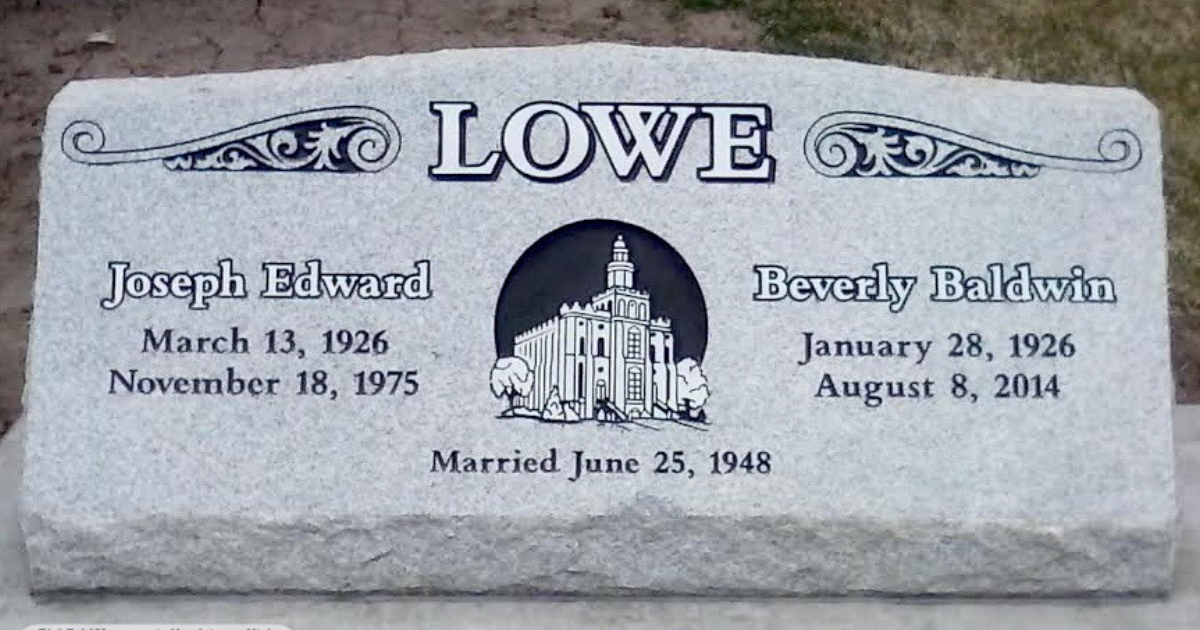
A headstone is intended to preserve memories over time. For some families, that means completing a date years after the monument was first installed. For others, it means exploring whether another name or meaningful inscription can be included.
The most important first step is to have the existing memorial evaluated before deciding what to change.
At Richfield Monuments, we understand that even a small addition to a headstone can carry deep meaning. If you're considering updating an existing granite memorial in Richfield or Central Utah, contact our team to discuss the monument, the wording you have in mind, and the options that may be available.
A thoughtful addition should honor both the person being remembered and the memorial your family has already created.