Signs Your Family Monument May Need Repair
A family monument is designed to last for generations, but even a well-made can eventually show signs of damage. Weather, ground movement, accidental impacts, aging materials, and improper cleaning can all affect the appearance and structural condition of a memorial.
Knowing what to look for can help families address small problems before they become more difficult to repair. Cracks, chips, leaning, damaged lettering, discoloration, and foundation problems are all signs that a monument may benefit from professional evaluation.
For families in Central Utah, understanding the difference between normal weathering and damage that requires professional attention can help protect an important family memorial for years to come.
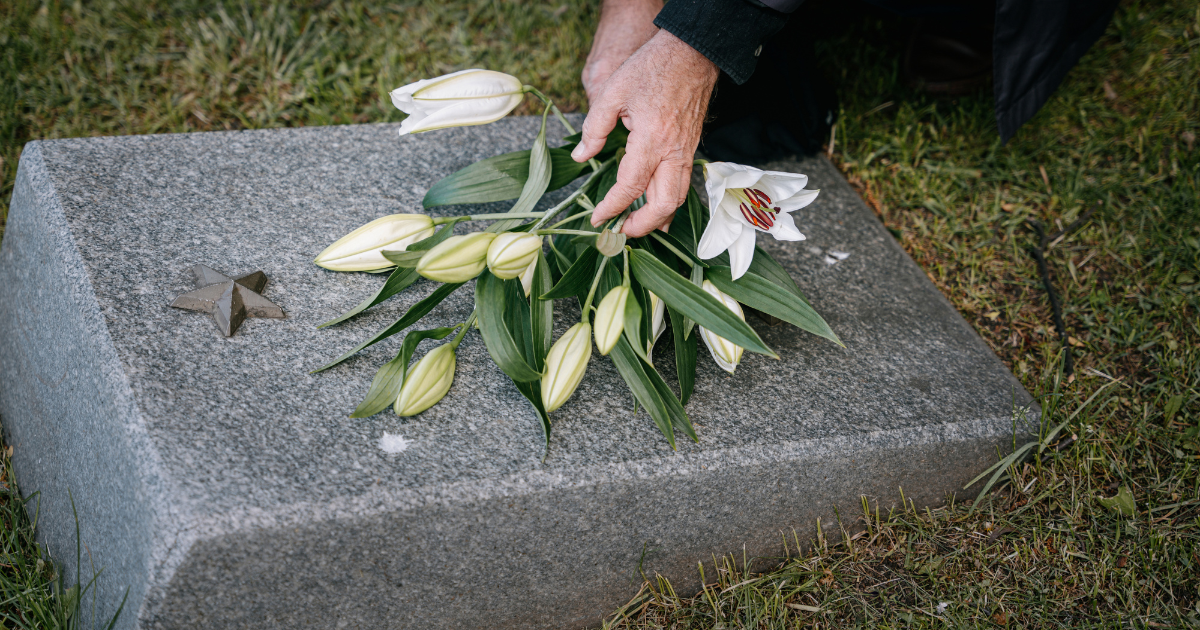
7 Signs Your Family Monument May Need Repair
These are the most common warning signs that a family monument may need professional inspection and repair.
1. You Notice Cracks in the Stone
Do not ignore a cracked , especially if the crack is large, growing, or near an edge, corner, mounting point, or other vulnerable area.
is extremely durable, but it is still a natural stone and can be damaged by impact or stress. Temperature changes, ground movement, installation problems, or accidental contact with maintenance equipment can contribute to damage.
Small surface imperfections may not require extensive work, but a professional should evaluate a significant crack to determine whether monument repair or another restoration method is appropriate.
If you are unsure whether a crack is cosmetic or structural, avoid attempting to fill or glue it yourself. A repair made with the wrong material or technique can make future restoration more difficult.
2. Chips or Broken Pieces Are Visible
A damaged may have small chips along its edges or larger sections that have broken away. Corners and thin decorative elements can be particularly vulnerable to accidental impacts.
Chipping can occur from lawn equipment, falling objects, transportation, previous repair attempts, or other physical impacts. Even a small chip can become more noticeable over time and may affect the appearance of an or decorative feature.
If a monument has a substantial chip or a section has broken away, professional repair may be possible depending on the stone, location, and extent of the damage.
3. The Monument Is Leaning or No Longer Level
A leaning is one of the clearest signs that a monument needs inspection.
A memorial that once stood straight but now tilts to one side may have an issue with its , base, ground conditions, or installation. Simply pushing the monument back into place usually does not address the underlying problem.
The is particularly important because it supports the weight of the monument and helps keep it stable. Richfield Monuments explains that proper construction and cemetery requirements are important considerations when installing a monument.
If your family monument has started leaning, avoid trying to straighten it yourself. monuments can be extremely heavy, and moving them without the appropriate equipment and experience can create additional damage or a safety hazard.
For more information about the role of a monument , see this guide to headstone foundation requirements and installation.
4. The Foundation or Base Shows Signs of Failure
Sometimes the stone itself is not the primary problem. The or base underneath a monument may settle, shift, crack, or deteriorate.
Look for signs such as:
- The monument no longer sits level on its base.
- Gaps have appeared between the stone and base.
- The base has shifted.
- The monument rocks or moves when gently observed.
- Cracks or deterioration are visible around the .
- The surrounding ground has settled significantly.
5. Lettering Has Faded, Been Damaged, or Is Difficult to Read
The is one of the most meaningful parts of a memorial. Over time, lettering can become less visible because of weathering, surface deterioration, paint or lettering material loss, or physical damage to the stone.
In some cases, the problem is primarily cosmetic and may be addressed through careful cleaning or restoration. In other cases, lettering repair or re- may be appropriate.
Before attempting to repaint or deepen lettering yourself, have the monument evaluated. The correct restoration approach depends on the stone, existing finish, , and condition of the memorial.
Richfield Monuments also provides additions and updates to existing monuments, making professional evaluation particularly useful when families need inscriptions modified or restored.
6. The Stone Has Significant Discoloration or Surface Deterioration
Not every stain means a monument needs repair. Outdoor memorials naturally collect dirt and can develop discoloration from environmental exposure, vegetation, irrigation, or biological growth.
However, severe staining, surface deterioration, crumbling, or changes in the stone's finish can indicate that professional cleaning or monument restoration is appropriate.
The Natural Stone Institute provides consumer guidance on the proper care and cleaning of natural stone, including information about stain identification and appropriate maintenance practices.
Families should be particularly cautious with aggressive cleaning methods. Harsh chemicals, abrasive materials, or improper tools can damage the surface rather than restore it.
For more information, read our guide on cleaning a headstone and avoiding damaging DIY products.
7. Weather or Cemetery Maintenance Has Caused Visible Damage
Central Utah monuments experience a wide range of outdoor conditions, including snow, freezing temperatures, summer heat, sun exposure, wind, irrigation, and regular cemetery maintenance.
Over many years, these conditions can contribute to wear and discoloration. Lawn equipment can also accidentally strike markers, vases, or other memorial components.
Regular cemetery monument maintenance can help families notice changes before they become major problems. A visual inspection does not require special equipment. When visiting a family cemetery plot, take a few minutes to look for new cracks, chips, leaning, loose components, discoloration, or changes to the .
The Monument Builders of North America represents professionals involved in the design, production, and maintenance of cemetery memorials and promotes consumer-focused professional practices.
When Is Monument Repair Necessary?
Not every change to an older monument requires immediate repair. Some discoloration and minor surface wear are simply signs that a memorial has spent years outdoors.
Professional evaluation becomes more important when you notice:
- A crack that appears to be growing.
- A broken or missing section of stone.
- A monument that is leaning.
- A loose or unstable monument.
- or base movement.
- Significant deterioration of the stone.
- Damaged or disappearing lettering.
- Damage caused by lawn equipment or other impacts.
- A memorial that has been improperly repaired in the past.
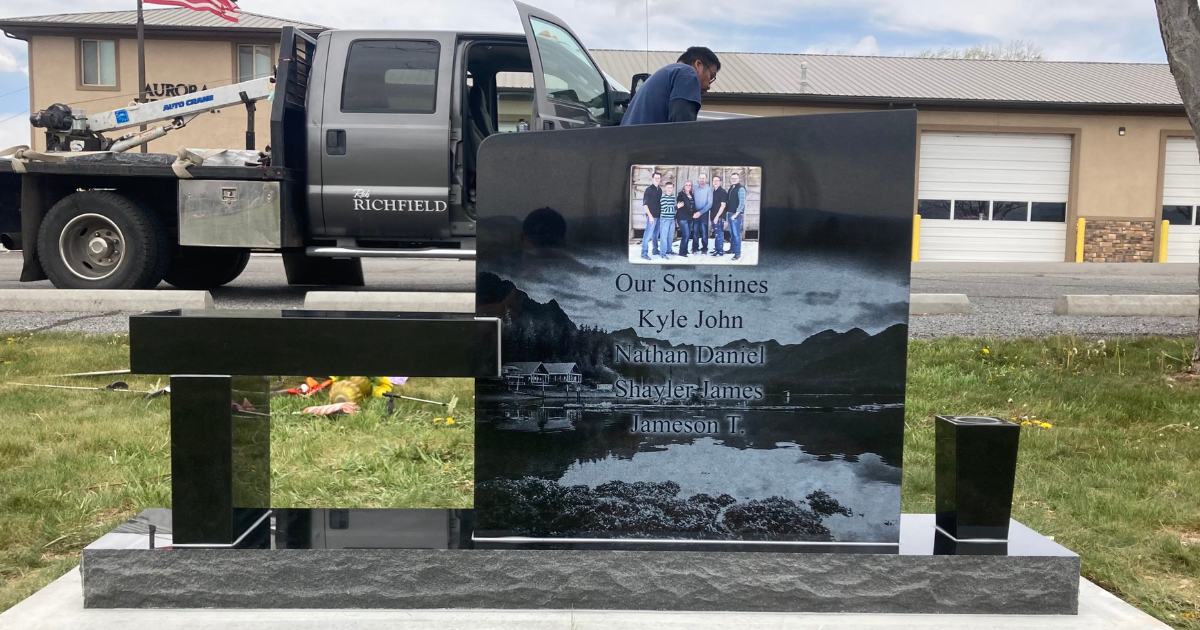
Why DIY Monument Repair Can Be Risky
A family may be tempted to repair a damaged with household adhesives, paint, abrasive cleaners, or other readily available products. That approach can sometimes create more problems.
The Natural Stone Institute maintains professional guidance covering natural stone care, maintenance, restoration, and related practices.
There is also a safety concern. Large monuments are extremely heavy. Attempting to lift, reposition, or straighten one without proper equipment can cause injury or additional damage.
If a monument is cracked, broken, unstable, or leaning, professional cemetery monument repair is generally the safer approach.
Monument Repair vs. Monument Restoration
The terms repair and restoration are sometimes used interchangeably, but they can describe different types of work.
Monument repair generally focuses on addressing specific physical problems, such as a crack, broken component, damaged base, or unstable monument.
Monument restoration can involve a broader effort to improve the condition and appearance of an older memorial. Depending on the monument, restoration may include cleaning, repairing damaged stone, restoring lettering, addressing issues, or carefully improving the overall appearance.
The appropriate approach depends on the monument's age, material, condition, previous repairs, and the type of damage present.
Richfield Monuments offers cleaning, repair, and restoration services for existing family monuments, serving families throughout Sevier County and surrounding Central Utah communities.
How to Protect a Family Monument From Further Damage
Regular observation is one of the simplest forms of monument maintenance. Families do not need to perform complicated restoration work themselves to help preserve a memorial.
When visiting a family monument:
- Look at the stone from multiple angles.
- Check for new cracks or chips.
- Look for changes in the monument's position or level.
- Inspect the base and surrounding ground for movement.
- Check whether lettering remains clear and intact.
- Look for unusual staining, biological growth, or surface deterioration.
- Avoid using harsh chemicals or abrasive tools without knowing whether they are appropriate for the stone.
- Contact a monument professional if you notice significant changes.
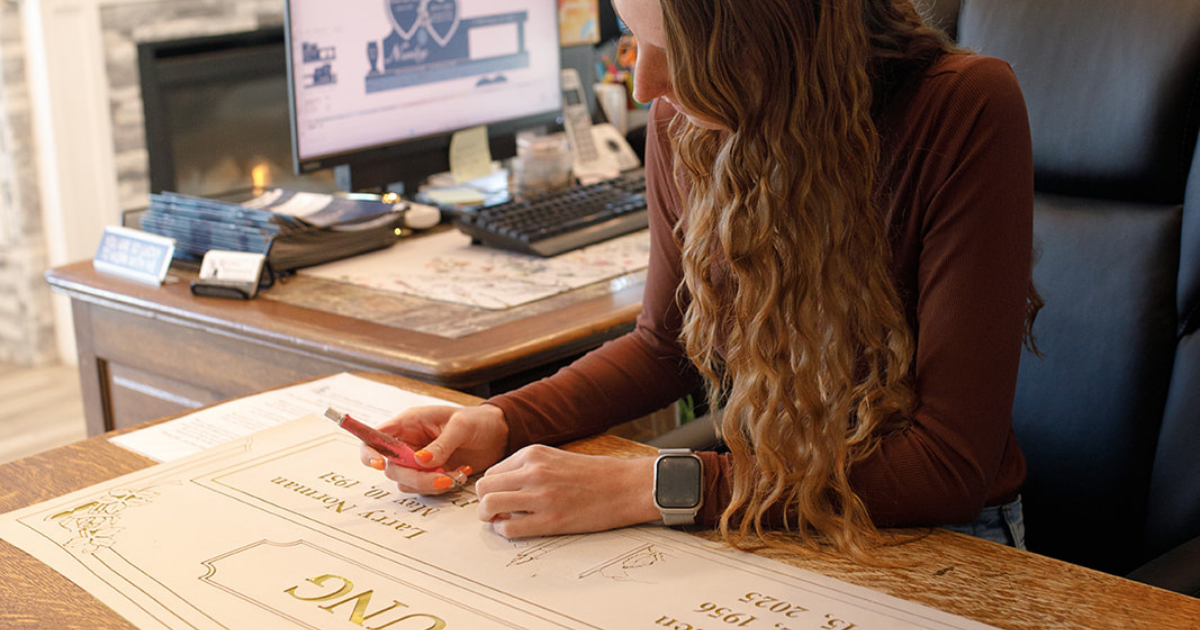
What Central Utah Families Should Know About Monument Repair
Families in Richfield, Salina, Monroe, and surrounding Central Utah communities have unique considerations when caring for cemetery memorials. Local cemetery rules can affect repairs, resetting, foundations, installation methods, and other work.
Richfield Monuments serves families throughout Sevier County and has experience coordinating with local cemeteries. Their Sevier County memorial services include restoration and repair of existing family monuments as well as custom memorial work.
Because every damaged monument is different, an inspection is often the best way to determine whether cleaning, repair, resetting, restoration, or replacement is appropriate.
When to Call a Monument Professional
If your family monument has developed a significant crack, chip, lean, problem, or lettering damage, do not wait for the problem to become more extensive before asking for an evaluation.
A professional can assess the condition of the stone and determine whether restoration, repair, work, cleaning, or another solution makes the most sense.
For families who are unsure what they are seeing, even an initial conversation can provide useful direction.
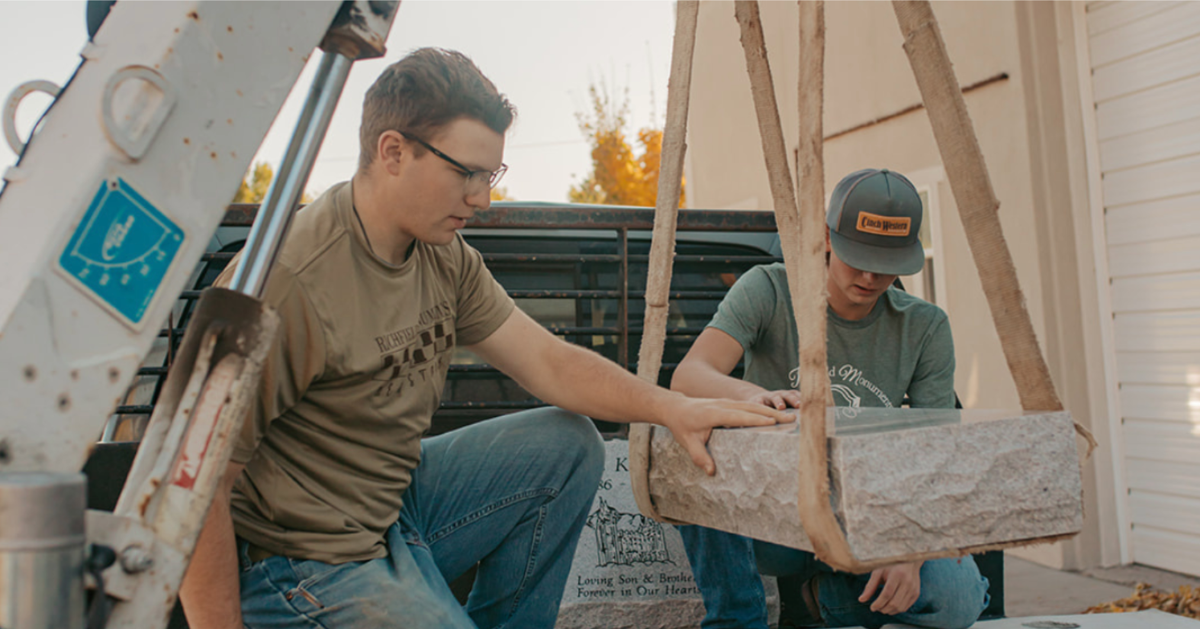
Protect a Family Memorial for Future Generations
A family monument represents more than a name and a date. It is a physical place where generations can remember the people who came before them.
Regular cemetery monument maintenance and timely professional repairs can help preserve that memorial when problems first appear. Cracks, chips, leaning, movement, damaged lettering, and significant deterioration are all reasons to have an experienced monument professional take a closer look.
If you have noticed damage to a family monument in Central Utah, contact Richfield Monuments for a consultation about repair or restoration. The team serves families throughout Sevier County and surrounding communities and can help determine the appropriate next step for your memorial.