What Should You Bring to a Headstone Design Appointment?
Sitting down to design a headstone can feel unfamiliar. Most families have never done it before, and suddenly there are decisions about granite, lettering, cemetery requirements, artwork, inscriptions, sizes, and layouts.
You do not need to arrive with a finished monument already pictured in your mind. A good design appointment is a conversation. Your job is to bring the information, memories, and ideas that matter. The designer’s job is to help turn those pieces into a memorial that works for the cemetery and feels right for your family.
A little preparation can make that conversation much easier. Here is what is most helpful to bring.
1. Start With the Cemetery Information
Before choosing a monument, the designer needs to know where it will be placed. Bring the cemetery name and, if you have it, the section, lot, or grave number. Cemeteries may regulate maximum monument dimensions, upright stones, base dimensions, foundation requirements, placement, approved materials, and installation procedures.
You do not need to become an expert on cemetery regulations before your appointment. Knowing the exact cemetery gives the monument company a place to start, and bringing any cemetery paperwork you already have can save time. Read more about headstone base requirements before your appointment.
- Cemetery name
- Section, lot, or grave number
- Cemetery paperwork and contact information
2. Write Down Names and Dates Instead of Relying on Memory
Create a written list of the information that may appear on the stone. Include the full name, middle name or initial, maiden name when appropriate, nickname, birth date, death date, marriage date, military rank or title, and family relationships such as Mom, Dad, Grandma, or Grandpa.
If you are uncertain about an official date or spelling, verify it rather than guessing. The Utah Office of Vital Records and Statistics explains how Utah death records can be requested. Catching a discrepancy before the monument is produced is much easier than correcting permanent lettering later.
- Correct spelling of names
- Birth and death dates
- Marriage date, if wanted
- Family titles and relationships
3. Bring Photos That Tell You Something About the Person
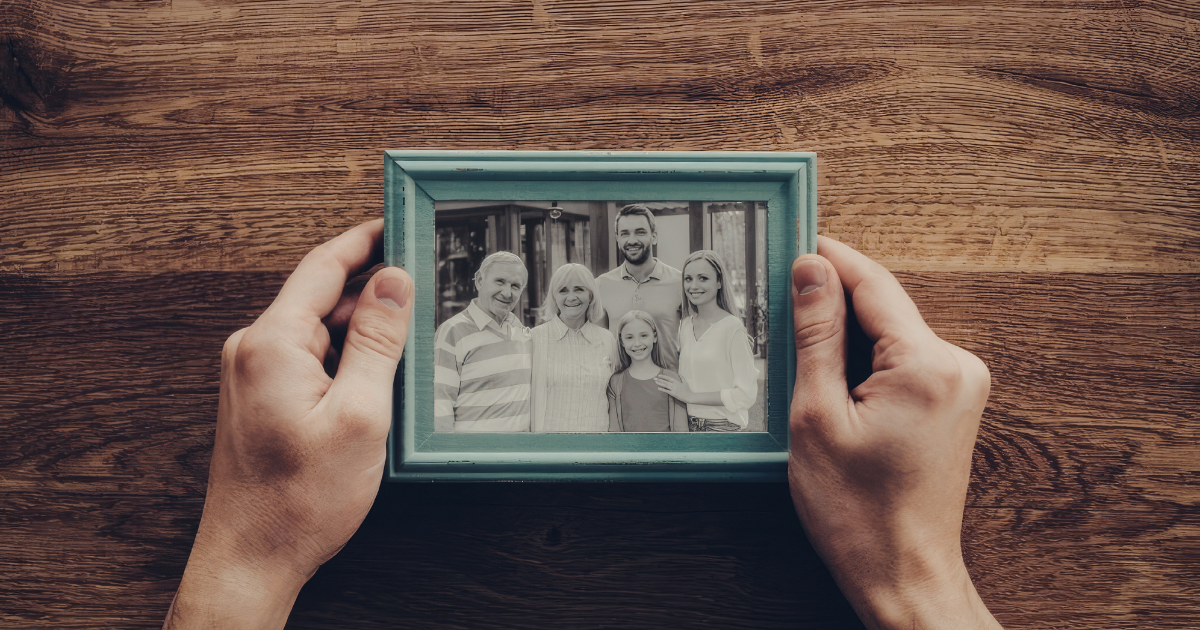
Think beyond a formal portrait. A favorite photograph can help a designer understand the personality behind the memorial. Bring a picture of a favorite truck, horse, family cabin, mountain range, military experience, musical instrument, farm or ranch, fishing or hunting trip, or beloved pet.
These images may inspire artwork even when the photograph itself will not appear on the stone. If you do want a photograph incorporated into the memorial, bring the clearest original image available. See how photos can be added to a headstone. Do not worry about making it perfect before bringing it in; start with the best-quality original you have.
- Good portrait
- Favorite candid photographs
- Photos connected to hobbies, work, or favorite places
4. Bring Words That Sound Like Them
Rather than trying to write the perfect epitaph at home, make a short list of possibilities. Think about a favorite scripture reference, brief saying, family phrase, expression they used often, title such as Beloved Mother or Devoted Husband, statement about faith, marriage information, or a few words that capture their character.
You may discover during the design process that some ideas work better visually than others. The goal is not to fit everything about a person’s life onto the stone; it is to choose the words that deserve to remain.
- Scripture ideas
- Quotes or sayings
- Family wording
- Possible epitaphs
5. Gather Artwork Ideas Even if You Aren’t Sure How They Will Be Used
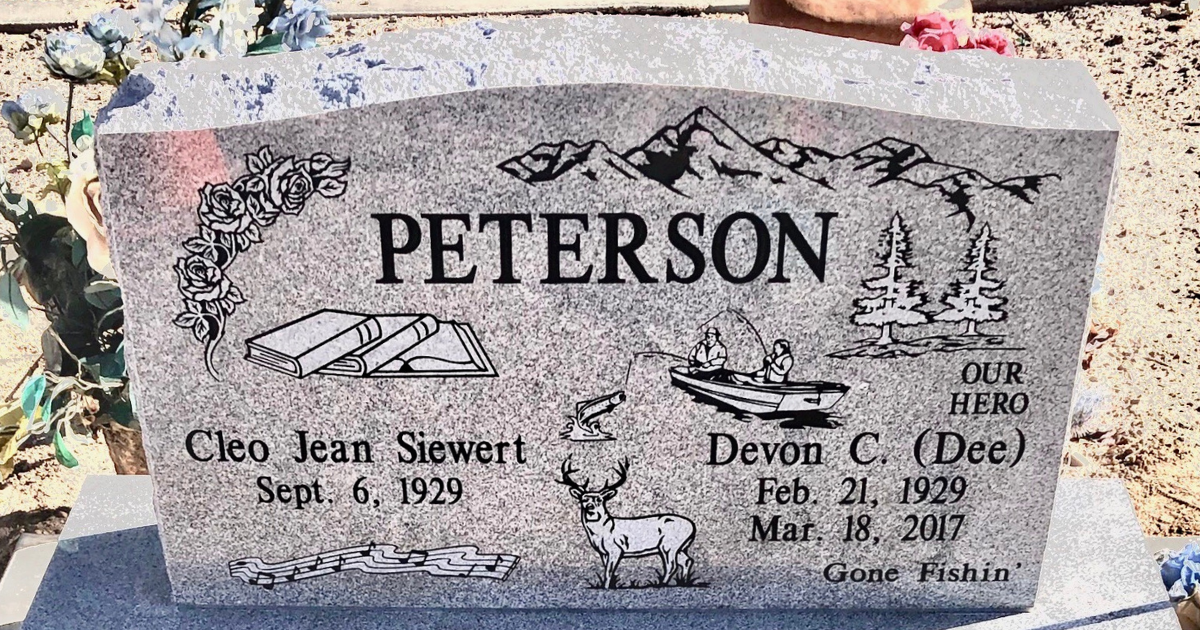
Artwork is often where a memorial becomes truly personal. Bring screenshots, photographs, sketches, or handwritten notes describing things you would like the designer to consider. Ideas might include mountains, wildlife, flowers, trees, farms, ranch scenes, temples, crosses, trucks, motorcycles, musical instruments, sports, crafts, tools, and family emblems.
If faith will be represented on the monument, think about what symbols genuinely reflected the person’s beliefs rather than choosing something simply because it is commonly used. Read our guide to religious symbols on a headstone for additional considerations. You can bring several ideas; the first appointment is the right time to sort through them.
- Symbols
- Landscapes
- Hobbies
- Faith imagery
- Personal interests
6. Bring Military Details if They Are Part of the Story
If military service will appear on the headstone, gather the correct information before the final design is approved. That may include branch of service, rank, service dates, unit information, medals or decorations, military emblem, and conflict or war served in.
Using records rather than memory helps ensure that military information carved into the monument is accurate. If your family cannot locate the records, the National Archives explains how to request military service records for many former service members.
- Military information
- Cemetery paperwork
- Other records that need to be represented accurately
7. Decide Which Family Members Need to Have a Voice
Before the appointment, talk about who should be involved. Is one person making the decisions? Are siblings choosing together? Does a surviving spouse have specific wishes? Did the person who passed leave instructions? Does anyone need to approve the final proof?
Gathering everyone’s ideas ahead of time and having one or two people attend the appointment can keep the design process manageable while still respecting the whole family.
- Who should participate
- Who will approve the final design
- Any instructions left by the person being memorialized
8. Have a Comfortable Spending Range in Mind
You do not have to know exactly what a headstone should cost before coming in. It is helpful, however, to know what your family is comfortable spending. Size, granite, shape, amount of lettering, detailed artwork, portraits, additional pieces, foundation requirements, and installation considerations can all affect the final price.
Giving the designer a general range makes it easier to discuss realistic options. Ask what is included in the price so you understand the complete proposal rather than comparing a single number without knowing what it covers.
9. Write Down Your Questions
Grief has a way of making it easy to forget the question you meant to ask. Before leaving home, make a simple list. You may want to ask how long the process will take, whether the cemetery needs to approve the design, who contacts the cemetery, whether you will see a proof, whether changes can be made, who handles the foundation and installation, whether another name or date can be added later, what maintenance the granite requires, and when installation should be expected. Our guide to headstone foundations in Utah explains why the structure beneath the monument matters.
There is no question too basic to ask. Most families are learning this process for the first time.
- Process timeline
- Cemetery approval
- Design proof and revisions
- Foundation and installation
- Future lettering
- Maintenance and installation timing
Your Headstone Appointment Checklist
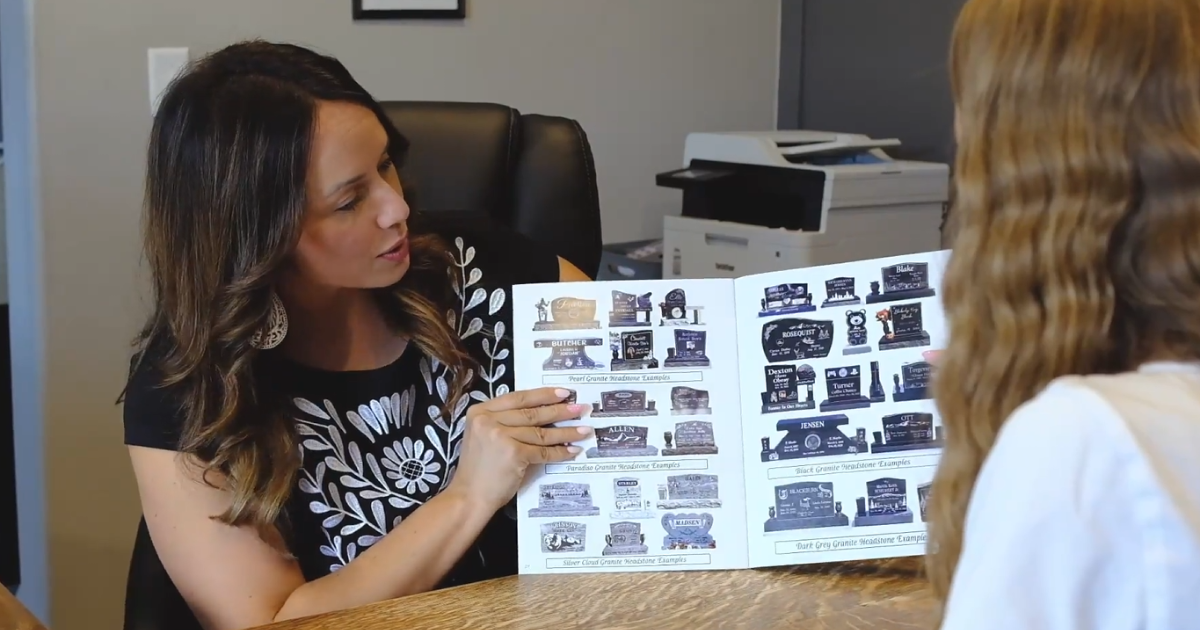
Before you go, gather what you have from this list: cemetery name and plot information; correct names, dates, and family titles; portraits and meaningful photographs; scripture, quotes, or possible epitaphs; artwork and personal-interest ideas; military information and other records; the family members who should participate; a comfortable spending range; and any questions you want explained.
If you only have half of these things, that is still enough to begin.
Bring the Story. The Design Comes Next.
The most useful thing you can bring to a headstone design appointment is not a perfect sketch. It is an understanding of the person you want the memorial to represent.
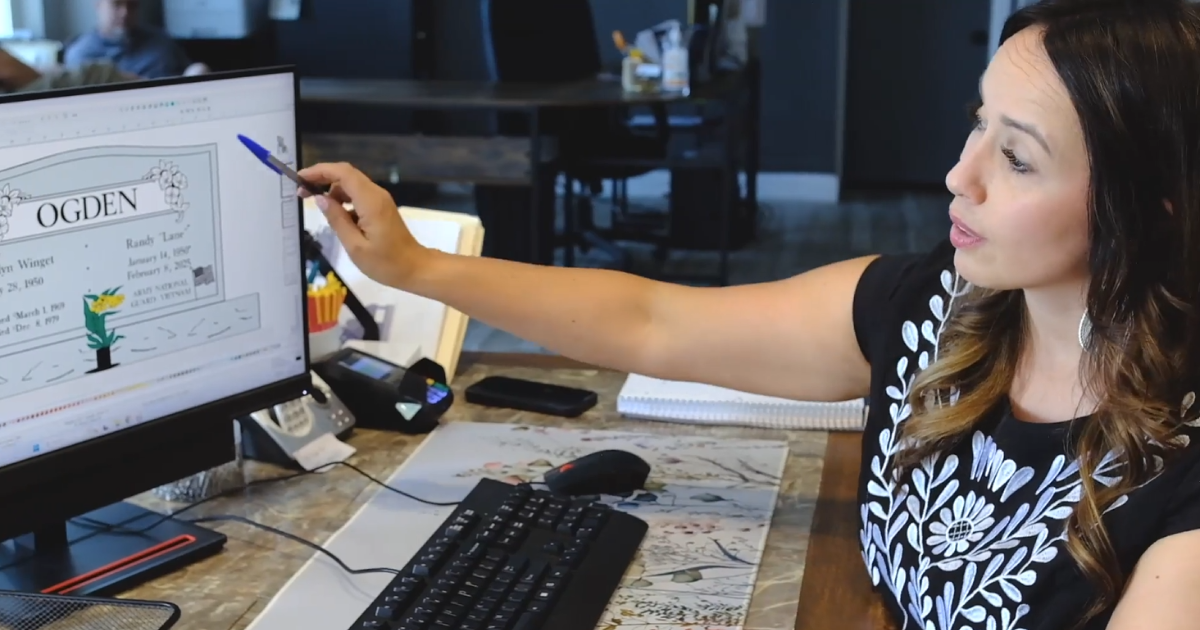
The designer can help with dimensions, granite, lettering, artwork, cemetery requirements, and what will fit on the stone. What your family brings is the part no designer can supply: the stories, relationships, memories, faith, personality, and details that made this person who they were.
Richfield Monuments has been helping Utah families turn those details into lasting memorials since 1895. Bring what matters most. That is where a meaningful design begins.