How Cemetery Landscaping Can Affect Your Headstone Over Time
When choosing a , families often focus on the color, shape, lettering, and personal details that will make the memorial meaningful. However, another factor worth considering is the environment surrounding the .
Grass, trees, irrigation systems, soil conditions, and nearby landscaping can all influence how a memorial looks and holds up over time.
While is known for its strength and durability, the conditions around a can affect its appearance and, in some cases, the stability of its .
For families throughout Richfield and Central Utah, understanding how cemetery landscaping interacts with memorials can help them make informed decisions when selecting and caring for a .

Why Cemetery Landscaping Matters
A cemetery is a constantly changing outdoor environment. Grass grows, trees mature, irrigation systems operate, and the ground experiences seasonal changes.
These natural and maintained features help create the appearance of a cemetery, but they can also affect the memorials placed throughout the property.
For example, a located near a sprinkler may experience more frequent water exposure than one in a drier section of the cemetery. A memorial positioned beneath a large tree may collect more leaves, sap, and other organic material.
The surrounding soil can also change over time due to moisture, erosion, and settling.
Although these conditions do not automatically cause damage, they are worth considering when choosing a memorial location and evaluating an existing .
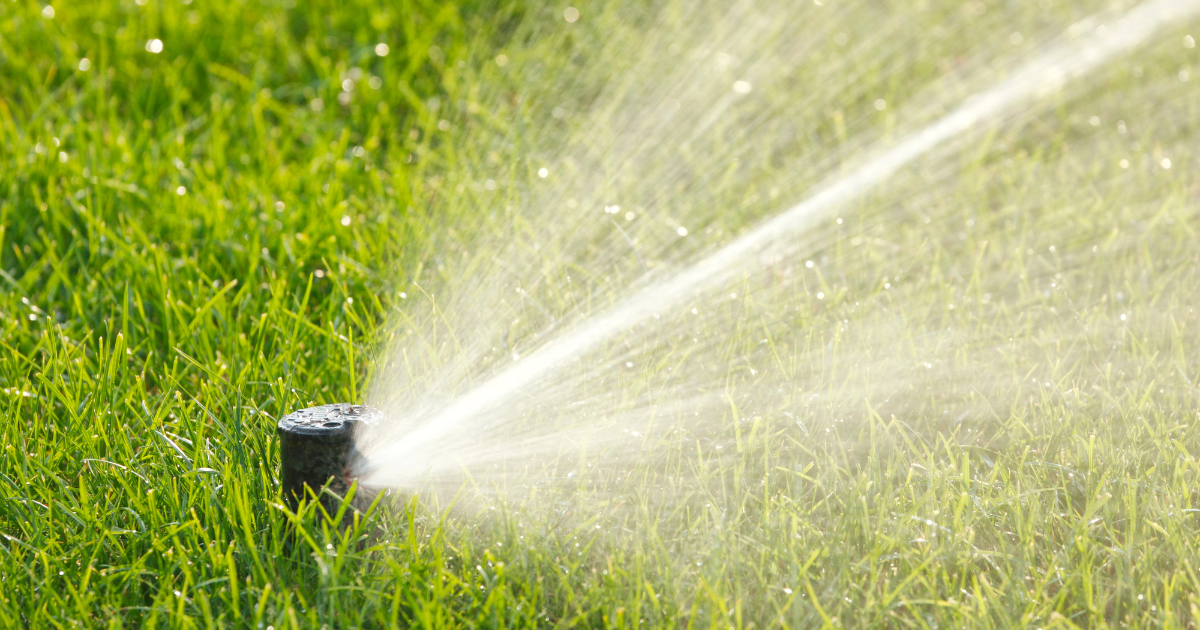
Sprinkler Systems and Repeated Water Exposure
Most maintained cemeteries use irrigation systems to keep grass and landscaping healthy during warmer months.
However, sprinklers can sometimes direct water onto headstones repeatedly.
generally handles moisture well, but frequent water exposure can leave deposits on the surface, particularly when irrigation water contains dissolved minerals.
Over time, these deposits may create white or cloudy areas on polished . They can be especially noticeable on darker headstones.
Repeated wetting can also encourage dirt and other materials to collect in engraved lettering or textured areas.
If a is consistently being sprayed by a sprinkler, it may be worth contacting the cemetery about the irrigation pattern.
In some cases, sprinkler adjustments may help reduce direct water exposure without affecting the surrounding grass.
Families should avoid attempting to modify cemetery irrigation equipment themselves.
Trees, Roots, and Organic Debris
Trees are common features in many cemeteries. They provide shade, add natural beauty, and contribute to the overall landscape.
However, trees can also influence the condition and appearance of nearby headstones.
Leaves, twigs, seeds, and other debris may accumulate on memorial surfaces, particularly during the fall.
Some trees also release sap or other organic materials that can leave residue on .
In shaded areas, moisture may remain on the stone longer than it would in direct sunlight. Depending on the local conditions, this can encourage the growth of algae, moss, or lichen.
Tree roots are another consideration. As trees mature, their roots can expand through the surrounding soil and potentially affect nearby structures or foundations.
This does not mean that every near a tree will experience problems, but the size and location of surrounding trees can be important factors.
Families visiting a memorial near a tree may want to look for excessive debris, unusual surface buildup, or changes in the position of the .
If the memorial appears to be leaning or shifting, a monument professional can help determine whether the issue involves the , surrounding soil, or another condition.
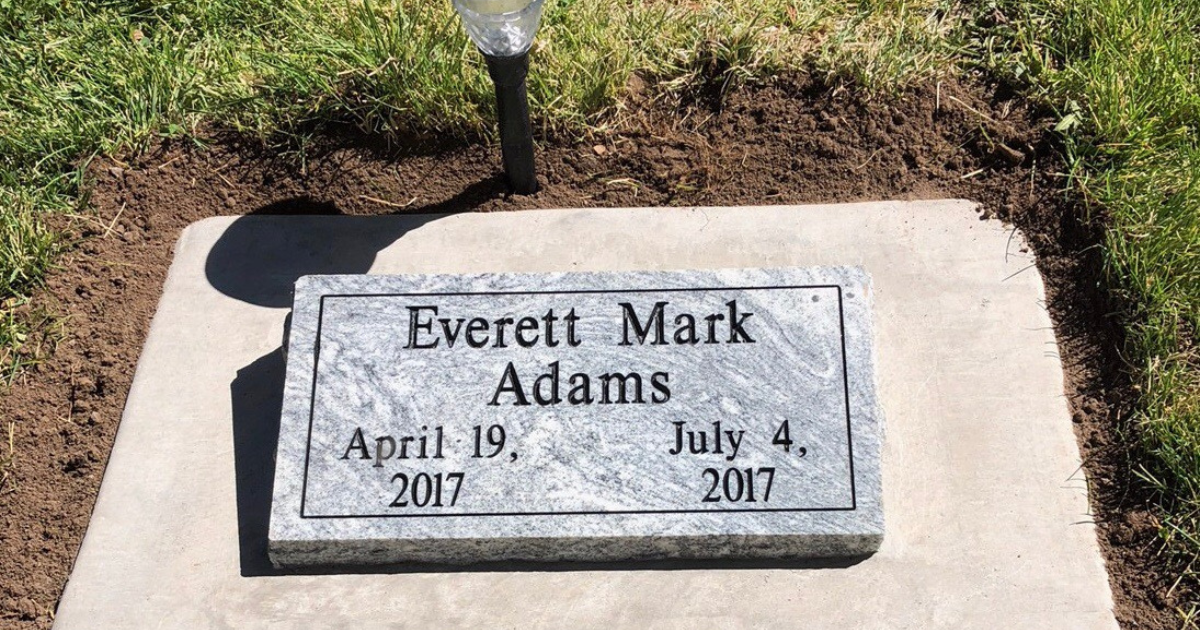
Grass Growth Around Flat Headstones
Flat grave markers are designed to sit level with or close to the surrounding ground.
This creates a simple appearance and can make cemetery lawn maintenance easier.
However, because these markers are positioned near the grass, they can gradually become partially covered by surrounding vegetation.
Grass may grow over the edges of the marker, while soil and organic material can accumulate along the border.
Over time, this buildup can make the memorial appear smaller or cause portions of the to become less visible.
In some cases, a flat marker may also appear to sink as the surrounding ground changes.
Routine cemetery maintenance often includes trimming grass around grave markers, but maintenance practices vary by location.
Families who notice significant grass growth or soil buildup around a marker can contact cemetery management to ask about appropriate maintenance procedures.
It is important to avoid digging around or attempting to lift a marker without permission, as improper handling could affect its placement or stability.
Soil Conditions and Foundation Stability
The ground beneath a is just as important as the visible landscaping around it.
Headstones rely on proper installation and a stable foundation to remain level and secure.
Over time, soil conditions can change due to moisture, erosion, settling, or other environmental factors.
For example, water collecting around a memorial may contribute to soil movement in certain conditions.
Areas with poorly compacted soil or drainage problems may also be more susceptible to settlement.
These changes can sometimes cause a to tilt, shift, or become uneven.
A that was originally level may begin to show noticeable changes in its position.
Families may observe:
- A memorial leaning slightly to one side
- Gaps developing between the and its base
- Uneven ground around the
- A flat marker sitting lower than the surrounding grass
- Visible movement or separation between monument components
Not every change indicates a serious problem, but noticeable movement should be evaluated before it becomes more significant.
Attempting to straighten a heavy without proper equipment can be dangerous. A qualified professional should assess the situation.
Seasonal Changes in Central Utah
Cemeteries throughout Central Utah experience a wide range of weather conditions during the year.
Hot summer days, freezing winter temperatures, snow accumulation, and seasonal moisture can all affect the ground surrounding a memorial.
During winter, moisture in the soil may freeze and expand. When temperatures rise, the ground thaws again.
This freeze-thaw process can contribute to soil movement, particularly in areas where drainage or soil conditions are already problematic.
Spring snowmelt may also increase moisture around cemetery foundations.
In the summer, dry conditions can cause certain soils to shrink or become more compact, depending on their composition.
These seasonal changes do not necessarily damage a properly installed memorial. However, they demonstrate why preparation, drainage, and installation methods matter.
Families may find it helpful to observe the condition of a memorial after winter or during seasonal visits, especially if the has shown signs of movement in the past.
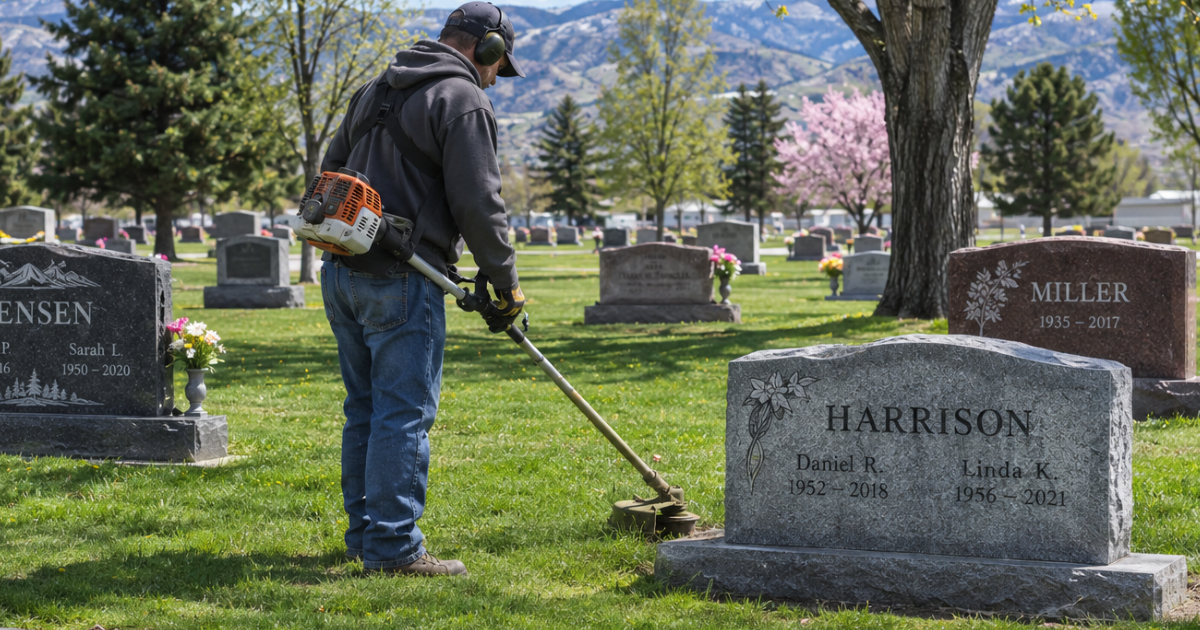
Landscaping Equipment and Accidental Damage
Cemetery grounds require regular mowing, trimming, and other maintenance.
Although this work is necessary, equipment operating near headstones can occasionally cause accidental contact.
Lawnmowers, string trimmers, and other landscaping tools may strike the edges of memorials or their bases.
Over time, repeated contact can contribute to minor chips, scratches, or surface marks.
Raised headstones, flat markers, and decorative monument features may each be exposed to different types of maintenance activity.
If you discover a new chip, scratch, or other visible damage on a , document the condition with photographs.
It may also be helpful to contact cemetery management to discuss the concern.
A monument professional can evaluate the damage and explain whether repair options are available.
Some minor surface issues may be addressed without replacing the entire memorial, while more significant damage may require additional work.
Choosing a Headstone for Its Surroundings
The surrounding cemetery environment can also influence decisions when purchasing a new .
For example, families choosing between an upright monument and a flat marker may want to consider how each design interacts with grass, soil, and routine cemetery maintenance.
Granite color and finish can also affect how visible certain types of residue or surface buildup appear.
Darker polished may show light-colored mineral deposits more noticeably, while some lighter or textured finishes may make certain types of dirt less obvious.
However, no color or finish completely prevents environmental buildup.
The most appropriate memorial choice depends on the family's preferences, cemetery regulations, available space, and the characteristics of the installation location.
Discussing these factors with a monument professional can help families understand the practical considerations associated with different styles.
When Cemetery Landscaping Changes
Cemetery landscapes can look very different after several years.
Trees may grow larger, irrigation patterns may change, and surrounding grass or soil may gradually shift.
If these changes begin affecting a memorial, families should first determine whether the concern involves routine landscaping or the itself.
For example, overgrown grass may simply require cemetery maintenance, while a leaning monument may need professional evaluation.
It is also important to understand that many cemeteries have rules about what families can place, remove, or modify around a gravesite.
Before adding landscaping materials, trimming vegetation, or making changes to the surrounding ground, check with cemetery management.
Following these guidelines helps protect both the memorial and the cemetery's overall maintenance plan.
Planning for Long-Term Memorial Care
A is intended to remain in place for many years, often through decades of changing seasons and cemetery maintenance.
While families cannot control every environmental factor, understanding how landscaping, irrigation, soil, and weather interact with a memorial can help them recognize potential concerns.
Proper installation, durable materials, and thoughtful design all contribute to a 's long-term performance.
At Richfield Monuments, we help families throughout Richfield and Central Utah explore options that reflect their loved ones while considering practical details such as memorial style, placement, and durability.
Whether you are selecting a new or have questions about an existing memorial, contact Richfield Monuments to learn more about the available options.