How to Choose a Headstone That Will Still Feel Meaningful Years From Now
Choosing a is an important part of honoring a loved one's life. While the immediate focus may be on selecting a color, shape, or , it's also worth considering how the memorial will look and feel many years into the future.
A is meant to provide a lasting place of remembrance. The decisions made during the design process can influence how easily the memorial is maintained, how clearly its message can be read, and how well it continues to represent the person being remembered.
Unlike many other purchases, a is something families typically hope will remain in place for generations. That makes it especially important to consider both the immediate appearance of the monument and its long-term significance.
At Richfield Monuments, we understand that families throughout Central Utah want memorials that are both personal and lasting. Here are several things to consider when choosing a with the future in mind.
Think Beyond Current Design Preferences
Like many other design choices, styles can change over time. Certain shapes, lettering styles, and decorative details may become more popular during different periods.
However, a memorial doesn't necessarily need to follow current trends to be beautiful.
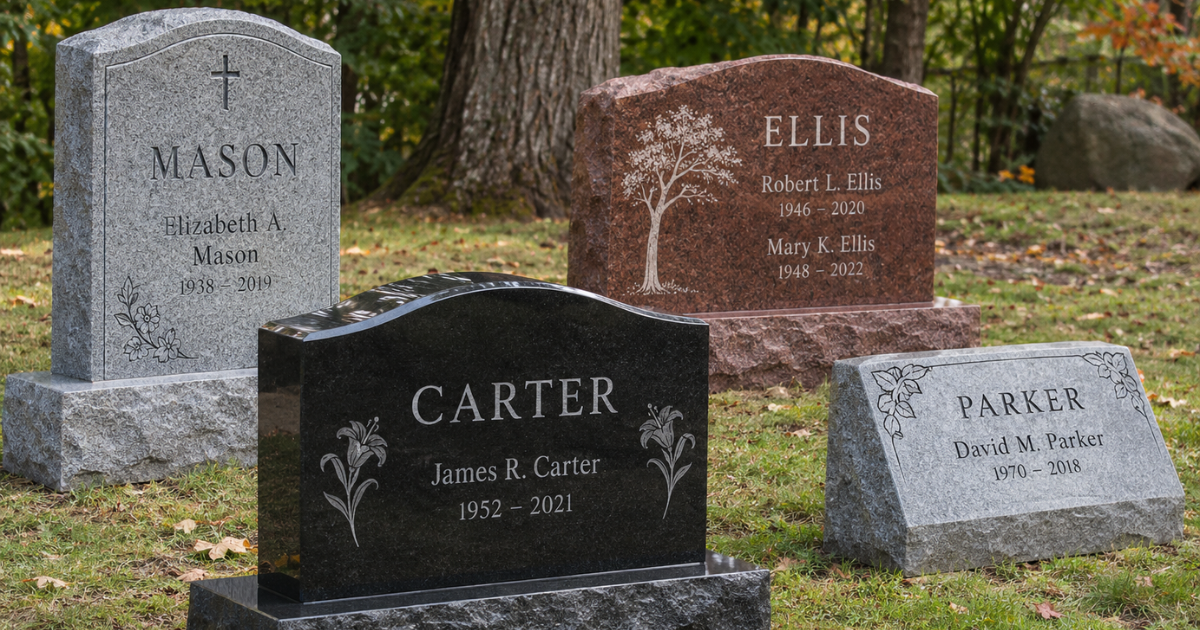
Simple, traditional designs often remain appropriate for generations. This doesn't mean every needs to look the same. Personal touches, unique shapes, and meaningful engravings can still be incorporated into a design that feels timeless.
When considering different options, ask yourself whether the design reflects your loved one's personality and whether it will continue to feel meaningful to family members in the years ahead.
It's also helpful to think about the overall balance of the monument. The relationship between the stone's shape, size, lettering, and decorative elements can make a significant difference in its finished appearance.
A design that looks appealing in a small illustration may feel different when viewed at its actual size. Reviewing proportions and discussing available options can help families better understand how the finished monument will look.
The goal isn't necessarily to create the most elaborate memorial. It's to choose something that feels appropriate for the person being honored.
Consider How the Lettering Will Age
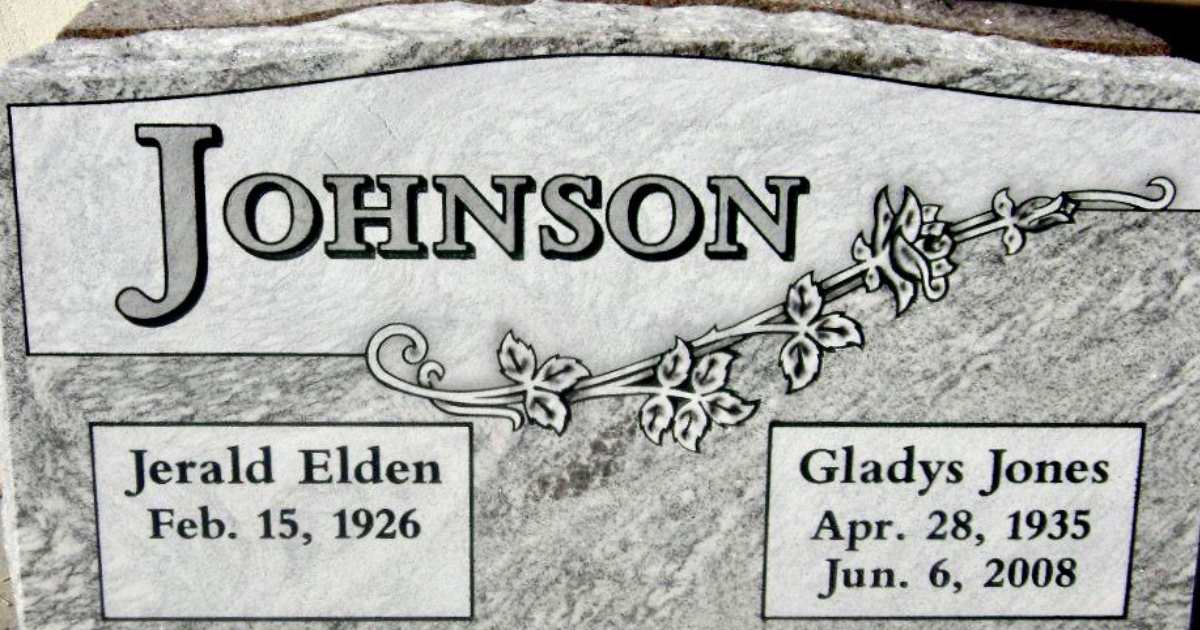
A 's is one of its most important features. Names, dates, and personal messages help preserve a loved one's identity and provide future generations with a connection to their family history.
When selecting lettering, consider more than how it looks on a design proof.
Letter size, spacing, depth, and contrast against the can all influence readability. Some decorative lettering styles may look attractive up close but become more difficult to read from a distance.
The color also makes a difference. Depending on the stone and method, certain lettering treatments may provide better contrast than others.
For example, an on dark may have a different appearance than the same lettering on a lighter stone. The type of finish and technique can also affect how clearly the design stands out.
Families may also want to consider how much information they plan to include. A longer can be meaningful, but fitting too much text into a limited space may require smaller lettering.
Prioritizing the most important words and details can help create a cleaner, more readable design.
It's worth taking time to review these details before finalizing a memorial. A well-planned can help keep the information clear and meaningful for years to come.
Plan for Future Inscriptions
For companion headstones or family memorials, planning ahead can prevent challenges later.
Some monuments are designed to include the names and information of more than one person. In these situations, it's important to think about how additional inscriptions will fit into the overall design.
Consider whether there is enough room for future names, dates, or meaningful details without making the memorial appear crowded.
Lettering styles, spacing, and decorative elements should also be planned with potential additions in mind.
For example, a companion memorial may initially include one person's complete information and another person's name and birth date. The design should allow the remaining information to be added later without disrupting the original layout.
It's also helpful to consider whether the same style and finish can be reasonably matched when additional information is needed.
Even when future inscriptions aren't needed immediately, discussing these possibilities during the initial design process can help create a more balanced memorial.
Choose Personal Details That Tell a Story
One of the most meaningful aspects of designing a is the opportunity to reflect the person being remembered.
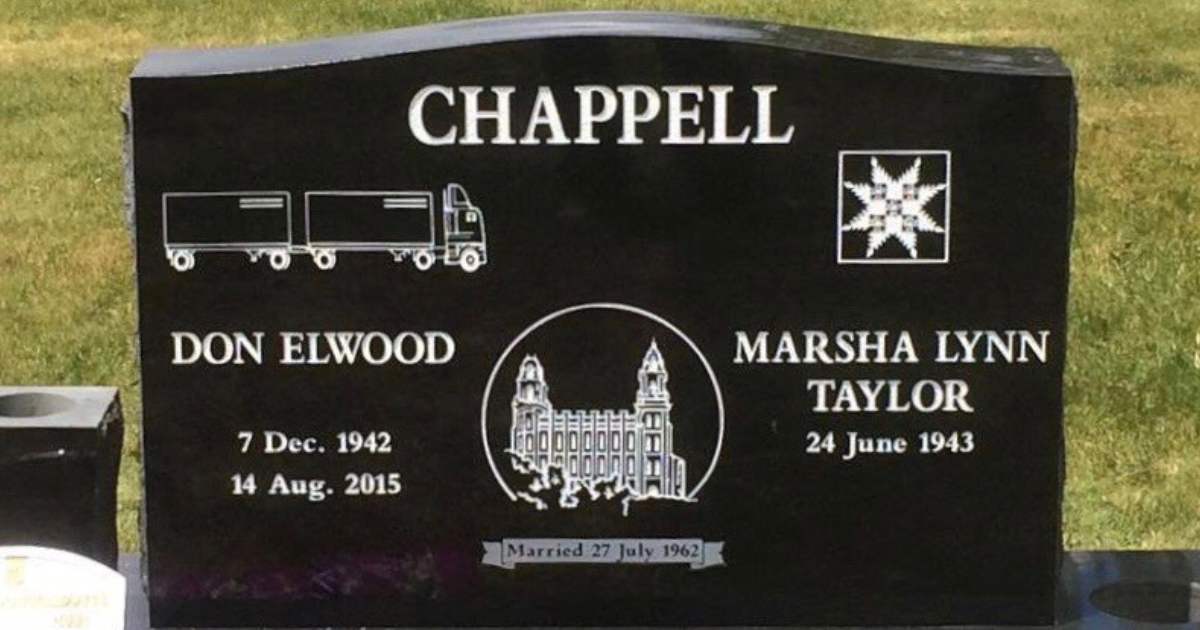
A memorial can include much more than a name and dates. Depending on the design, families may choose to incorporate:
- A favorite flower, landscape, or nature scene
- Religious symbols or meaningful scripture
- Images representing hobbies, interests, or accomplishments
- A short phrase or personal message
- Designs that reflect family relationships or shared traditions
These details can help tell a story about the person's life.
For someone who loved spending time outdoors, a mountain scene or nature-inspired may be especially meaningful. Another family might choose a simple floral design that reminds them of a loved one's garden.
Others may prefer a traditional memorial with minimal decoration, allowing the name and to remain the primary focus.
There isn't one correct approach to personalization. What matters is selecting details that genuinely reflect the individual.
However, it's important to consider how everything works together. Adding too many elements can make a memorial feel crowded or distract from the most important information.
Sometimes, one carefully chosen detail can communicate more than several decorative features.
Consider Long-Term Maintenance
Headstones are exposed to changing weather conditions throughout the year. In Central Utah, that can include hot summer temperatures, freezing winter weather, snow, wind, and seasonal moisture.
is commonly selected for memorials because of its durability, but the surrounding environment can still influence how a looks over time.
Dust, mineral deposits, biological growth, and other environmental factors may gradually affect the stone's appearance.
Different finishes, shapes, and decorative features can also influence how easily a monument can be cleaned.
For example, detailed carvings and recessed areas may collect more dirt or debris than simpler, polished surfaces.
The location of the memorial within the cemetery may also affect maintenance needs. Nearby trees, irrigation systems, landscaping materials, and surrounding ground conditions can influence how much moisture or debris reaches the stone.
It's important to use appropriate cleaning methods when caring for . Harsh chemicals, abrasive tools, and high-pressure washing can damage certain finishes or engraved details.
Families should also consider cemetery maintenance practices and any regulations that may affect the placement of decorations or surrounding materials.
Choosing a memorial with long-term care in mind can make future upkeep more manageable.
Choose the Right Size and Follow Cemetery Requirements
The size of a affects more than its overall appearance. It also determines how much space is available for inscriptions, decorative elements, and future additions.
A smaller monument may be appropriate for a simple memorial with a name, dates, and a modest design. Larger monuments can provide additional room for family names, longer inscriptions, or more detailed artwork.
However, bigger isn't always better.
A well-proportioned memorial can feel meaningful regardless of its dimensions. The best choice depends on the family's preferences, the amount of information being included, and the cemetery's requirements.
Different cemeteries may have specific rules regarding monument height, width, foundation requirements, and permitted styles.
Some sections may allow upright monuments, while others require flat or lawn-level markers.
Understanding these requirements early in the planning process can help families avoid selecting a design that cannot be installed in the intended location.
It's also worth considering how the monument will appear within its surroundings. The orientation of the , neighboring memorials, and available space can all influence the final design.
Remember That the Memorial May Be Important for Future Generations
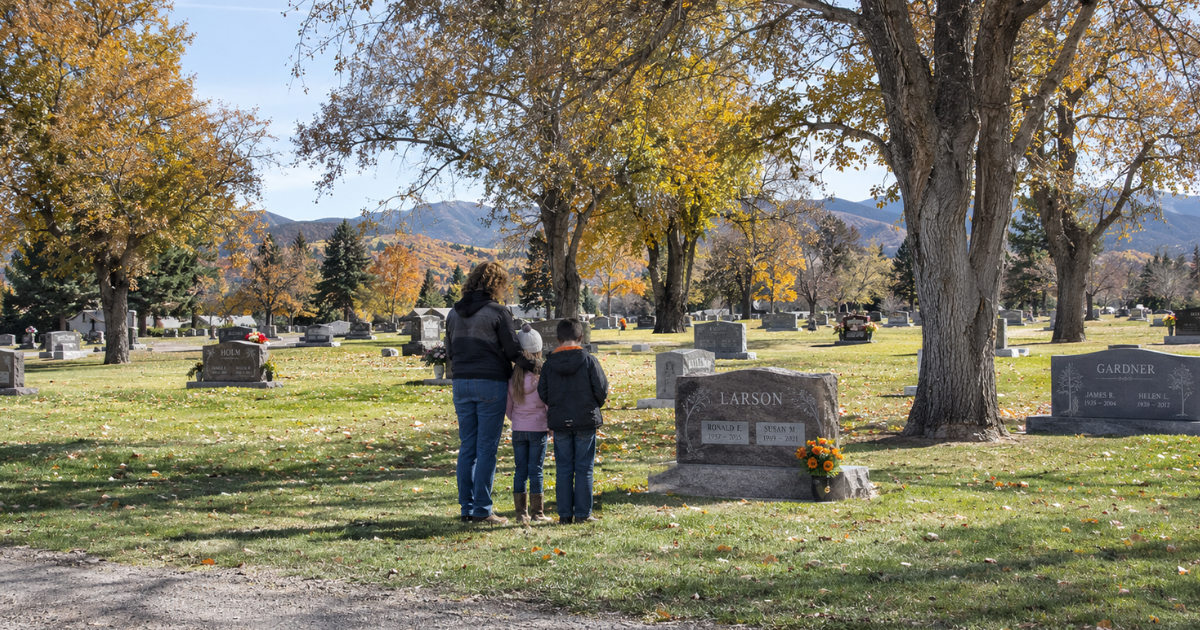
A is often selected by immediate family members, but its significance can extend far beyond the people involved in the original design process.
Children, grandchildren, and future descendants may visit the memorial decades later.
For some, it may become an important connection to a family member they never had the opportunity to meet.
A clearly engraved name, meaningful , or personalized design can help preserve part of that person's story.
Headstones can also become valuable pieces of family history. Names, dates, relationships, and other engraved information may help future generations understand their family connections.
Even a simple can carry meaning long after the people who originally selected it are gone.
This is one reason thoughtful memorial planning matters. The serves not only as a tribute today but also as a lasting record for the future.
Balance Appearance With Practical Considerations
It's natural to have a particular design in mind when beginning the memorial selection process. Families may be drawn to a specific color, monument shape, or style.
However, practical considerations are just as important as appearance.
Budget, cemetery regulations, installation requirements, and available options can all influence the final decision.
A more detailed design may involve additional work, while certain monument sizes or shapes may require different installation considerations.
Rather than focusing on one feature alone, it can be helpful to compare the complete design and understand what is included.
Families should feel comfortable asking questions about materials, finishes, lettering, and installation before making a commitment.
A memorial doesn't need to be expensive or elaborate to be meaningful. Thoughtful choices can create a beautiful tribute while respecting the family's needs and budget.
Take Time to Review the Design
Selecting a can feel overwhelming, especially when families are making decisions during an emotional time.
There may be questions about colors, monument sizes, options, cemetery requirements, and overall costs.
It's okay to take time to compare different possibilities and ask questions before making a final decision.
Reviewing the design carefully can help families feel more confident about their choices. Pay attention to the spelling of names, accuracy of dates, placement of decorative details, and overall proportions.
If multiple family members are involved in the decision, sharing the proposed design before approving it can also be helpful.
This gives everyone an opportunity to review important details and discuss any concerns before the process begins.
It's also important to confirm cemetery requirements before finalizing the monument.
A thoughtful design process can help ensure the finished memorial reflects the family's wishes.
Create a Memorial With Lasting Meaning
A meaningful doesn't have to be complicated or elaborate. What matters most is that it honors the person being remembered and provides a lasting place for family and friends to reflect.
By considering readability, personalization, maintenance, monument size, and future needs, families can make informed decisions about a memorial that will remain meaningful for generations.
Taking time to think about these details can also help prevent common design concerns, such as overcrowded inscriptions, limited space for future additions, or decorative features that don't complement the overall monument.
Richfield Monuments helps families throughout Richfield and Central Utah explore options, personalized engravings, and memorial designs.
Whether you're planning a new or considering options for a family memorial, our team is here to help you understand the available choices.
Contact Richfield Monuments to learn more about creating a personalized memorial for your loved one.